Home / Chemistry / The Range
Ultrasonic cleaning chemicals · Australia

Ultrasonic cleaning chemicals,
matched to the soil and the substrate.

Thirty-six working chemistries supplied across Australia — degreasers, descalers, passivation, specialty formulations and the Brulin engineered range. Every one carries its material cautions up front, so you read them here rather than discover them in the tank.

Read how chemistry and machine are specified together, or search the range below.

Alkaline Acidic Neutral Specialty Protective Brulin Engineered

Neutral & Spray-Wash Chemistry

Near-neutral chemistry for machines that spray, flood and run stages back to back — UltraWash sealed chambers and UltraKleen Pro lines. Where the parts are mixed metals, the cycle is automated, and a high-alkaline bath would attack the substrate or carry over into the next stage.

Why neutral matters here — read
A spray or flood machine puts chemistry onto the part under pressure and then moves it straight to rinse. Aggressive pH has less dwell time to work and more chance to carry over, and mixed-metal loads — aluminium, magnesium, copper alloys, painted or anodised surfaces — are exactly what high-alkaline baths etch or discolour. Near-neutral chemistry trades brute pH for surfactancy and mechanical energy, which is what these machines supply. Foam behaviour must be verified per product before use in a spray or high-flow circuit — a detergent that performs well in an immersion tank can foam a spray system out of service.
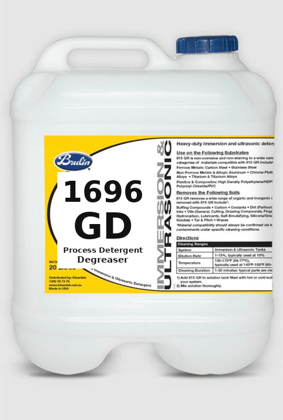
Ultrasonic approvedpH 7.9Brulin AquaVantage 1696 GDNear-neutral aqueous detergent for sensitive substrates and mixed-metal assemblies.Details →
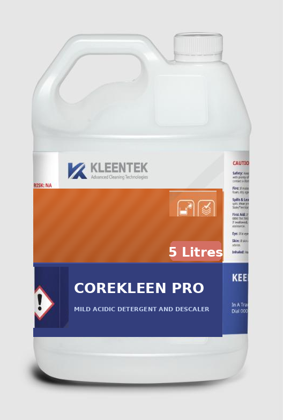
Ultrasonic approvedpH 6.0CoreKleen ProMilder-pH CoreKleen formulation where substrate sensitivity rules out strong acid.Details →
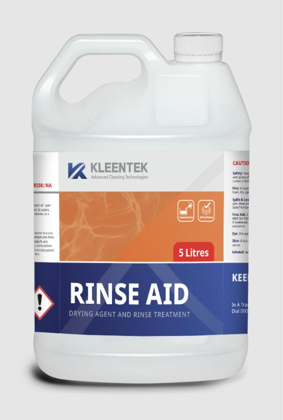
Ultrasonic approvedRinse AidSheeting rinse additive — spot-free drying and cleaner surface finish.View & buy →

Degreasing & General Cleaning

Oils, greases and general soils — from workshop washdown to aerospace-approved precision degreasing.
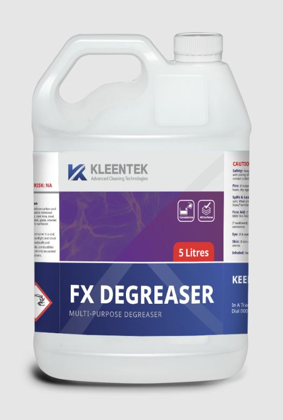
Ultrasonic approvedpH 12.5FX DegreaserMulti-purpose cleaner and degreaser for light to medium cleaning — the general workshop woView & buy →
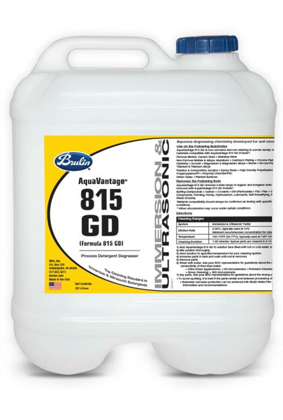
Ultrasonic approvedBrulin AquaVantage 815 GDGeneral-duty aerospace-grade aqueous detergent for immersion and ultrasonic cleaning — theView & buy →
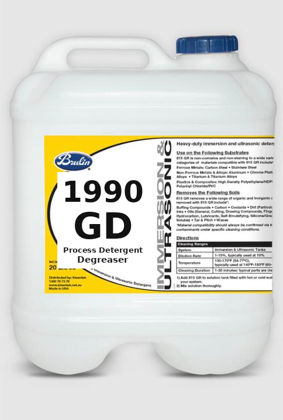
Ultrasonic approvedBrulin AquaVantage 1990 GDHigh-performance aqueous detergent for precision and aerospace cleaning duties.Details →
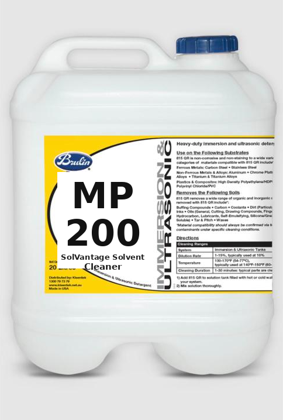
Brulin SolVantage MP 200Modern solvent cleaner for applications aqueous chemistry cannot serve.Details →
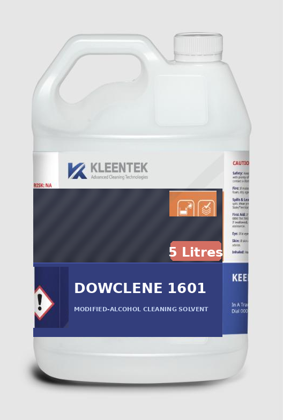
DOWCLENE 1601Modified-alcohol vapour degreasing solvent — for closed vapour-degreasing plant, not open Details →

Carbon & Paint Removal

The heavy end: coked carbon, stoved paint and cured coatings — including the two-stage carbon-then-ash process chain, and the aluminium-safe system for heads and pistons.
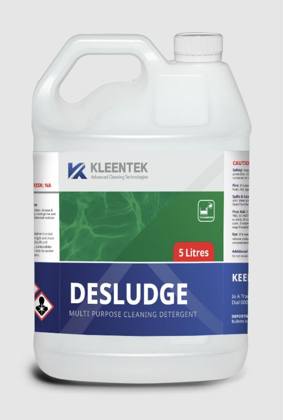
Ultrasonic approvedpH 13.0DesludgeUltrasonic degreasing and decarbonising — fuel residues, engine sludge and carbon from ferView & buy →
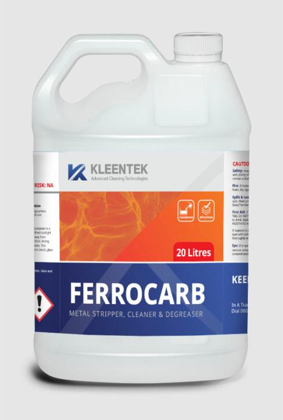
Ultrasonic approvedpH 12.7FerroCarbHeavy-duty removal of carbon, paint, rust and lead deposits from ferrous engine componentsView & buy →
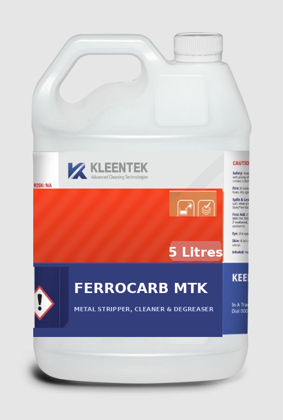
Ultrasonic approvedFerroCarb MTKFerroCarb formulation packaged for MetalTek-style combined process work.Details →
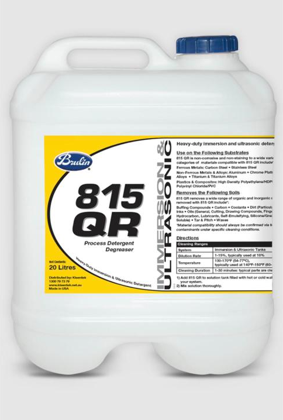
Ultrasonic approvedpH 12.4Brulin AquaVantage 815 QR-NFHeavy-duty APE/NPE-free immersion and ultrasonic detergent — greases, carbon and tenaciousView & buy →
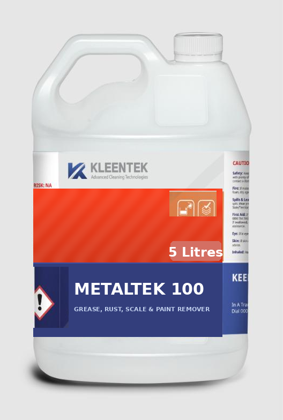
Ultrasonic approvedMetalTek 100Simultaneous removal of grease, rust, scale, carbon and paint from ferrous metals — one baDetails →
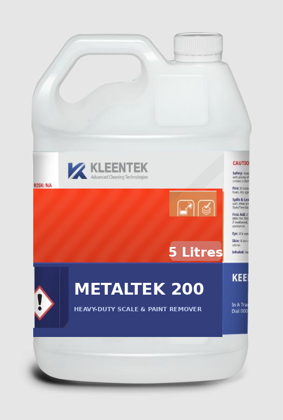
Ultrasonic approvedMetalTek 200Higher-duty MetalTek formulation for heavier scale and paint systems.Details →
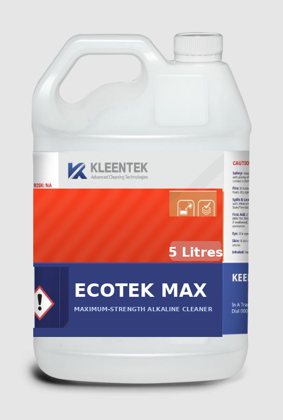
Ultrasonic approvedpH 14.0EcoTek MaxMaximum-strength alkaline cleaner for the heaviest industrial soils.Details →
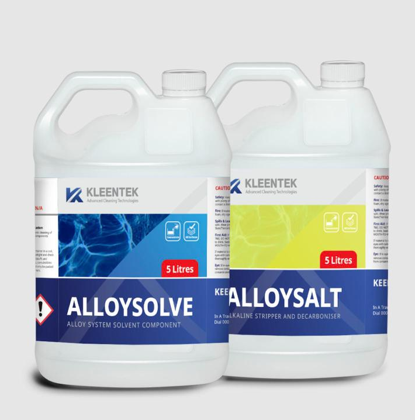
Ultrasonic approvedAlloysolveALLOYSolv — the solvent half of the Alloy System: benzyl-alcohol action that swells paint View & buy →
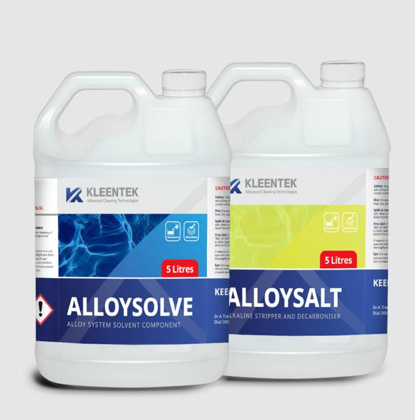
Ultrasonic approvedpH 12.5AlloySaltPaint stripper additive — boosts Alloysolve systems for cross-linked coatings.Details →
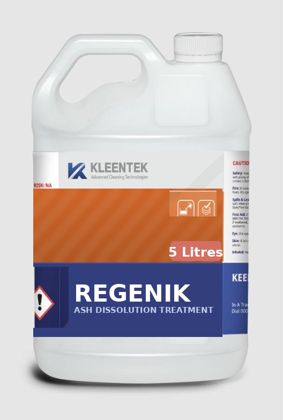
Ultrasonic approvedRegeniKAsh dissolution — removes the mineral ash left after carbon cleaning: calcium ash, zinc phDetails →

Descaling & Rust Removal

Acid-side chemistry for oxides, scale, rust and mineral deposits.
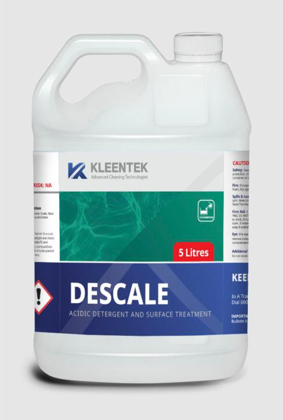
Ultrasonic approvedDescaleRemoves oxides, rust and heat scale in ultrasonic and immersion applications.View & buy →
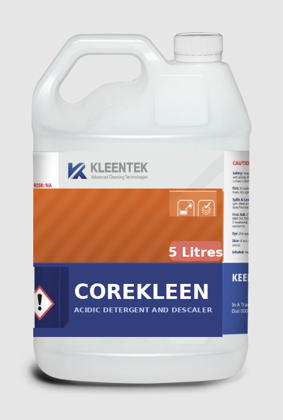
Ultrasonic approvedpH 1.0CoreKleenRemoves proteinaceous contamination and scale deposits — radiator and core cleaning grade.Details →
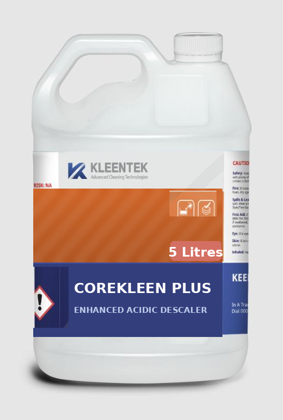
Ultrasonic approvedCoreKleen PlusEnhanced CoreKleen for heavier scale loading.Details →
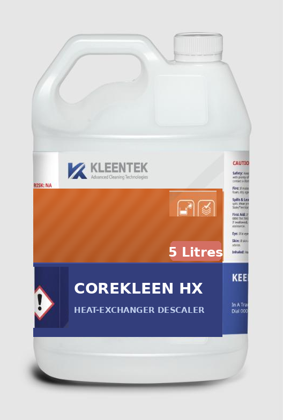
Ultrasonic approvedCoreKleen HXHeat-exchanger grade CoreKleen for bundle and plate-pack descaling.Details →
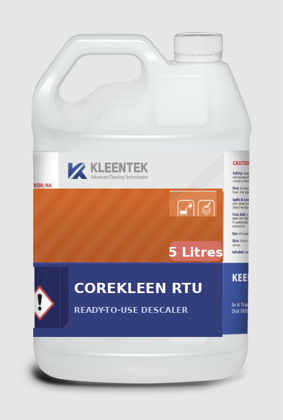
Ultrasonic approvedCoreKleen RTUReady-to-use CoreKleen — no dilution step, for service and field use.Details →
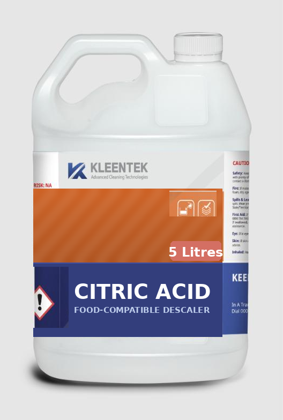
Ultrasonic approvedCitric AcidFood-compatible descaling and passivation-support acid.Details →
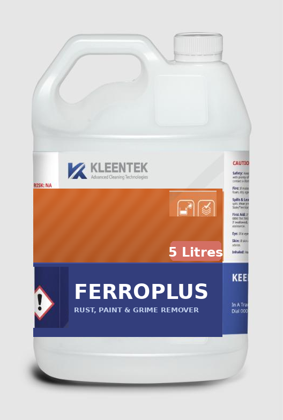
Ultrasonic approvedFerroPlus ActivatorRemoves rust, paint, grease and grime in ultrasonic cleaning — activator stage for ferrousDetails →

Oil Systems & Flushing

De-oiling and flushing coolers, cores, galleries and circuits before inspection or descale.
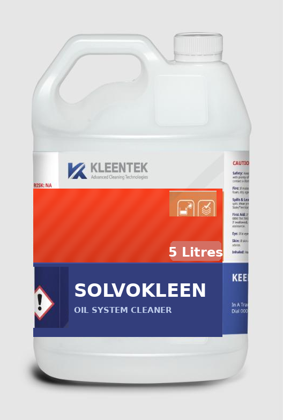
Ultrasonic approvedSolvoKleenBreaks down and releases oil build-up from oil coolers and heavily oil-fouled components.Details →
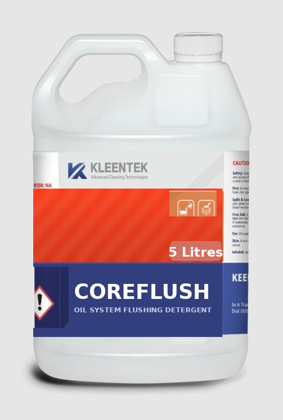
Ultrasonic approvedCoreFlushFlushing oil cooling systems after solvent cleaning — releases residual oils from cores anDetails →
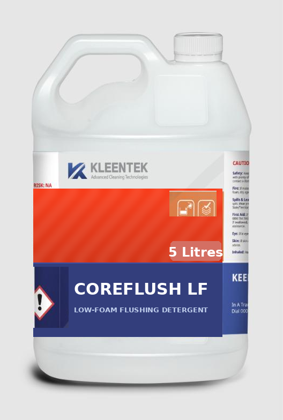
Ultrasonic approvedpH 14.0CoreFlush LFLow-foaming CoreFlush for circulating and ultrasonic use — flushing residues from industriDetails →

Specialty & Precision Applications

Application-specific chemistry — electronics, print hardware, and the low-residue controlled steps regulated industries document.
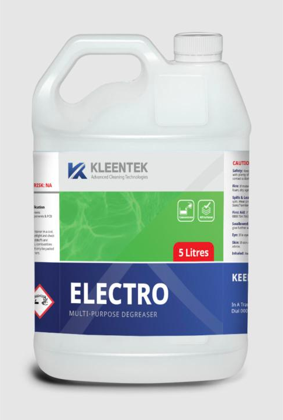
Ultrasonic approvedElectroWater-based, non-flammable PCB and electronics cleaner — removes rosin, no-clean and waterView & buy →
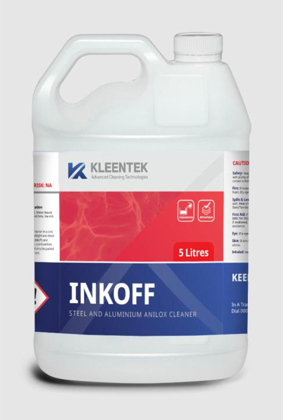
Ultrasonic approvedpH 12.5InkoffInk and paint removal in ultrasonic baths — anilox rolls, screens and press hardware.View & buy →
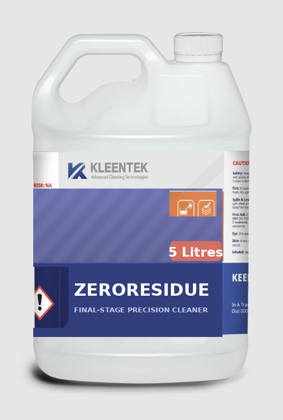
Ultrasonic approvedZeroResidueFinal-stage cleaner where zero residue is the specification.Details →
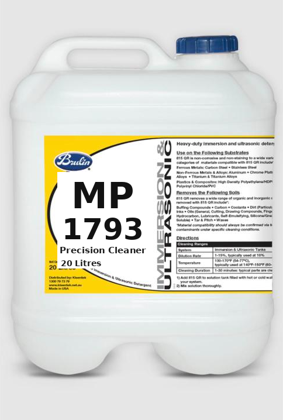
Brulin MP 1793Precision cleaner supplied in bulk and pre-saturated wipes — for controlled manual cleaninDetails →
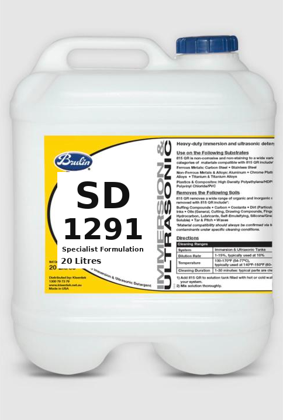
Brulin SD1291Specialist Brulin formulation — data sheet on file; specified per application.Details →

Protection & Finishing

After the clean: corrosion protection, passivation and rinse quality.
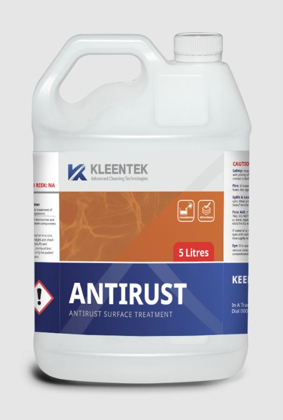
Ultrasonic approvedAnti-RustPost-cleaning rust prevention — short-term in-process protection for ferrous parts.View & buy →
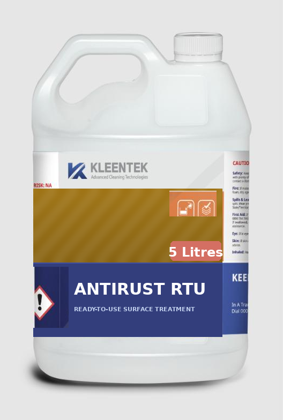
Anti-Rust RTUReady-to-use post-clean rust preventative for dip or spray application.Details →
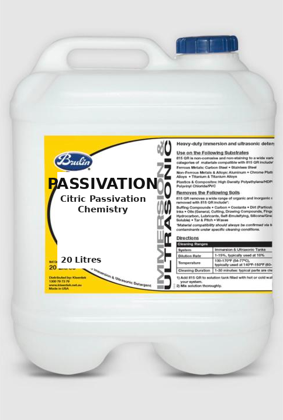
Ultrasonic approvedBrulin AquaVantage PassivationCitric-based passivation chemistry for stainless steel — corrosion resistance restored aftDetails →
Chemistry By Process

Start from the machine that runs it

Chemistry is blended for the machine that delivers it — foam behaviour, dwell time and rinse profile all follow the process. Select your washer type to see the chemistry designed for it.

Match the chemistry to the soil, material and cleaning process

Five reasons people call us for chemistry

Most people arrive here with a machine, a soil and a standard they have to satisfy. These are the five that come up most, and the product that answers each one.

1

“I run a spray-wash cabinet and my cleaner is eating the parts.”

Automated spray and cabinet washers — RoboWash, Apollo, TurboWash, HotWash, Warthog, AMDS spray cabinets and similar — put chemistry onto the part under pressure and move straight to rinse. A high-alkaline bath has less dwell time to work and more chance to etch aluminium, zinc or magnesium on the way past. Near-neutral chemistry trades pH for surfactancy and lets the machine supply the energy. The same argument applies to aircraft exterior washdown, where the substrate mix is the whole problem.

Brulin AquaVantage 1696 GD — pH 7.9 · Boeing BAC 5763 · Safran PR-1500 · AQMD Clean Air Solvent. foam behaviour in your specific machine before committing a bath.

2

“This part goes into an oxygen system. Hydrocarbon residue is an ignition source.”

Oxygen-service cleaning is the least forgiving specification in industry, and the market is far bigger than aerospace: hospital and medical oxygen delivery, oxygen cylinders and bottles, fire and rescue breathing apparatus, scuba and diving hardware, aviation oxygen systems, and critical-parts manufacturing. Work is typically governed by CGA G-4.1 (Cleaning Equipment for Oxygen Service) and ASTM G93, which sets cleanliness levels A–D against oxygen pressure and ignition risk — so the cleaning agent itself has to be qualified, not just the procedure.

Brulin AquaVantage 815 GD — used under NASA oxygen-service cleaning procedures at 7–12% dilution, 40+ OEM approvals, safe on virtually all metals including magnesium. Also 1696 GD, which carries ASTM G86 — mechanical-impact ignition sensitivity in liquid or gaseous oxygen.

3

“Baked carbon and heavy grease, but the paperwork still has to hold up.”

Heavy soils on parts that are still governed by a specification — carbon, baked oils, grease and shop soil on components going back into a certified assembly. You need the aggression without losing the approval trail.

Brulin AquaVantage 815 QR-NF — pH 12.4, heavy degreasing with the Brulin conformance set behind it.

4

“Nobody is auditing me. I just need parts clean and I am watching the cost.”

General workshop degreasing where no certification is required — trade workshops, jewellery, bicycle maintenance, small engine and general maintenance work. The economical all-rounder, bought by the drum.

FX Degreaser — the workshop workhorse. Material caution: high-alkaline — not for aluminium, zinc or magnesium components. If your load is mixed metals, start at reason 1 instead.

5

“It is a populated board. I cannot use anything aggressive or flammable.”

PCB cleaning in production, electronics manufacture, board-level repair and telecoms hardware — removing rosin, no-clean and water-soluble flux to recognised cleanliness standards without attacking components, legends or conformal coating. Water-based, non-flammable, works at ambient.

Electro — neutral, water-based PCB and electronics chemistry. See also the electronics application guide.

Still not sure? — read
The right chemistry depends on the contamination, part material and required cleaning standard. We assess each application and, where required, validate the process through controlled cleaning trials. Where required, we validate on the chemistry and the machine we would actually specify, and report the cycle and the result measured against your standard. Book a cleaning trial →
Chemical Selector

What are you cleaning?

Pick the contaminant or application — the selector recommends the product and takes you to it. The trial confirms it on your parts.

Know Your Solution Types

Seven chemistry families for different soils, materials and cleaning processes

Every product below belongs to one of these families. Match the family to the soil first, then check the substrate can take it.

Acidic (pH ≤ 5)

Lime, scale, rust, mineral deposits and post-carbon ash. Powerful on oxides — and equally willing to attack zinc, cadmium plate and unprotected tank surfaces, which is why acid work runs in protected or dedicated tanks.

Alkaline (pH ≥ 10)

The industrial workhorse for oils, greases, carbon and general soils on steels, cast iron, stainless, brass and copper. Inhibited versions extend safely to aluminium — uninhibited ones do not.

High caustic (pH ≈ 14)

When moderate alkaline chemistry stalls: heavy waxes, baked greases and the worst carbon on ferrous metals only. Full PPE, ferrous only, no exceptions.

Neutral (pH ≈ 6–8)

Pigments, dust, light oils and organic films on mixed and sensitive materials — where aggressive chemistry would cost more than it cleans.

Enzymatic

Protein-based contamination — food, medical and laboratory work. Enzymes break down protein soils at low temperature.

De-ionised water

Safe on essentially any material, and deceptively aggressive as a cavitation medium — the standard final-rinse for precision work.

Specialty

Formulated for one job done properly: inks off anilox, aluminium-safe stripping systems, electronics-safe cleaning.

Emulsifying vs demulsifying

Emulsifiers hold oil in suspension — the bath accumulates soil. Demulsifiers release oil to the surface where the weir removes it — the bath lasts far longer, which is why our machines are built around oil separation.

Never: flammable solvents in an open tank

Cavitation generates heat. Toluene, MEK, IPA and similar in an open ultrasonic tank are an ignition risk — never. Genuine solvent duties belong in purpose-built sealed plant.

Start Here

Three pages worth reading first

None of these are single-use chemicals. Every working bath in this range is defended by weir oil separation and filtration, verified by concentration checks, and topped up rather than tipped out — bath life is measured in weeks of work, not fills. Each product page carries its bath-life and storage guidance.
Check the material cautions first — compatibility matters as much as cleaning performance. A strongly alkaline carbon remover destroys an aluminium casting; a strong acid attacks zinc and plated surfaces. Every product below states what it must not touch — and the cleaning trial confirms compatibility on your actual parts before a drum is ever ordered. Read: like dissolves like →   Chemistry FAQ →
Proven In Application

Chemistry at work

Case study — piston ring-groove carbon

Brulin 815 QR-NF at 70 °C, 25 kHz, staged cycles — heavy diesel carbon out of ring grooves without touching a dimension.

Read the study →

The machines it runs in

Every chemistry here is specified alongside a machine — weir oil separation and filtration protect the bath the chemistry works in.

Explore the range →

From the blog: like dissolves like

Why oils need alkaline chemistry, scale needs acid, and most parts need both.

Read the article →

Where it applies

From aerospace MRO to mining rebuild shops — each product card links to the industries it serves.

All 25 industries →
Range FAQ

Choosing from the range

Which product do I need?
Start with the soil: carbon and grease → alkaline degreasers; rust and scale → acid-side descalers; inks, PCBs and strippers → specialty; regulated aerospace work → the Brulin range. Then check the material caution on the card — the substrate can veto the first choice. The trial settles both on your actual parts.
Why do some products say “ferrous only”?
Uninhibited high-pH chemistry attacks aluminium, zinc and magnesium — etching, blackening and dimensional loss. That is not a defect; it is what strong alkalis do. Aluminium work takes inhibited formulations (the Brulin range) or milder-pH products, confirmed by trial.
Can I get the SDS before buying?
Yes — every product ships with its Safety Data Sheet, and SDS documents are available on request ahead of purchase for your chemical register and risk assessments.
What dilution do I run?
Product-specific — typically 5–30% for concentrates, and the trial establishes the working figure. Running richer than specified wastes chemical and usually signals the wrong product for the soil.
Can two products be combined?
Never mix chemistries in a tank unless the product system is designed for it (Alloysolve + AlloySalt is a designed system; nothing else here is). Sequential baths — clean, rinse, descale, rinse, protect — are how multi-soil jobs are run.
Emulsifying or demulsifying — which formulation do I want?
For oily work in a machine with a weir, demulsifying: the chemistry releases oil to the surface, the interceptor removes it, and the bath lasts far longer. Emulsifying formulations hold soil in suspension — consistent early results, but the bath loads progressively and parts need more rinsing.
When should the solution be changed?
When cleaning time stretches, results fade, or the fluid carries visible debris filtration is no longer holding. Drain, clean the tank — never lay fresh solution over a settled sludge blanket — and refill.
Why does the same soil need different chemistry on different parts?
Like dissolves like: non-polar contamination — oils, greases — needs surfactant and alkaline chemistry; polar contamination — salts, scale, oxides — responds to acid-side chemistry. Most real components carry both, which is why staged processes exist.
Can I make up my own solution or use household chemicals?
Not in an industrial tank. Unknown foam behaviour wastes the ultrasonic energy, unknown corrosivity risks tank and parts, and undocumented chemistry cannot pass an audit or a warranty claim.
How do I dispose of spent solution?
Per the SDS and your local trade-waste requirements. Oil separation and filtration extend bath life substantially, which is the cheapest disposal strategy — less volume, less often.

Right chemistry, proven first

Trials run on components carrying the real soil. The trial pairs product, concentration and temperature against the parts — and confirms material compatibility before production ever runs.

Talk to an engineer How We Specify Chemistry
Setting the bath temperature? Chemistry gives you a working window; the substrate gives you a ceiling, and it is usually lower. Bath temperature — chemistry vs substrate →
Which chemical is safe on which metal? — full compatibility matrix →  ·  Dosage calculator →

>