Passivation to the standards auditors quote
Stainless steel is only stainless while its chromium-oxide layer is intact — and fabrication, welding and aggressive cleaning all compromise it. Passivation restores it, and in regulated industries the method must conform to named standards or it did not happen.
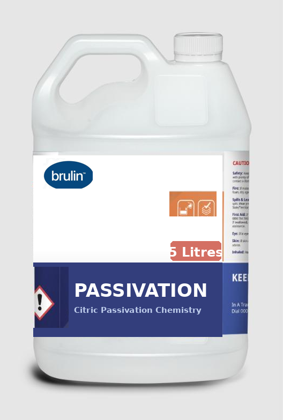
AquaVantage Passivation is citric-based chemistry conforming to AMS 2700 and ASTM A967 (with A380 practice): the modern, safer alternative to nitric passivation, gentle enough for pharma and food plant, documented enough for aerospace.
Run it after fabrication or repair, verify per the standard's test methods, and the certificate your customer asks for writes itself.
Where it earns its keep
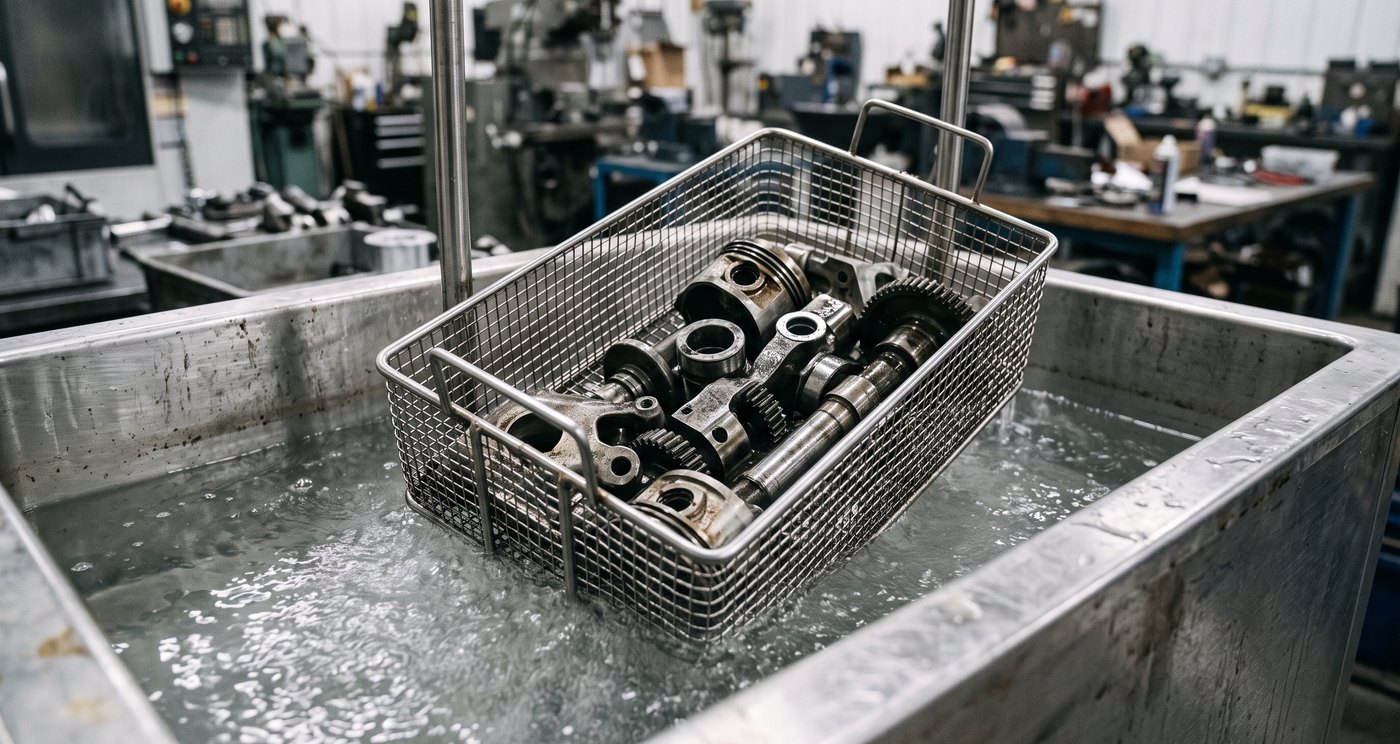
Stainless passivation after fabrication, welding or cleaning — pharma, food, aerospace.
Dose: 5–20%. The trial sets your exact process values; the TDS governs.
The working process
Right product, right job
Passivation — restore the layer
AMS 2700 / ASTM A967 stainless treatment.
Brulin AquaVantage 815 GD
The cleaning stage before passivation
View →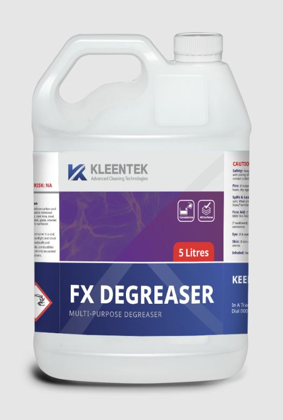 FX DegreaserThe clean before the protectionView & buy →
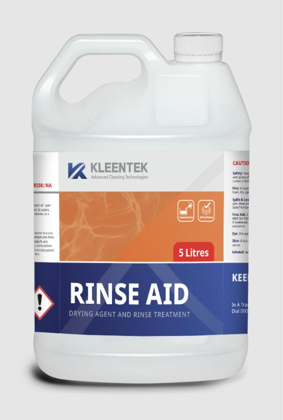 Rinse AidSpot-free final rinseView & buy →
| Mild & carbon steel | Not for carbon steel — passivation acid will attack |
| Stainless steel | Safe in prescribed use |
| Cast iron | Do not use |
| Aluminium & titanium | Test first |
| Magnesium & soft alloys | Test first |
| Zinc & galvanised | Test first |
| Copper & brass | Test first |
| Plated finishes (Cd·Cr·Ni) | Confirm plating type first |
| Plastics & rubbers | Safe in prescribed use |
| Painted / coated surfaces | Safe on cured coatings |
| Transport | Not classified as Dangerous Goods for road and rail |