Mining equipment carries the worst contamination in industry — baked carbon, sulphidic mud, grease packed into every cavity — on components too heavy to hand-clean and too expensive to replace early. Rebuild schedules do not wait for a soak tank.
Misonics systems clean the heaviest mobile-plant and fixed-plant components in tanks up to 42,000 litres, with lifting platforms rated for real assemblies and chemistry matched to hydrocarbon and mineral soils. Proven first in our trial laboratory, supported over-the-air on remote sites.
Coked onto engine components, exhaust hardware and cooling circuits through long duty cycles.
Mineral mud & fines
Sulphidic and abrasive fines packed into radiators, conveyor rollers and undercarriage cavities.
Grease & hydrocarbon films
Heavy greases in bearing housings, final drives and hydraulic assemblies — resistant to pressure washing.
Scale & corrosion products
On cooling circuits and water-side components, cutting thermal performance.
Hydraulic varnish
Oxidised fluid films inside valve blocks and cylinders where abrasives cannot go.
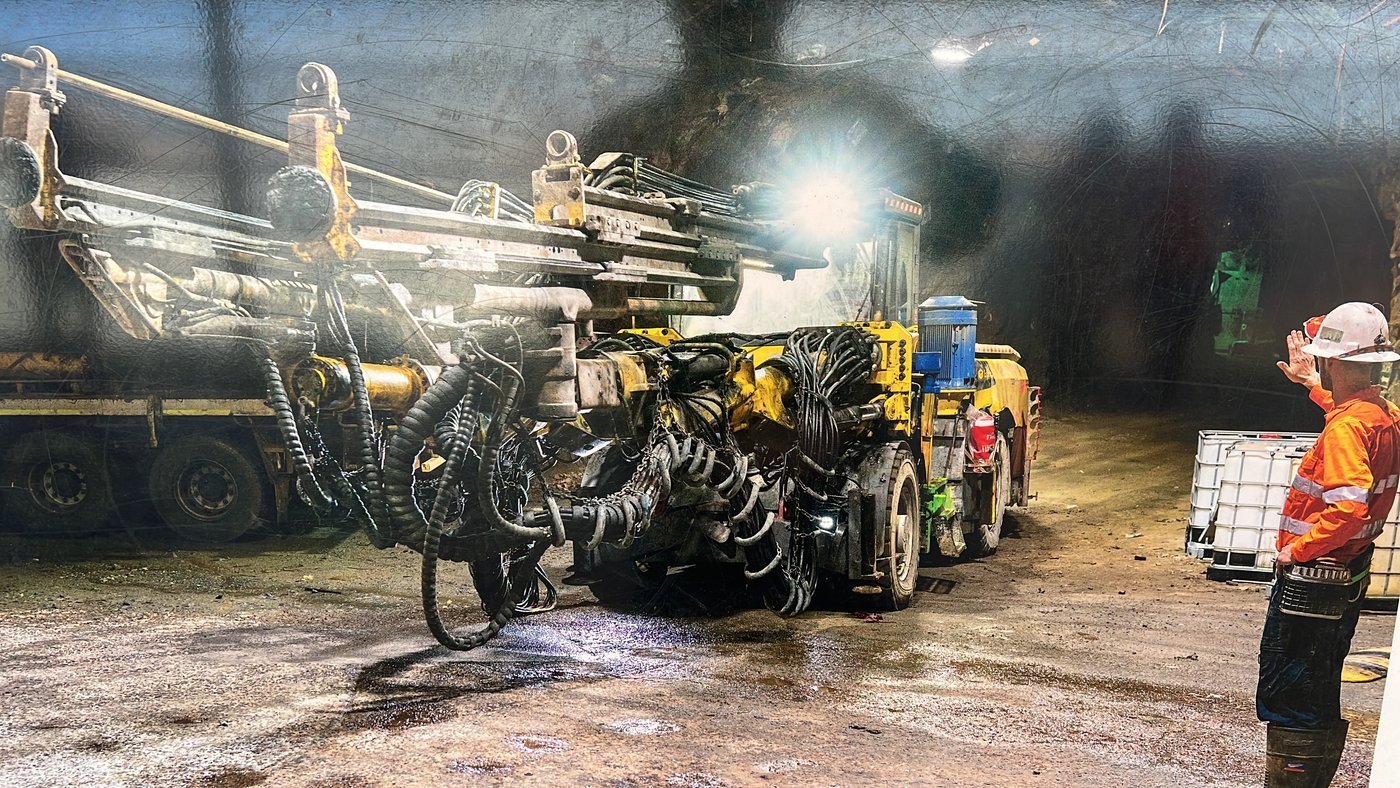
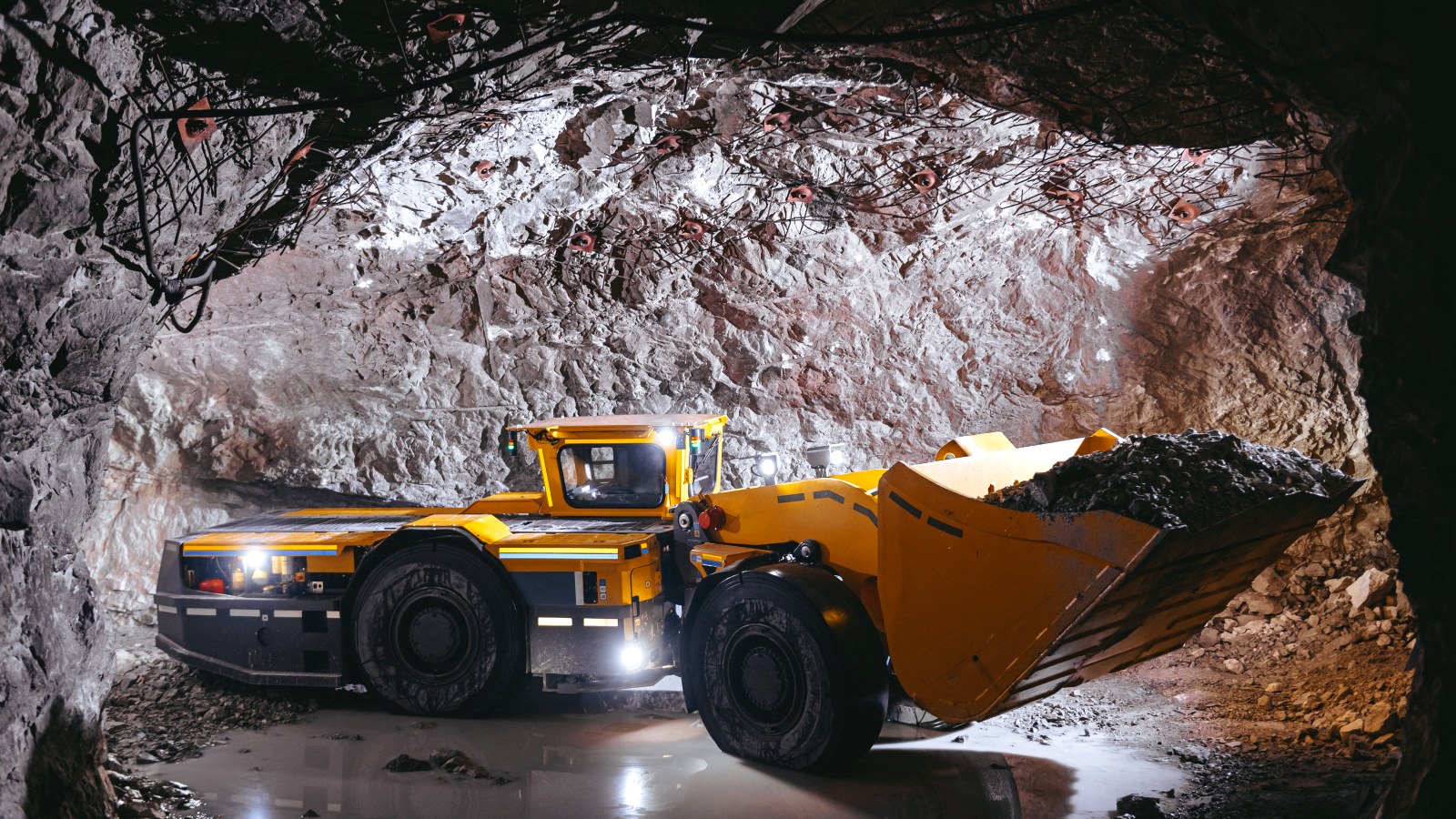
Underground, contamination is the operating environment — rock dust, grease and hydraulic oil work into every component this machine carries, and every one of them comes off in overhaul. — click to enlarge
The endpoint is a defined, repeatable process condition — cycle time, chemistry, concentration, frequency and temperature are recorded parameters, not operator judgement.
Trial Evidence
Before and after, from our own trials
Every one of these is a component a customer sent us, photographed as it arrived and again after a documented cycle.
As receivedAfter cycle
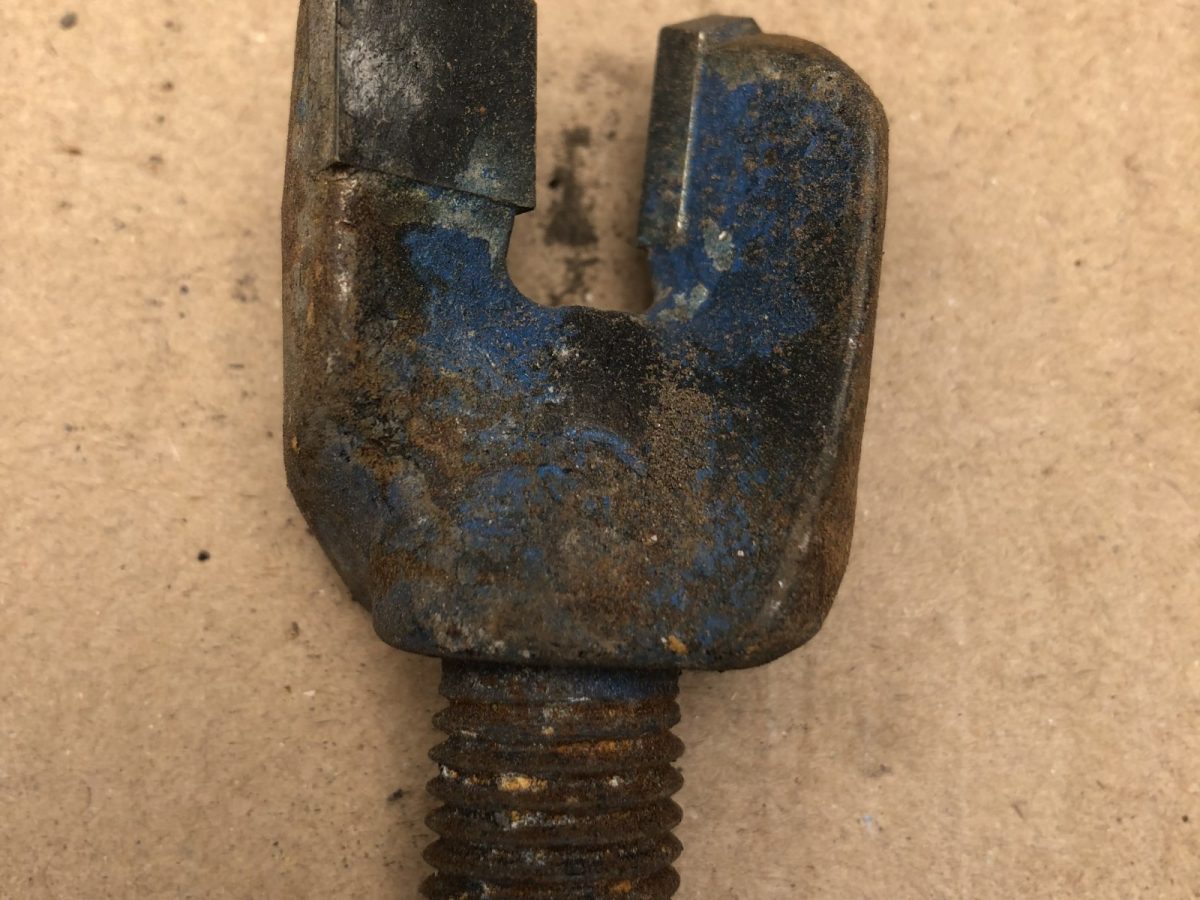
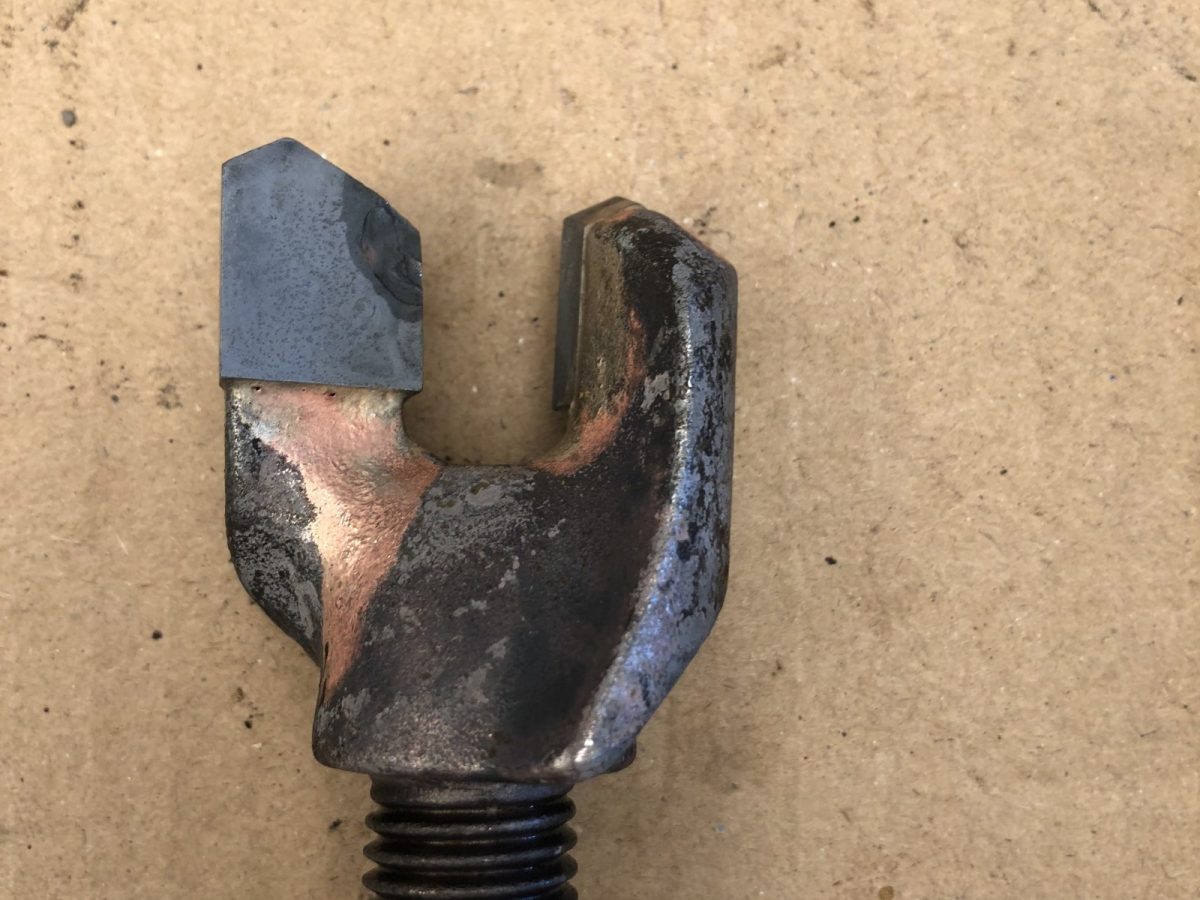
Drill pick holder, as recovered. Rock dust, grease and corrosion baked into the shank and the wear collar. Same holder after the cycle — the tool-steel face and the weld detail readable again.
As receivedAfter cycle
Pick holder bore. The bore is where a pick seizes. Scale and packed fines on the left; the bore back to its own diameter on the right, with no mechanical reaming.
As receivedAfter cycle
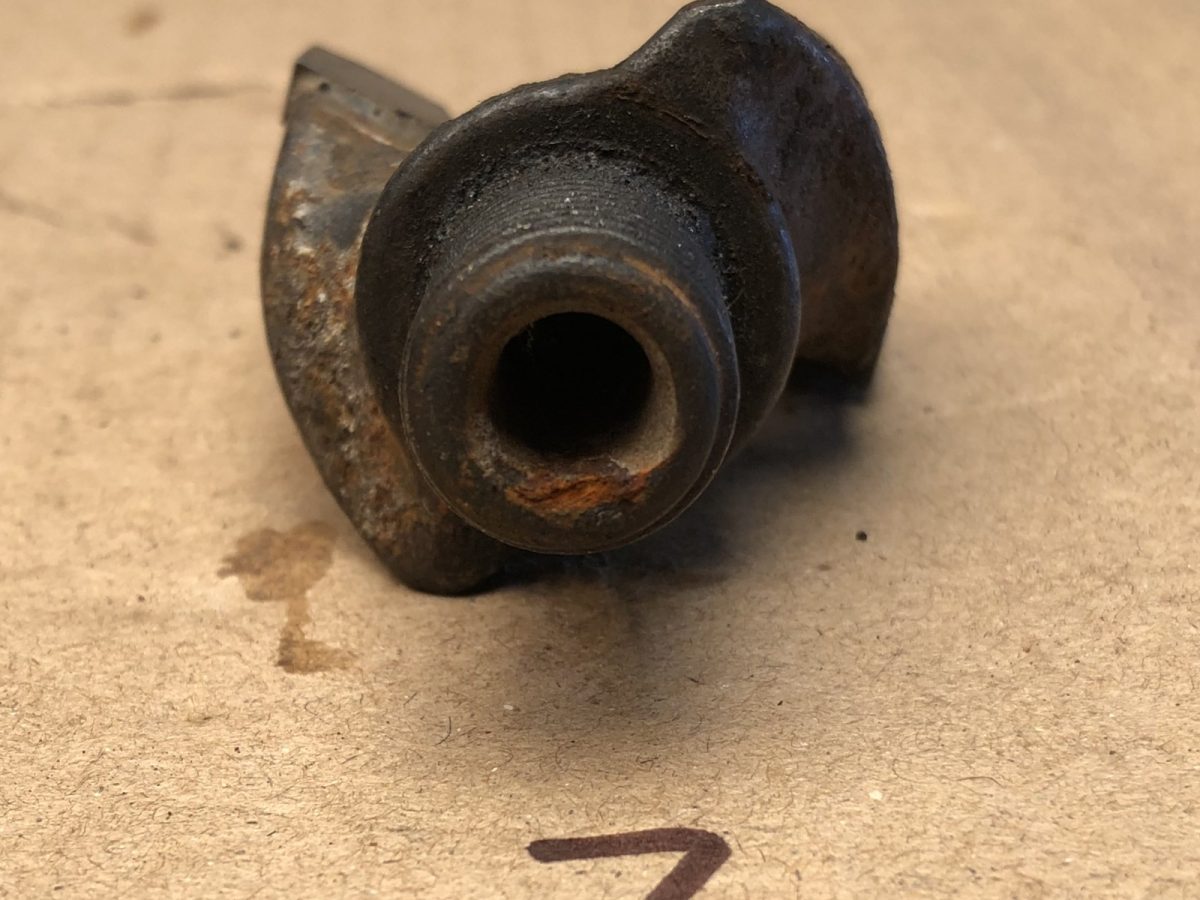
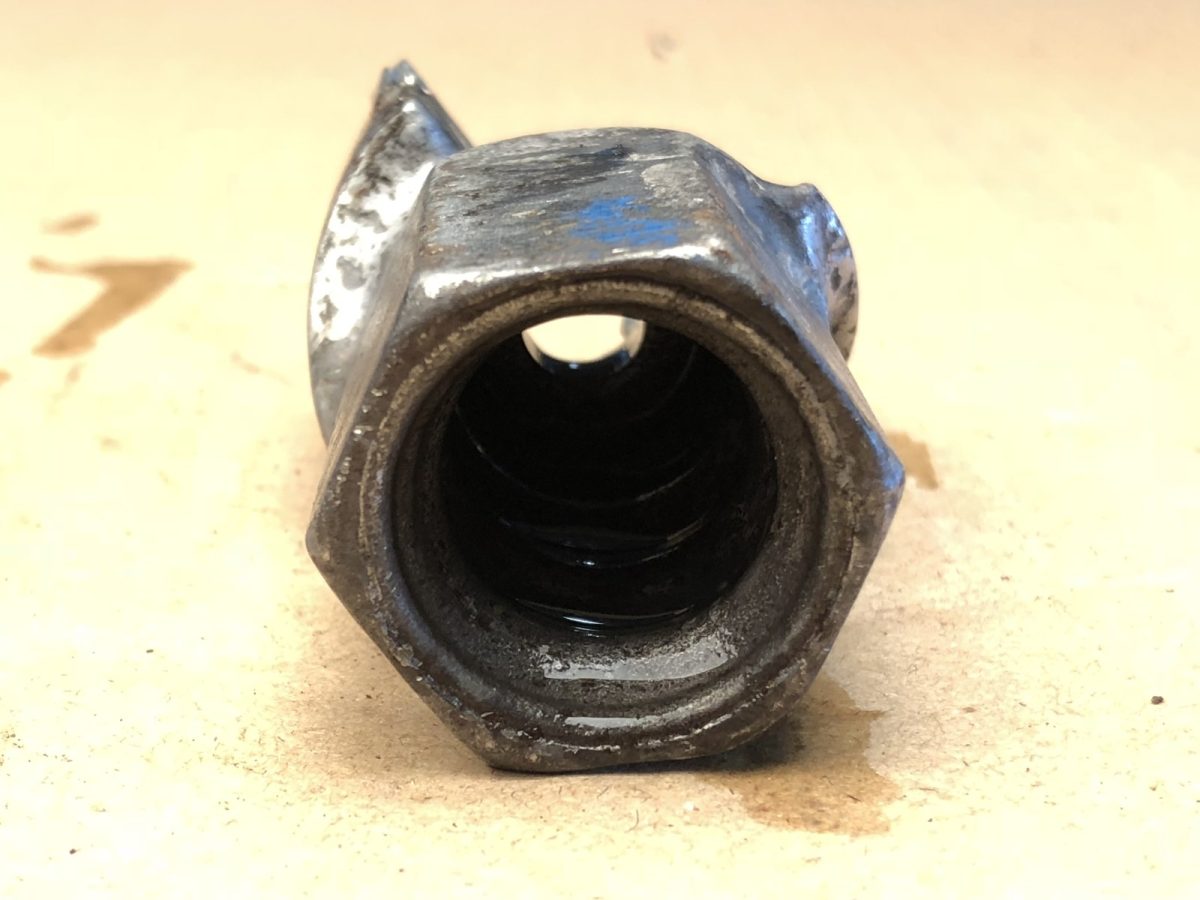
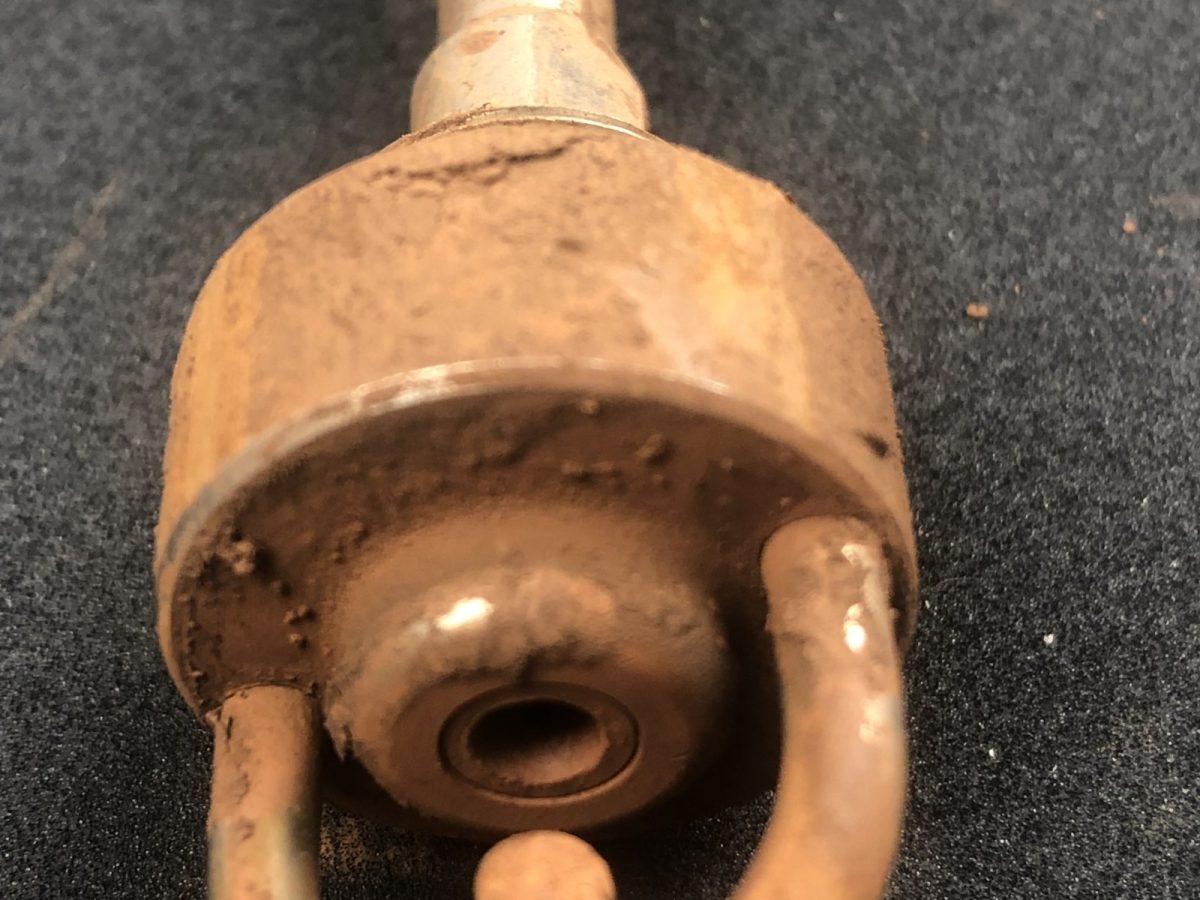
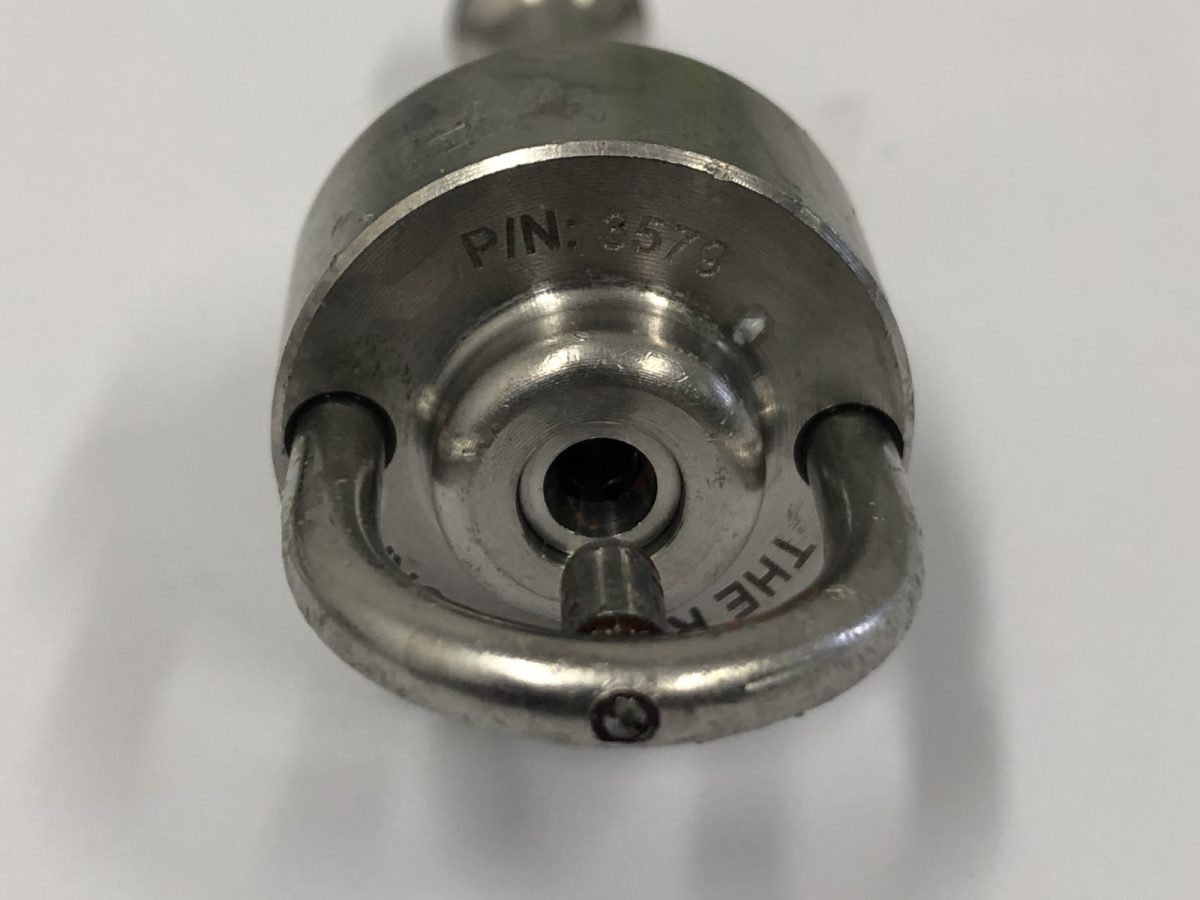
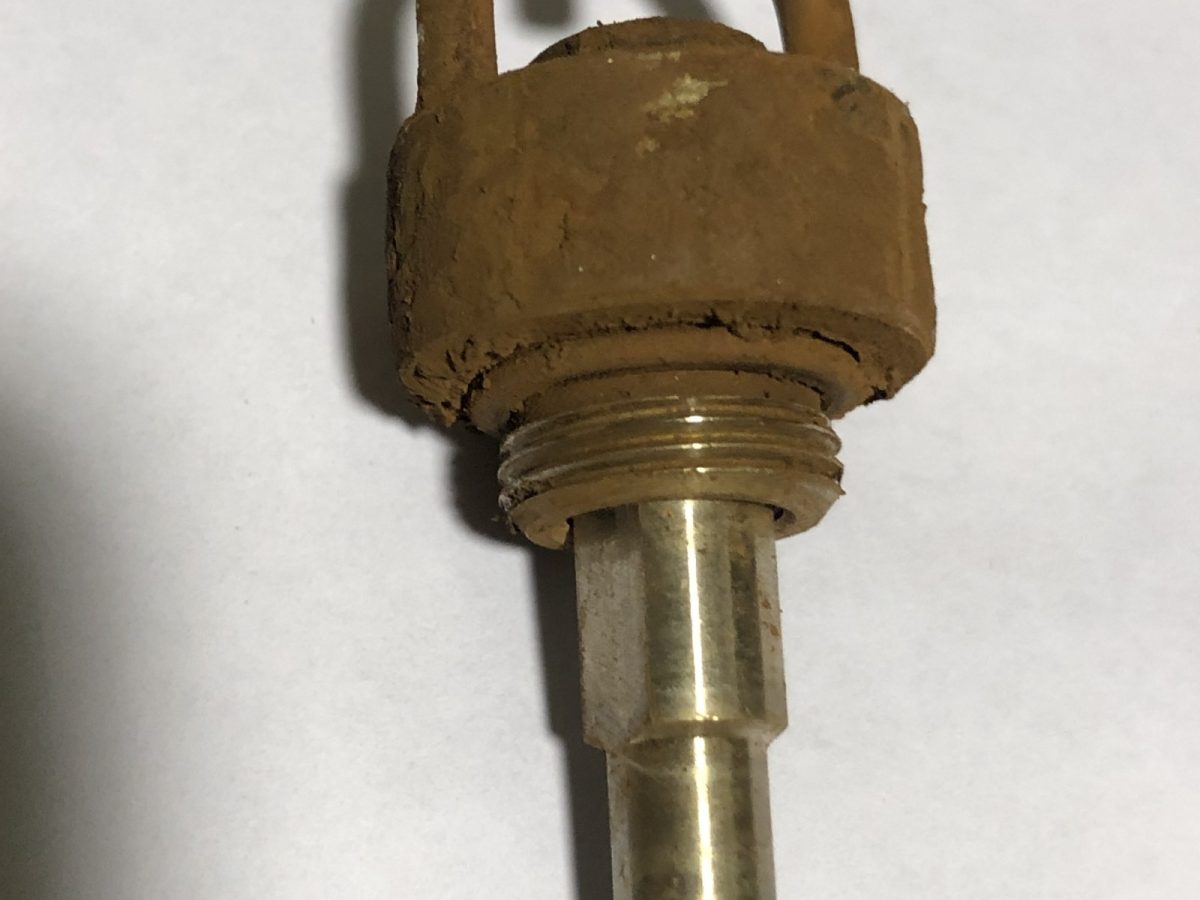
Dust suppression nozzle. Mineral scale sheathing the body and choking the orifice — the reason spray patterns collapse and dust gets away. Nothing abrasive touched this part.
As receivedAfter cycle
Nozzle head and orifice. The orifice is the whole component. Scale that no brush reaches, out of the swirl chamber and off the seat.
As receivedAfter cycle
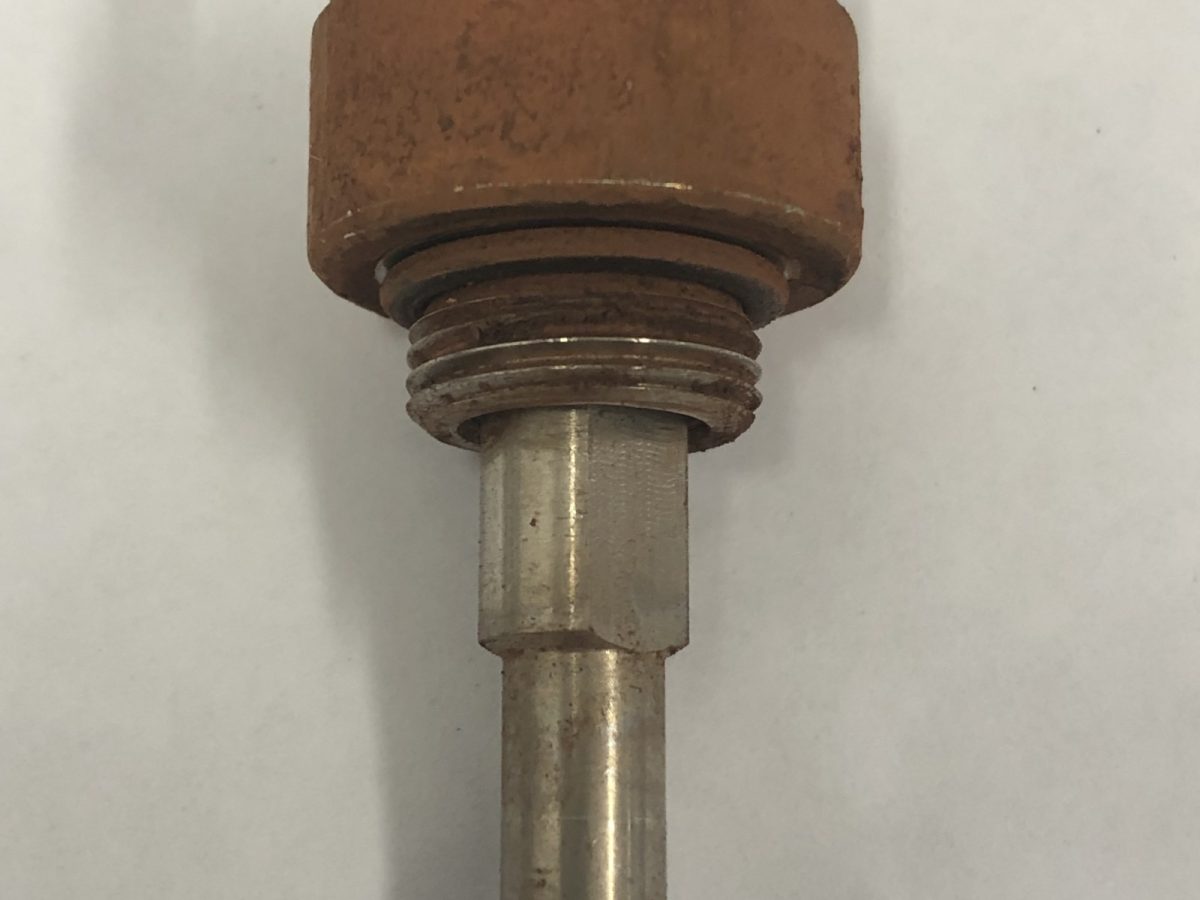
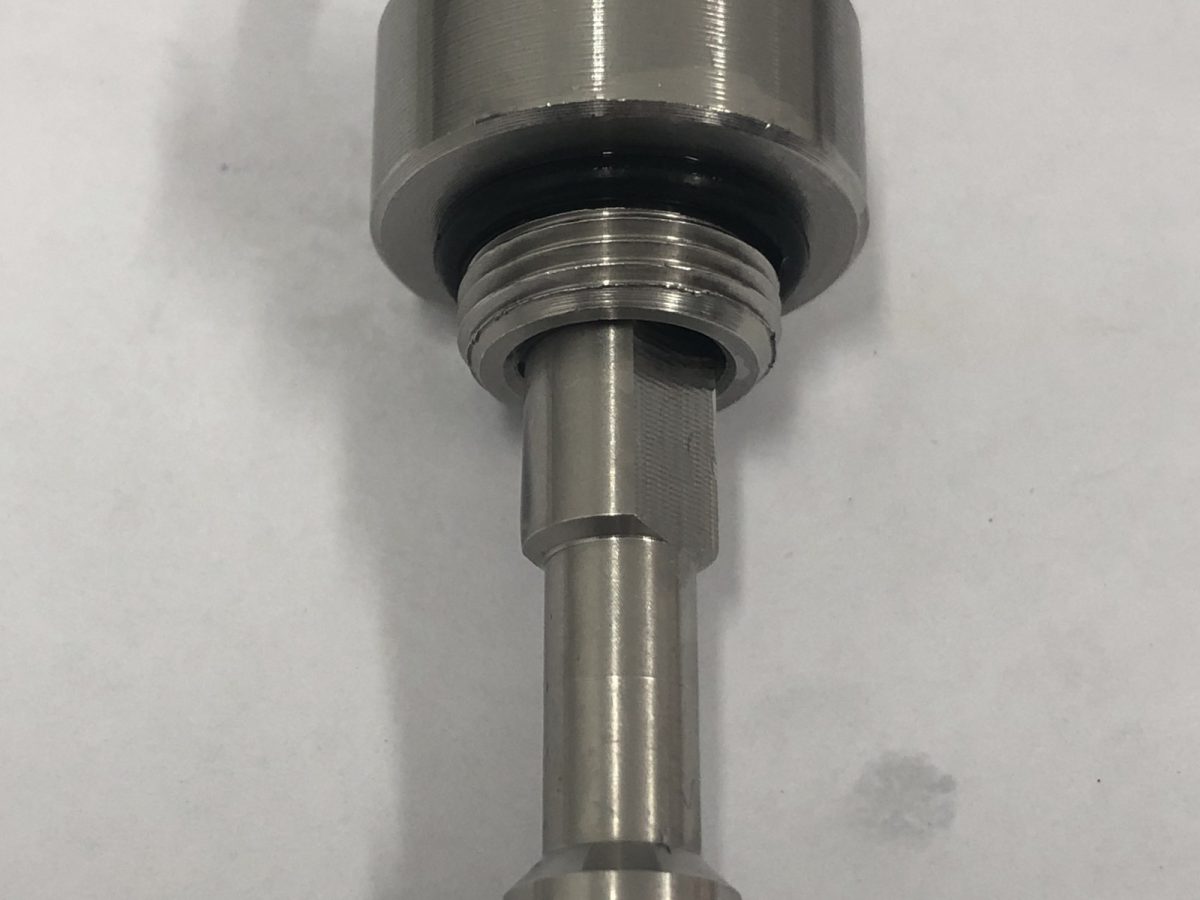
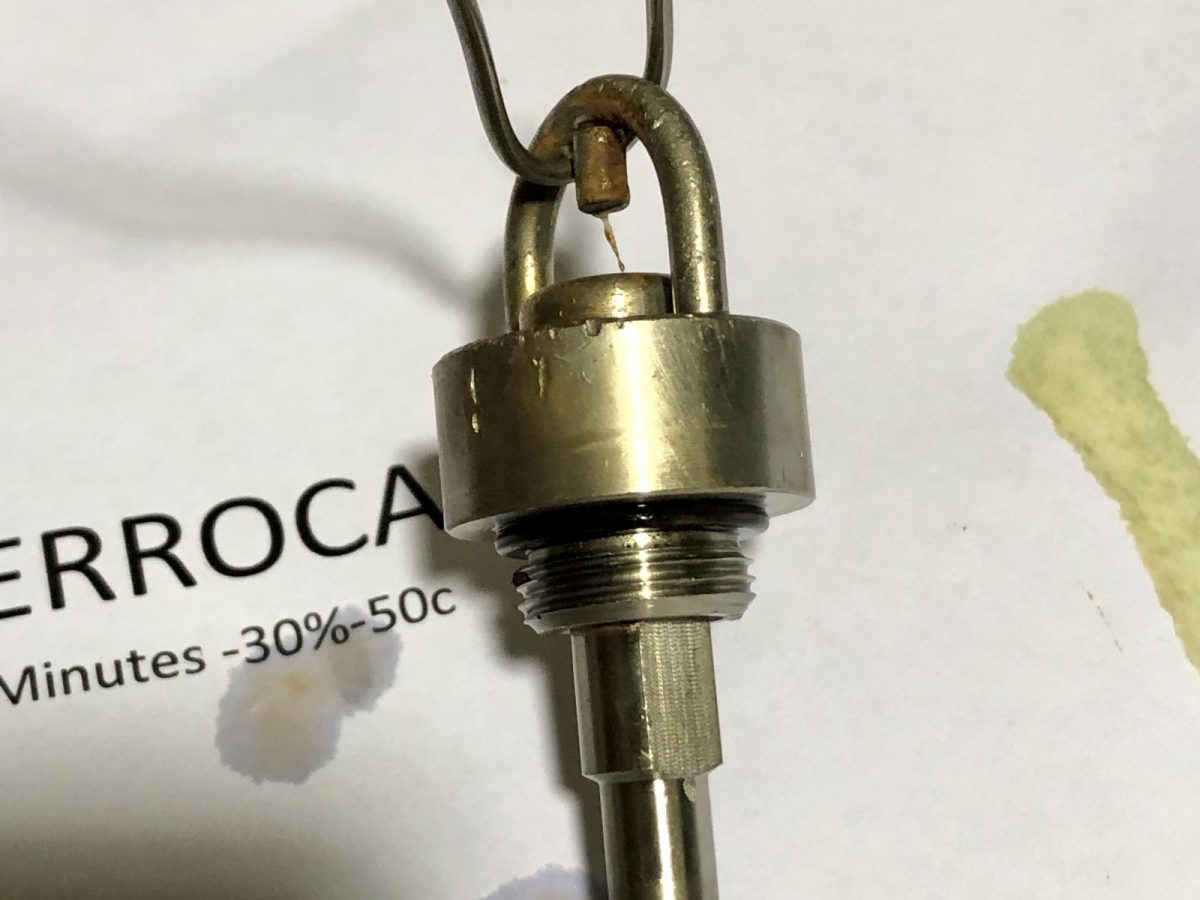
Brass nozzle body, timed cycle. A different specimen in a different metal, run to a written recipe — the card in shot records the chemistry, the concentration and the time. That is what makes it a process rather than a knack.
As receivedAfter cycle
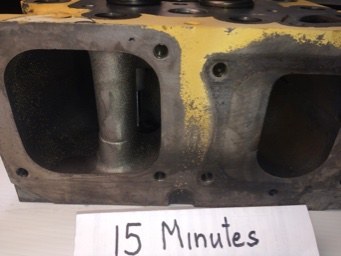
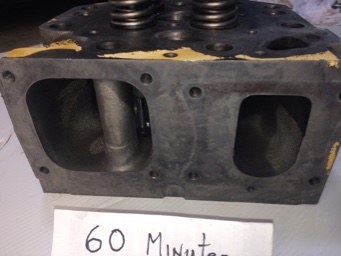
Cat 3516-series cylinder head, exhaust and inlet ports. Fifteen minutes on the left, sixty on the right, from a timed trial in MetalTek 100 at 30% and 70 °C. Bare cast iron to the back of both ports — nothing entered them. See the full timed trial →
As receivedAfter cycle
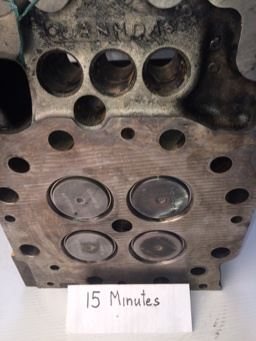
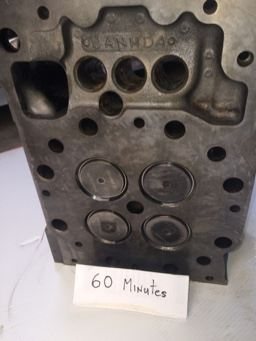
The same head, combustion face. Carbon over the original paint at fifteen minutes; casting marks legible and valve seats measurable at sixty. No media, no abrasive, no dimensional change.
Components We Clean
Real parts, real materials
Mobile plant
Final drives, transmissions, axle components, brake assemblies, cylinder blocks and heads off haul trucks, dozers and excavators.
Final drivesRadiatorsHydraulicsUndercarriage
Fixed plant
Conveyor rollers, gearboxes, pump casings, screen components and process-plant hardware on rebuild rotation.
GearboxesPumpsRollersScreens
Cooling & heat transfer
AMOC radiators, intercoolers and oil coolers — mud and scale out of fin packs without rodding damage.
RadiatorsIntercoolersOil coolers
Why Ultrasonics — And Why These Machines
Cavitation cleans geometry it cannot see
Bubble collapse at the liquid–metal boundary lifts contamination from passages, galleries and cavities without anything touching the surface. Nothing abrades, nothing embeds, no metal is removed.
GeneratorResonance held all shift
The VarioSonic G5 tracks the transducer array as temperature and load shift — conversion efficiency up to 95%.
Sound fieldSweep modulation
Eliminates standing-wave hot and cold zones across a loaded basket.
Process controlLogged, recipe-driven cycles
Stored recipes and logged cycles — audit evidence produced as a by-product of running.
Bath conditionFiltration & oil separation
Multi-stage filtration and weir oil capture hold results steady as the bath loads.
SupportOver-the-air diagnostics
Most faults identified — many resolved — without a site visit.
ConstructionBuilt to work hard
Heavy 316 stainless tanks, tested before despatch, every wearing part replaceable.
Equipment Fit
The machine follows the process
From manually loaded single-tank units to automated lines — and engineered systems where the catalogue ends.
EvoSonic
Heavy 25 kHz platforms with pneumatic lift for rebuild workshops.
Hydrocarbon and mineral soils respond to heavy-duty alkaline chemistry matched to the substrate — toll-manufactured for ultrasonic use, with oil separation keeping the bath working between changes.
Applications Matrix
Component coverage at a glance
Component category
Specific parts / assemblies
Compatible materials
Drivetrain
Final drives, transmissions, diffs
Cast iron, hardened steels
Engine
Blocks, heads, cranks, cooling circuits
Cast iron, aluminium
Hydraulics
Cylinders, valve blocks, pumps
Steels, chrome plate
Heat transfer
Radiators, intercoolers, oil coolers
Aluminium, CuNi, brass
Fixed plant
Gearboxes, rollers, screens
Steels, cast iron
GET & structures
Bucket hardware, pins, bushes
Hardened steels
Prove it on your parts
Where an application needs validation, we clean sample components in our laboratory, document the result, and specify the machine around the verified process. If ultrasonics is the wrong answer, the trial shows that too, and we will tell you.
Can you clean components straight off a haul truck?
Yes — that is what lift platforms and heavy baskets are for. Components go in dirty; disassembly to piece-part level is often unnecessary.
What about mud packed into radiator cores?
Cavitation works inside the fin pack where rodding cannot reach and pressure washing bends fins. It is one of the most common mining applications we run.
Our site is remote — what happens when it faults?
Connected machines support over-the-air diagnostics and repair. Most faults are resolved without anyone flying in.
How big can you go?
Standard models to 42,000 litres; purpose-built systems beyond that for exchanger bundles and large fabrications.