Quality on an industrial machine is not a slogan — it is what was verified before despatch, what standard the certification is against, and what happens if something fails. Here is all three.

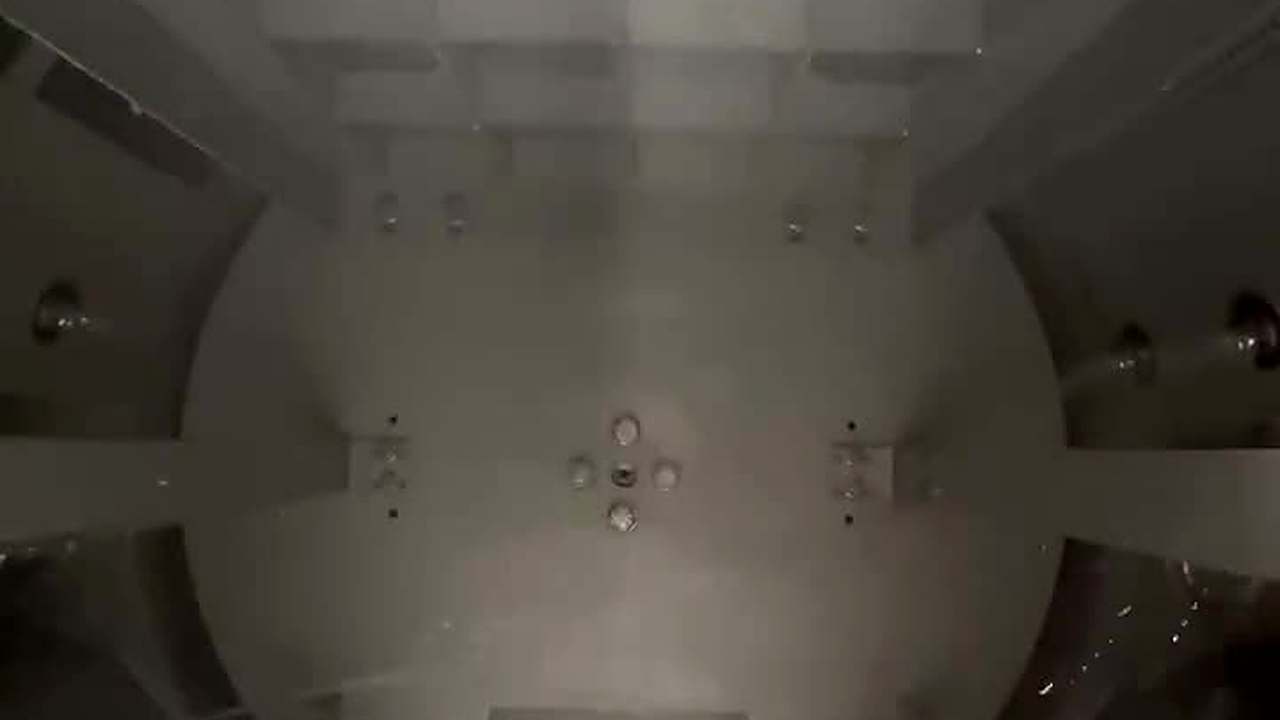
Before any machine leaves our facility it runs a load and cavitation test — a minimum of four hours for standard machines, with ultrasonics, heating, controls and safety interlocks verified under real operating load. Larger industrial systems run for days, sometimes weeks, as each process stage is tested and checked in turn. For large and involved cleaning solutions, full FAT documentation is provided.


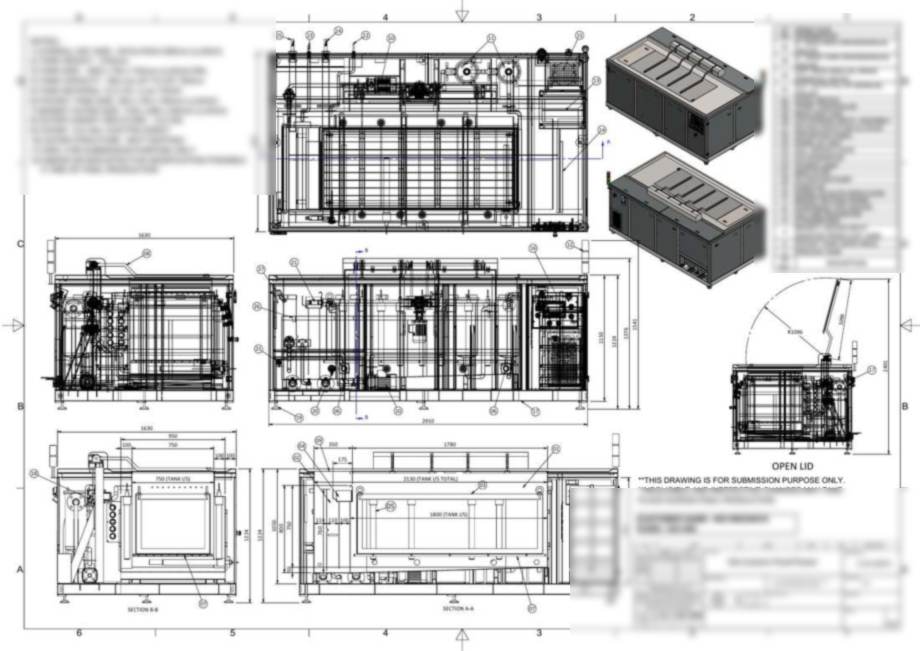
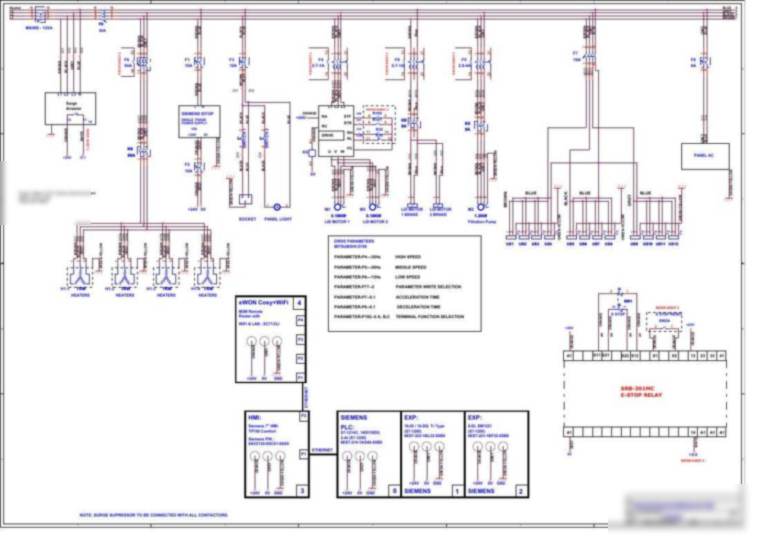
The test ends in paperwork, not a handshake. Every engineered system ships with its Factory Acceptance Test report — the as-built drawings, the electrical schematics, the measured results against specification, and the witnessed sign-offs. Shown: the front page of a real report format, details obscured. Yours arrives readable, with your machine’s numbers on it.
Minimum four hours of continuous operation — and days to weeks on large industrial systems — so the failure modes that appear at temperature and duration are found in our facility, not your production schedule.
Ultrasonic output and cavitation performance are confirmed against benchmark, not assumed from the nameplate.
The benchmark report accompanies each machine as your commissioning baseline. Engineered systems are proven against their specification with full Factory Acceptance Test documentation — witnessed, if you wish to attend.
Machines are certified to AS/NZS 3100, the Australian and New Zealand electrical safety standard. Since March 2013 every item of electrical equipment sold in Australia or New Zealand must demonstrate electrical safety and carry compliance marking — ours does, verifiably.
Misonics is registered and compliant under the ERAC-administered Electrical Equipment Safety System — the national registration framework behind the compliance mark.
Electromagnetic compatibility compliance matters most exactly where ultrasonic equipment often works — laboratories, hospitals and electrically sensitive environments. Our machines carry it as standard.
Our quality system is aligned with ISO 9001:2015 principles — documented processes, controlled records and traceable inspection through build, test and delivery.
Electrical and mechanical components warranted against defects in materials and workmanship, to the specifications agreed at manufacture.
The tank and stainless structure carry a 24-month warranty — a term heavy 316 construction can honestly support.
Chemical products are covered under their own product warranty — and because machine and chemistry are specified together from the trial, process responsibility never falls between two suppliers.
Behind the terms sits what makes a warranty usable: spares held in Australia, every wearing component individually replaceable, and over-the-air diagnostics — a claim starts with a remote session, not a site-visit queue.
Every claim on this page is checkable — certification, registration, and the four-hour benchmark record for the machine you are buying. Ask for them.