Added to cart
ALLOY SYSTEM · Paint Stripper & DecarboniserTank Approved THIS PART: SOLVENT

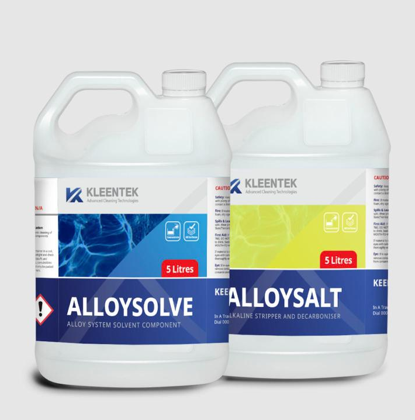
Alloy SystemALLOYSolv — the solvent part

The solvent half of the Alloy System

ALLOYSolv — benzyl-alcohol solvent action that swells paint and carbon off aluminium, zinc and steel.

Non-flammable — safe in a heated ultrasonic bathBenzyl-alcohol solvent — the MC-replacement chemistrySwells paint & carbon films for the alkaline half to liftSafe on aluminium & zinc · never magnesium
From $209.00 inc GST
alloysolve container
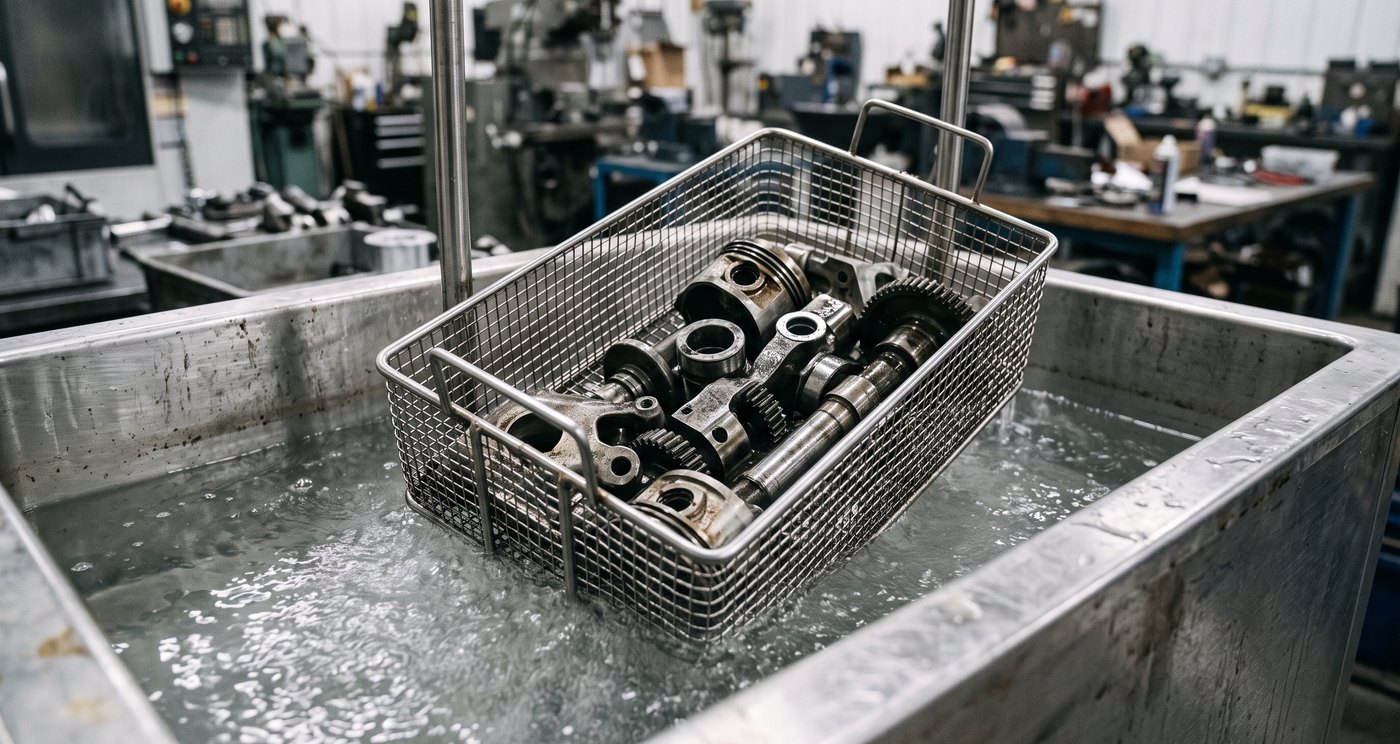
Machined steel components in a stainless mesh basket being lowered into an ultrasonic cleaning bath
The chemistry is half the process. It wets the tank and the part so cavitation can form at the surface, and it holds the soil once the ultrasound has lifted it.Illustration generated by Misonics.
PART · SOLVENTALLOYSolvBenzyl-alcohol solvent — penetrates & swells paint and carbon films
+
PART · ALKALINEALLOYSalt-LAlkaline silicate liquid — lifts, emulsifies & suspends for filtration
=
THE ALLOY SYSTEMSynergistic solvent + detergent action — paint and carbon off steel, cast iron, aluminium and zinc. MC-stripper performance, non-flammable at working temperature. Never on magnesium.
Why It Wins

The solvent half of the Alloy System

Methylene chloride built the paint-stripping industry, and its withdrawal left a hole: nothing legal seemed to strip stoved finishes and carbon without attacking the metal. The Alloy System is the engineered answer, and ALLOYSolv is its solvent half — benzyl-alcohol chemistry that penetrates and swells paint films and organic soils the way the old chlorinated strippers did, without their compliance burden.

It never works alone. Paired with ALLOYSalt-L, the alkaline detergent half, the system's synergy does what neither part can: the solvent lifts the film, the alkaline liquid saponifies, emulsifies and holds the debris in suspension where the filter collects it. Carburettors, zinc diecast, alloy heads and fuel injectors come out clean and intact.

Safe on steel, cast iron, aluminium and zinc — and flatly not safe on magnesium. Sold as the Alloy System (both parts, $209 for 5 L); this page covers the solvent part for top-ups and system balance.

THE SOLVENT · ALLOYSolv

Penetrates and swells

Benzyl-alcohol solvent action gets under cured paint and carbonised films and swells them off the substrate — the job methylene chloride used to do, without its compliance burden.

THE ALKALINE · ALLOYSalt-L

Lifts, emulsifies, suspends

Silicate alkaline detergent lifts the loosened film, emulsifies the oils beneath, and holds residue in suspension so it ends up in the filter — not back on the work.

System Make-Up
ALLOYSolv (solvent)Dose per supplier TDS — equal dose with ALLOYSalt-L
ALLOYSalt-L (alkaline)Dose per supplier TDS — equal dose with ALLOYSolv
TemperatureHeated bath — 60–80 °C working range; ultrasonics or air agitation improves results markedly
Fire safetyBoth parts non-flammable — flash point not relevant per SDS. Runs heated at 60–80 °C in open ultrasonic tanks where flammable solvents are prohibited.
EquipmentUltrasonic tanks, agitated immersion, static tanks (agitate if possible), spray washers

Both parts dose into the same bath — one system, one make-up. The trial documents your working ratio, temperature and cycle before you commit.

Applications

Where it earns its keep

Aluminium engine reconditioning — pistons, heads, casings; carbon and paint off alloy.

AutomotiveRestorationAerospace
Material caution: Never on magnesium. Run only as the Alloy System with ALLOYSalt-L at system ratio.
Temperature & Dose
SWEET SPOT 70 °C60–80 °C20 °C100 °C

Dose: System ratio with AlloySalt. The trial sets your exact process values; the TDS governs.

Run It Right

The working process

Buy the Alloy Systeminc GST
Complete system
both parts · recommended
This part only
ALLOYSolv top-up
System · 5 L$209.00
System · 20 L$655.00
Includes ALLOYSolv (solvent) + ALLOYSalt-L (alkaline) — one system, one make-up.
$209.00
The Other Half — Required
ALLOYSalt-L · Alkaline partAlkaline silicate liquid — lifts, emulsifies & suspends for filtration
View Alkaline part
Complete The Job
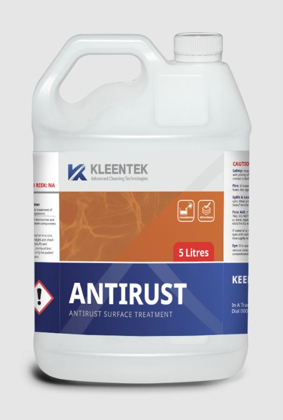
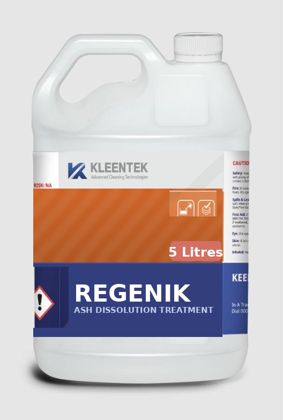
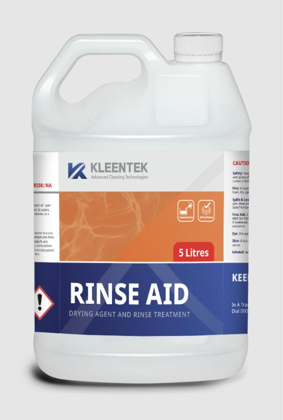
Anti-RustStops flash rust on cleaned steelView & buy →RegeniKThe ash stage after carbonView & buy →Rinse AidSpot-free final rinseView & buy →
Compatibility
Mild & carbon steelSafe in prescribed use
Stainless steelSafe in prescribed use
Cast ironSafe in prescribed use
Aluminium & titaniumSafe in prescribed use
Magnesium & soft alloysDo not use
Zinc & galvanisedSafe in prescribed use
Copper & brassTest first
Plated finishes (Cd·Cr·Ni)Confirm plating type first
Plastics & rubbersBenzyl-alcohol chemistry — attacks plastics & rubbers
Painted / coated surfacesStrips paint & carbon — that is the job
Per prescribed use — the cleaning trial confirms on your parts; the TDS governs. Full range matrix →
Transport
TransportNot classified as Dangerous Goods for road and rail
No DG freight surcharge applies.
Bath Life

This is not a single-use chemical

A common misconception treats industrial chemistry like dishwater — used once, tipped out. A defended bath of Alloysolve works for weeks of production: weir oil separation and filtration defend the bath, solids leave through the filter, and the chemistry keeps working until genuine depletion.

Change out on evidence, not anxiety: when cycle times stretch or results fade at correct concentration, the bath has earned its retirement. Top-ups at specification carry it between changes.

Keep It Honest
  • Skim or weir oils continuously — oil load is bath killer #1
  • Filter solids; drain settled sludge from the sump
  • Verify concentration on schedule per the TDS check method
  • Log it — the trend predicts top-ups before cleaning fades
Storage

Drum and bath, both looked after

The Concentrate
  • Handling: Avoid eye contact and repeated or prolonged skin contact.
  • Avoid inhalation of vapour, mist or aerosols.
  • Storage: Store in a cool, dry, well-ventilated place and out of direct sunlight.
  • Store away from foodstuffs.
  • Store away from incompatible materials described in Section 10.
  • Store away from sources of heat and/or ignition.
  • Keep container standing upright.
  • Keep containers closed when not in use - check regularly for leaks.
Compliant with the product SDS.
The Working Bath

Lid the tank between shifts — holds temperature, limits evaporation, keeps dust out.

Idle periods: a warm, stagnant aqueous bath can support biological growth over extended stagnation. Circulate periodically, keep concentration at specification, never leave an open tank standing for weeks.

Extended shutdown: drain to sealed, labelled containers — or schedule changeover for restart day.

Storage

Two drums, one discipline

Both Parts — From The SDS
LocationCool, dry, well-ventilated — out of direct sunlight
SegregationAway from foodstuffs, incompatible materials, and sources of heat or ignition
ContainersOriginal containers, sealed between uses — the solvent part loses strength to evaporation if left open
ALLOYSalt-L specificallyStore locked up (P405) — Poison Schedule S5, and its alkalinity demands segregation from acids
Shelf disciplineStore the two parts together as a system — a part that cannot find its partner is dead stock
The Working Bath

The made-up system is not a single-use fill. Between shifts, lid the tank: it limits evaporation of the solvent component, keeps airborne dust out, and holds temperature for a faster morning start.

Bath life is measured in work done, not days passed — emulsified oils skim off at the weir, paint residues collect in the filter, and the system chemistry keeps working until depletion, when a part-wise top-up (at system ratio) restores it.

For shutdown periods, drain and store made-up solution in sealed containers rather than leaving an open tank standing — and label the container with make-up date and ratio, because the next operator was not there when you mixed it.

Documents & Safety

The paperwork, on the page

Safety Data Sheets (SDS) — two-part system
The Alloy System runs as a pair — keep both Australian GHS SDSs in your chemical register.
ALLOYSolve PDF, 206 KBViewDownload
ALLOYSalt-L PDF, 211 KBViewDownload
Technical Data Sheets (TDS)
ALLOYSolve TDS PDF, 82 KBViewDownload
ALLOYSalt-L TDS PDF, 79 KBViewDownload
Hazard identification
WARNINGPer Safe Work Australia GHS 7
Acute Toxicity - Oral - Category 4Irritation - Category 2A
Hazard statements
H302Harmful if swallowed.
H319Causes serious eye irritation.
Key precautions
P102Keep out of reach of children.
P103Read carefully and follow all instructions.
P264Wash hands, face and all exposed skin thoroughly after handling.
P270Do not eat, drink or smoke when using this product.
P280Wear protective gloves/protective clothing including eye/face protection.
P101If medical advice is needed, have product container or label at hand.
Compliant with the product SDS — full document available for your chemical register.
PPE & exposure controls
  • National occupational exposure limits: TWA STEL NOTICES ppm mg/m3 ppm mg/m3 (2-Methoxymethylethoxy) propanol 50 308 - - Sk As published by Safe Work Australia.
  • TWA - The time-weighted average airborne concentration over an eight-hour working day, for a five-day working week over an entire working life.
  • STEL (Short Term Exposure Limit) - the average airborne concentration over a 15 minute period which should not be exceeded at any time during a normal eight-hour workday. ‘Sk' Notice - absorption through the skin may be a significant source of exposure.
  • The exposure standard is invalidated if such contact should occur.
  • These Exposure Standards are guides to be used in the control of occupational health hazards.
  • All atmospheric contamination should be kept to as low a level as is workable.
  • These exposure standards should not be used as fine dividing lines between safe and dangerous concentrations of chemicals.
  • They are not a measure of relative toxicity.
  • If the directions for use on the product label are followed, exposure of individuals using the product should not Product Name:
  • Alloysolve Reference No: KT-CC-ALSV Issued: 2021-07-23 Version: 1.1 Safety Data Sheet exceed the above standard.
Compliant with the product SDS — full document available for your chemical register.
First aid
  • If poisoning occurs, contact a doctor or Poisons Information Centre (Phone Australia 131 126, New Zealand 0800 764 766).
  • Inhalation: Remove victim from exposure - avoid becoming a casualty.
  • Remove contaminated clothing andloosen remaining clothing.
  • Allow patient to assume most comfortable position and keep warm.
  • Keep at rest untilfully recovered.
  • Seek medical advice if effects persist.
  • Skin Contact: If skin or hair contact occurs, remove contaminated clothing and flush skin and hair with runningwater.
  • If swelling, redness, blistering or irritation occurs seek medical assistance.
  • Eye contact: If in eyes, hold eyelids apart and flush the eyes continuously with running water.
  • Continue flushinguntil advised to stop by the Poisons Information Centre or a Doctor; or for at least 15 minutes and transport toDoctor or Hospital.
Compliant with the product SDS — full document available for your chemical register.
Storage & handling
  • Handling: Avoid eye contact and repeated or prolonged skin contact.
  • Avoid inhalation of vapour, mist or aerosols.
  • Storage: Store in a cool, dry, well-ventilated place and out of direct sunlight.
  • Store away from foodstuffs.
  • Store away from incompatible materials described in Section 10.
  • Store away from sources of heat and/or ignition.
  • Keep container standing upright.
  • Keep containers closed when not in use - check regularly for leaks.
Compliant with the product SDS — full document available for your chemical register.
Disposal
  • Persons conducting disposal, recycling or reclamation activities should ensure that appropriate personal protection equipment is used, see "Section 8.
  • Exposure Controls and Personal Protection" of this SDS.
  • If possible material and its container should be recycled.
  • If material or container cannot be recycled, dispose in accordance with local, regional, national and international Regulations.
Compliant with the product SDS — full document available for your chemical register.
Transport & dangerous goods
  • Not classified as Dangerous Goods by the criteria of the "Australian Code for the Transport of Dangerous Goods by Road & Rail" and the "New Zealand NZS5433:
  • Transport of Dangerous Goods on Land".
  • MARINE TRANSPORT Not classified as Dangerous Goods by the criteria of the International Maritime Dangerous Goods Code (IMDG Code) for transport by sea.
  • AIR TRANSPORT Not classified as Dangerous Goods by the criteria of the International Air Transport Association (IATA) Dangerous Goods Regulations for transport by air.
Compliant with the product SDS — full document available for your chemical register.
Alloysolve FAQ

Asked at the tank

What dilution and temperature do I run?
System ratio with AlloySalt at 60–80 °C — and the trial sets your exact process values against your soil. Running richer than specified wastes chemical without cleaning faster. That range is the chemistry’s window — not the whole answer. The substrate sets its own ceiling, and it is usually lower: aluminium and anodised finishes discolour above about 65 °C, zinc and coated parts lower again, and magnesium is governed by pH before temperature. Run at the lower of the two. Bath temperature — chemistry vs substrate →
When do I change the bath?
When cycle times stretch, results fade, or filtration stops holding the debris. Drain, clean the tank, refill — never lay fresh solution over settled sludge.
Can algae grow in the bath if it sits unused?
Over extended stagnation, any warm diluted aqueous bath can support growth as preservative systems deplete. Prevention: circulate periodically, hold concentration at specification, lid the tank. If a bloom happens: drain, clean the tank including weir and lines with hot fresh solution, rinse and refill — never dose on top of growth.
Can I get the SDS before buying?
Yes — every product ships with its SDS, and documents are available ahead of purchase for your chemical register and risk assessments.

Prove it on your parts

The trial pairs Alloysolve with your components — concentration, temperature and cycle documented before you order a drum. Wrong chemistry for your soil? The trial says so.

Talk to an engineer Back to the Range