Petrochemical processing plant at dusk
Industries / Heavy Industry & Resources / Oil & Gas
Industries · Heavy Industry & Resources

Ultrasonic Cleaning for Oil & Gas

Hydrocarbon processing leaves the hardest deposits in industry: coke, asphaltenes, polymerised residues and mineral scale bonded onto valves, exchanger bundles and downhole tooling. Inspection and recertification require them gone — without dimensional damage to sealing faces.

Misonics systems take wellhead, process and turnaround components to inspection-ready condition in documented, repeatable cycles, with chemistry matched to hydrocarbon soils and oil separation engineered into the machine.
The Contamination Problem

What we remove in oil & gas

Coke & asphaltene build-up

Thermally bonded onto process internals, resistant to solvents and mechanical cleaning.

Mineral scale

Carbonate and sulphate scale on water-side and exchanger surfaces.

Heavy hydrocarbon films

Crude residues, waxes and greases through valves, actuators and fittings.

Catalyst fines & particulates

Abrasive fines lodged in coalescer housings, strainers and instrument hardware.

Corrosion products

On carbon-steel components ahead of NDT, where surface condition decides the inspection.

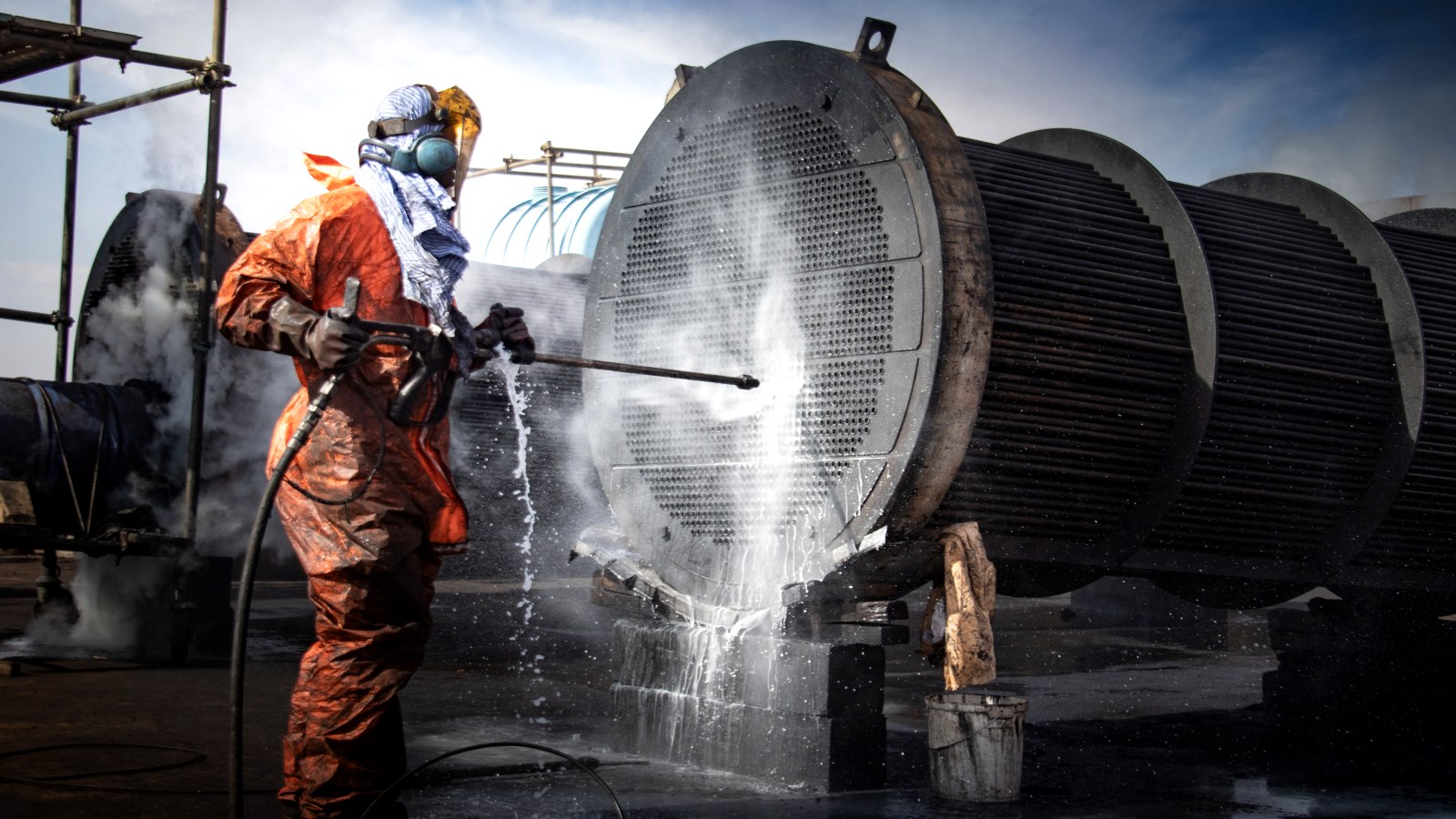
Shell-and-tube exchanger bundle being water-lanced by hand
The old way — hours of high-pressure water-lancing a shell-and-tube bundle by hand. Immersion ultrasonics cleans the full bundle, inside and out, in a single unattended cycle. — click to enlarge
The endpoint is a defined, repeatable process condition — cycle time, chemistry, concentration, frequency and temperature are recorded parameters, not operator judgement.
Trial Evidence

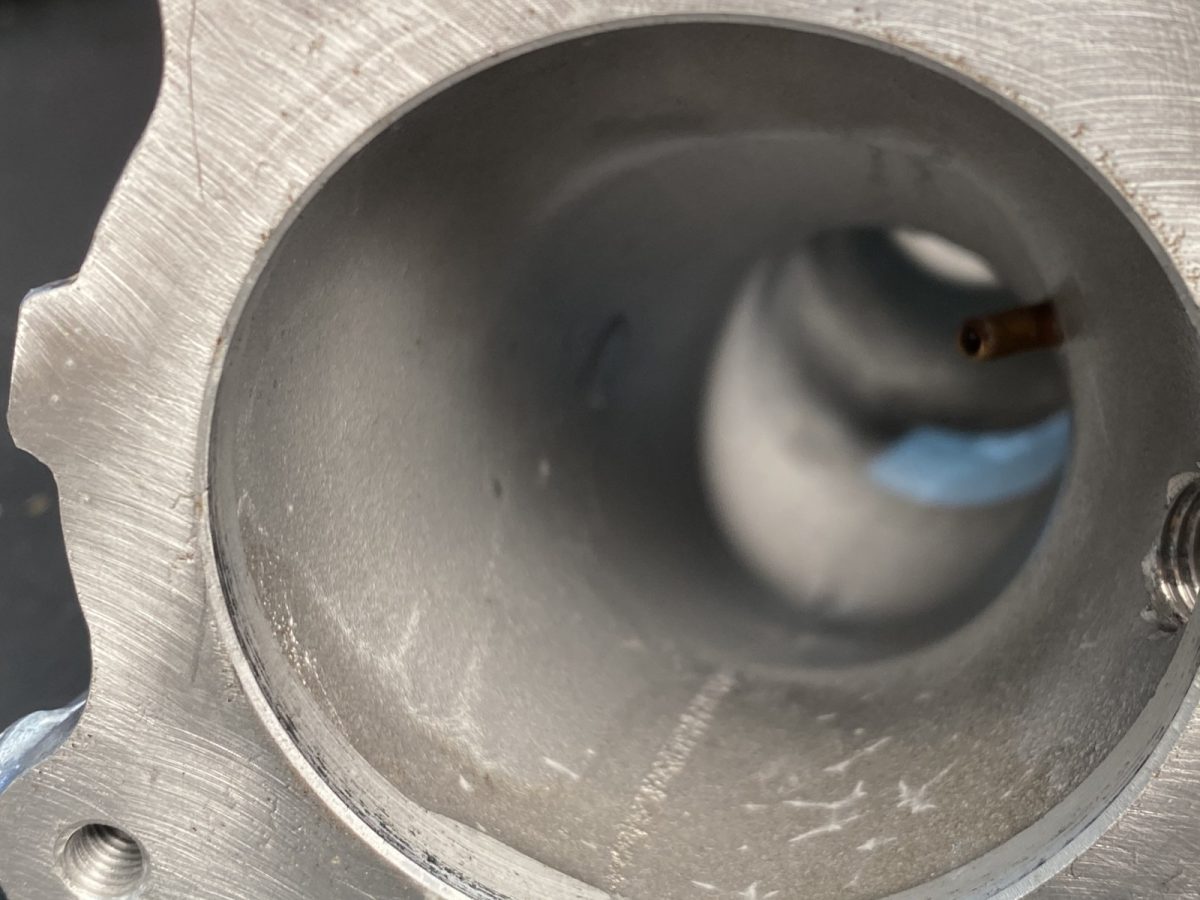
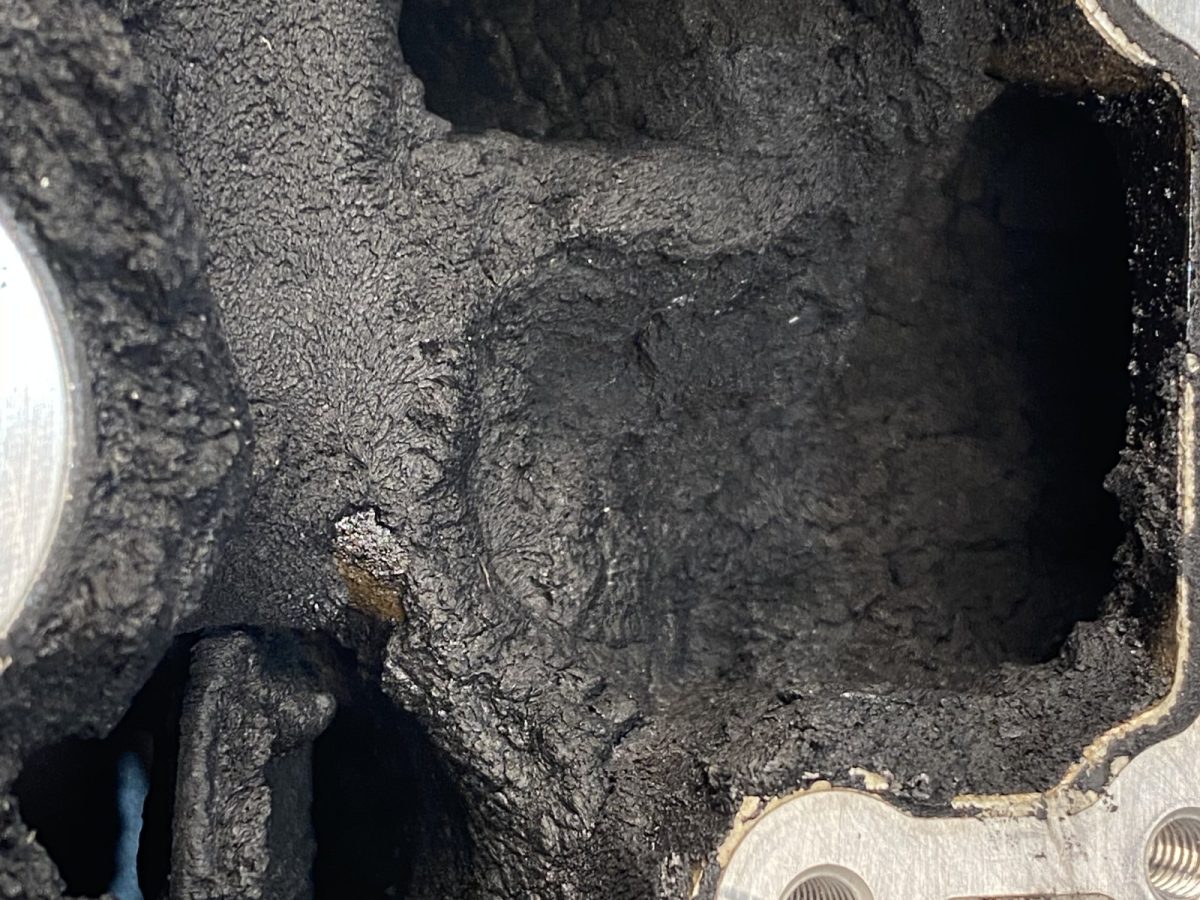
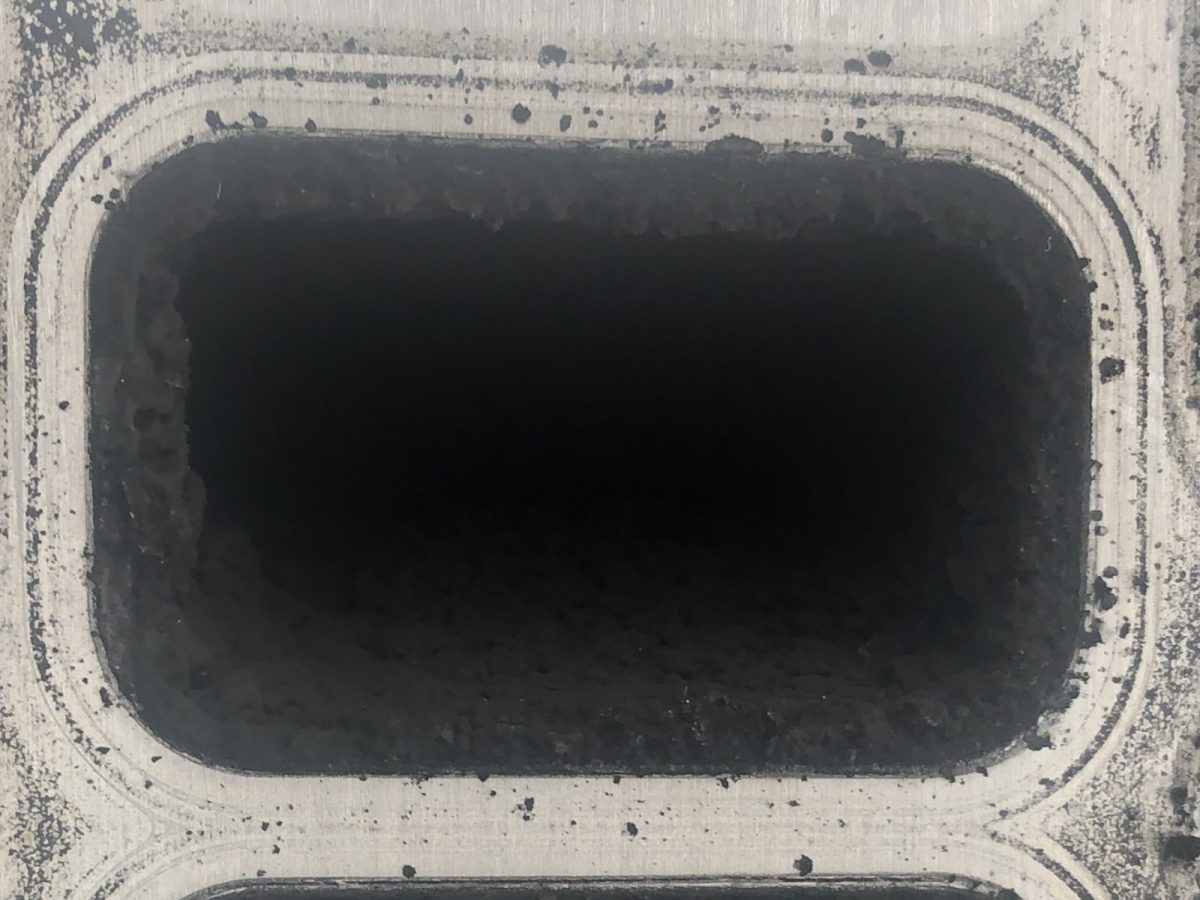
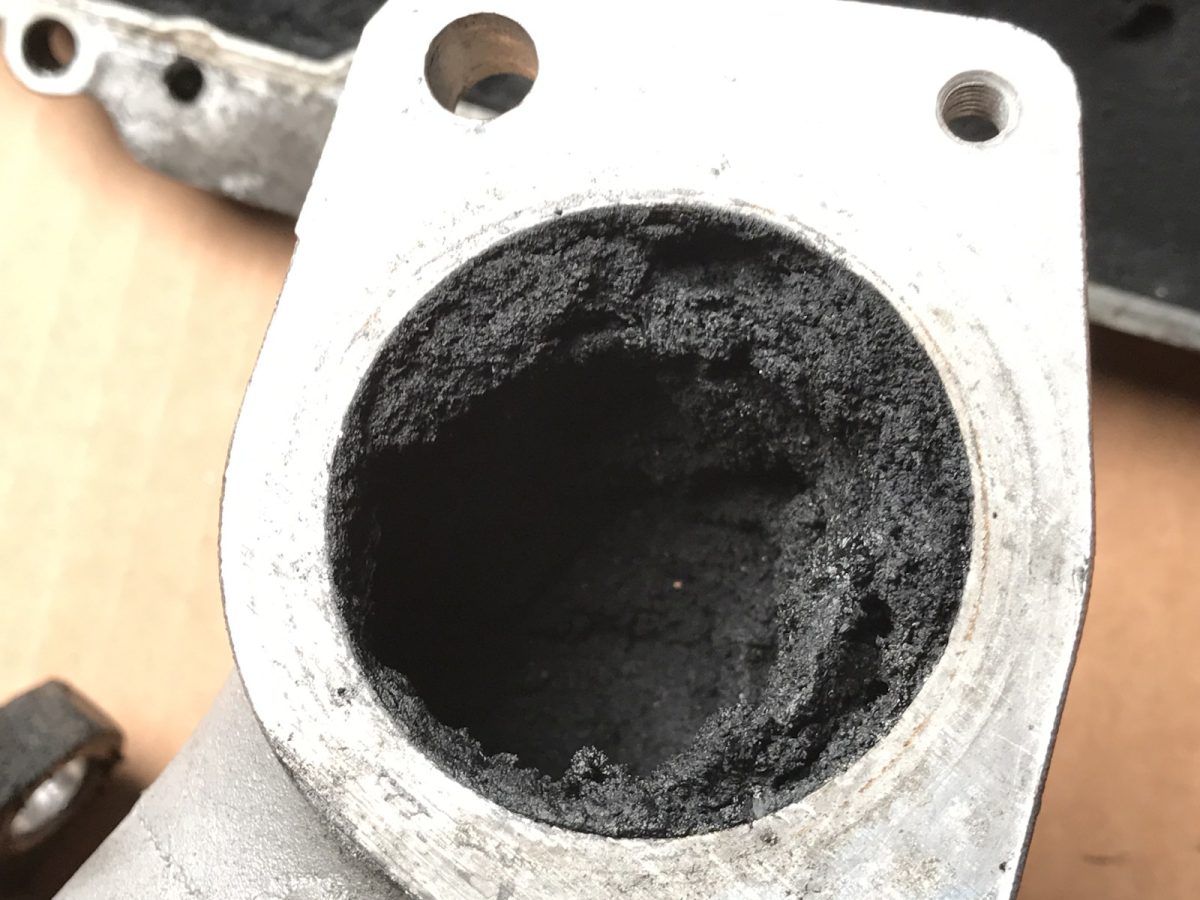
Engine and inlet components, before and after

Diesel inlet components from field service, photographed as received and after a documented cycle.

Inlet port bore — before and after ultrasonic cleaning — as received
As received
Inlet port bore — before and after ultrasonic cleaning — after the cycle
After cycle

Inlet port bore. Hard carbon in the port bore of a working engine, out without cutting or blasting.

Runner twin ports — before and after ultrasonic cleaning — as received
As received
Runner twin ports — before and after ultrasonic cleaning — after the cycle
After cycle

Runner twin ports. Both runners packed solid on the left, both open on the right.

Components We Clean

Real parts, real materials

Valves & wellhead

Ball valves, gate valves, actuators, Christmas-tree components — cleaned seat-safe ahead of test and recertification.

Ball valvesActuatorsWellhead

Heat transfer

Exchanger bundles and plate packs — coke and scale out of tube bundles in purpose-sized tanks.

BundlesPlate packsCoolers

Downhole & rotating

Downhole tooling, pump internals and rotating-equipment components on turnaround schedules.

ToolingPumpsCompressond parts
Why Ultrasonics — And Why These Machines

Cavitation cleans geometry it cannot see

Bubble collapse at the liquid–metal boundary lifts contamination from passages, galleries and cavities without anything touching the surface. Nothing abrades, nothing embeds, no metal is removed.

GeneratorResonance held all shift

The VarioSonic G5 tracks the transducer array as temperature and load shift — conversion efficiency up to 95%.

Sound fieldSweep modulation

Eliminates standing-wave hot and cold zones across a loaded basket.

Process controlLogged, recipe-driven cycles

Stored recipes and logged cycles — audit evidence produced as a by-product of running.

Bath conditionFiltration & oil separation

Multi-stage filtration and weir oil capture hold results steady as the bath loads.

SupportOver-the-air diagnostics

Most faults identified — many resolved — without a site visit.

ConstructionBuilt to work hard

Heavy 316 stainless tanks, tested before despatch, every wearing part replaceable.

Equipment Fit

The machine follows the process

From manually loaded single-tank units to automated lines — and engineered systems where the catalogue ends.

EvoSonic

Heavy platforms for valve and turnaround workshops.

Explore the range →

UltraMax

Immersible arrays sized to exchanger bundles.

Explore the range →

Custom

15,000–50,000 L class systems built for bundle cleaning.

Explore the range →
Chemistry

Matched to the soil and the substrate

Coke and asphaltene respond to hot heavy-duty alkaline chemistry with long staged cycles; oil separation and filtration are engineered in, because bath life is an operating cost.

Applications Matrix

Component coverage at a glance

Component categorySpecific parts / assembliesCompatible materials
ValvesBall, gate, check, control valvesCarbon steel, stainless, alloy trims
WellheadChristmas trees, spools, hangersAlloy steels, Inconel cladding
Heat transferShell-and-tube bundles, plate packsCarbon steel, stainless, titanium
RotatingPump internals, compressor partsSteels, stainless
InstrumentationCoalescers, strainers, fittingsStainless, brass
DownholeDrilling and completion toolingAlloy steels

Prove it on your parts

Where an application needs validation, we clean sample components in our laboratory, document the result, and specify the machine around the verified process. If ultrasonics is the wrong answer, the trial shows that too, and we will tell you.

Talk to an engineer
FAQ

What oil engineers ask us

Can you clean a full exchanger bundle?
Yes — bundle cleaning is what the largest tanks are built for, including purpose-built systems in the 15,000–50,000 litre class.
Does it remove coke?
Hard coke is the far end of the scale — hot alkaline chemistry, low frequency and staged cycles. The trial establishes cycle time honestly before anyone commits.
Is the process documented for recertification?
PLC machines log every cycle — time, temperature, chemistry — so the cleaning step enters your inspection records rather than someone's memory.
What about NORM-affected components?
Talk to us — handling and containment requirements come first, and the machine specification follows them.
Related Industries · Heavy Industry & Resources

Also in this sector