Surface filtration instead of depth. A microporous PTFE membrane laminated to polypropylene felt — a sharp cut point, cake that releases cleanly, and no fibre migration at all
| Media code | PTM |
| Construction | Microporous PTFE membrane laminated to a polypropylene needle-felt substrate |
| Filtration mode | Surface — solids are retained on the membrane face, not within the felt |
| Standard size | Size 2 — φ180 × 810 mm, 0.5 m², 17 L |
| Other sizes | Size 1 (0.25 m², 8 L) · Size 3 (0.09 m², 1.3 L) · Size 4 (0.16 m², 2.5 L) |
| Ratings | 1–25 micron, with sub-micron available |
| Max. temperature | 90 °C continuous, 100 °C short-term — set by the PP substrate, not the membrane |
| Chemical resistance | PTFE is effectively inert; the polypropylene substrate governs the practical limits |
| Ring options | Polypropylene snap ring · stainless steel · galvanised steel |
| Fits | Every housing we supply — see the range |
Exact membrane rating, substrate weight, ring material and food-contact compliance are confirmed per order against the manufacturer’s current datasheet.
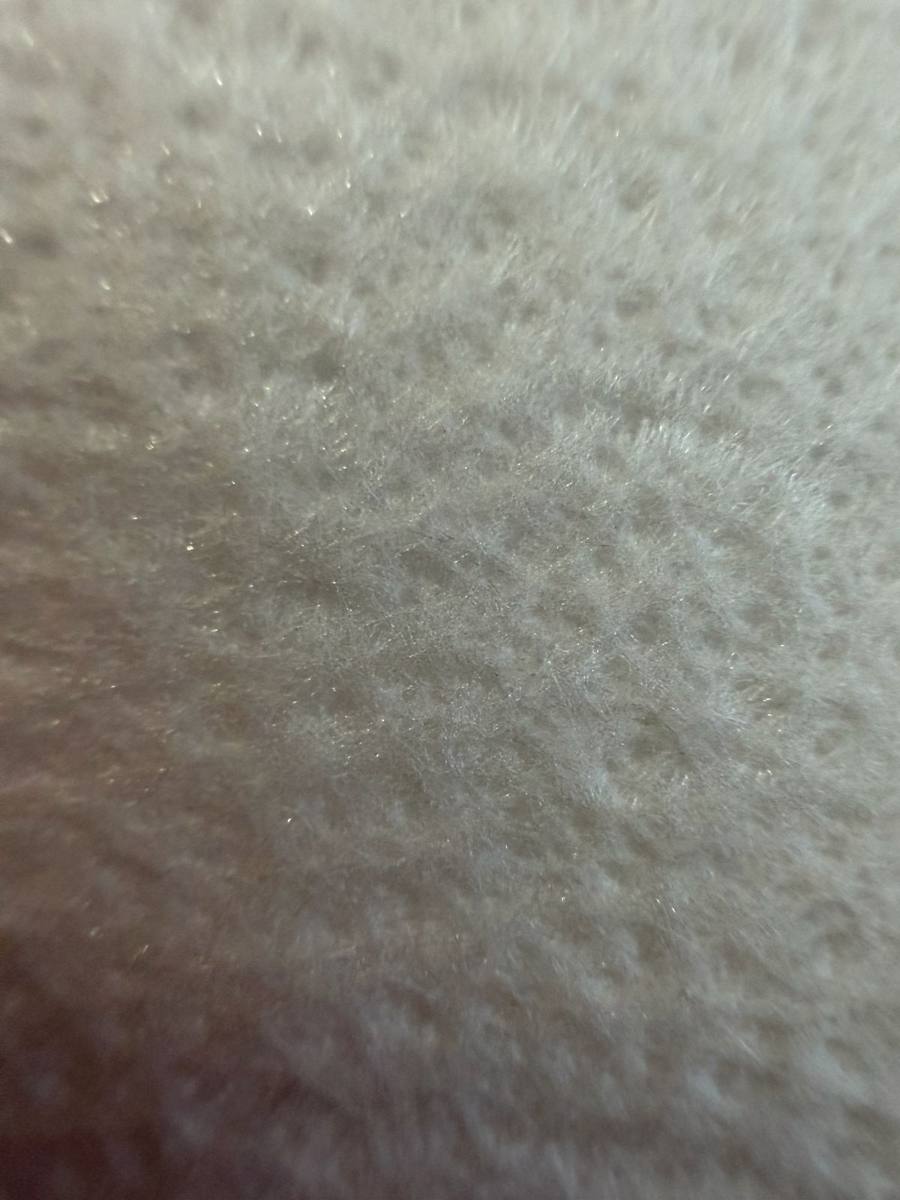
A felt bag filters through its thickness, so the rating is nominal and fine solids work their way in. A membrane bag filters at the surface, so the cut point is sharp and repeatable, the cake lifts off instead of blinding the media, and nothing sheds into your clean side. It costs several times a plain felt bag and earns it back on life and on cut point — not on unit price.
Where a defined cut point has to be proven, where fibre shed is unacceptable — coatings, electronics, plating and pharmaceutical duty — and where the solid is worth recovering.
Because solids sit on the surface rather than lodging in the felt, the cake releases and the bag can often be cleaned and returned to service — which is where the cost case comes from.
90 °C continuous, 100 °C short-term. The membrane is not the limit — the PP substrate is. The housing seal has its own limit, and the lower of the two governs.
Bag price moves with media, micron, ring type and quantity, and drops sharply at volume. Tell us the spec and your annual usage for a per-bag rate and a standing-order price. Get bag pricing →
Pick the size, media, micron, ring, handles and pack — the configurator gives you a part code, a full specification and a price, with the volume breaks shown. Minimum order a pack of five.
Build & price a bag →Flow rate, fluid, temperature, particle size and how often you want to change bags. We size the housing and the bag around that and quote the pair, delivered and commissioned.