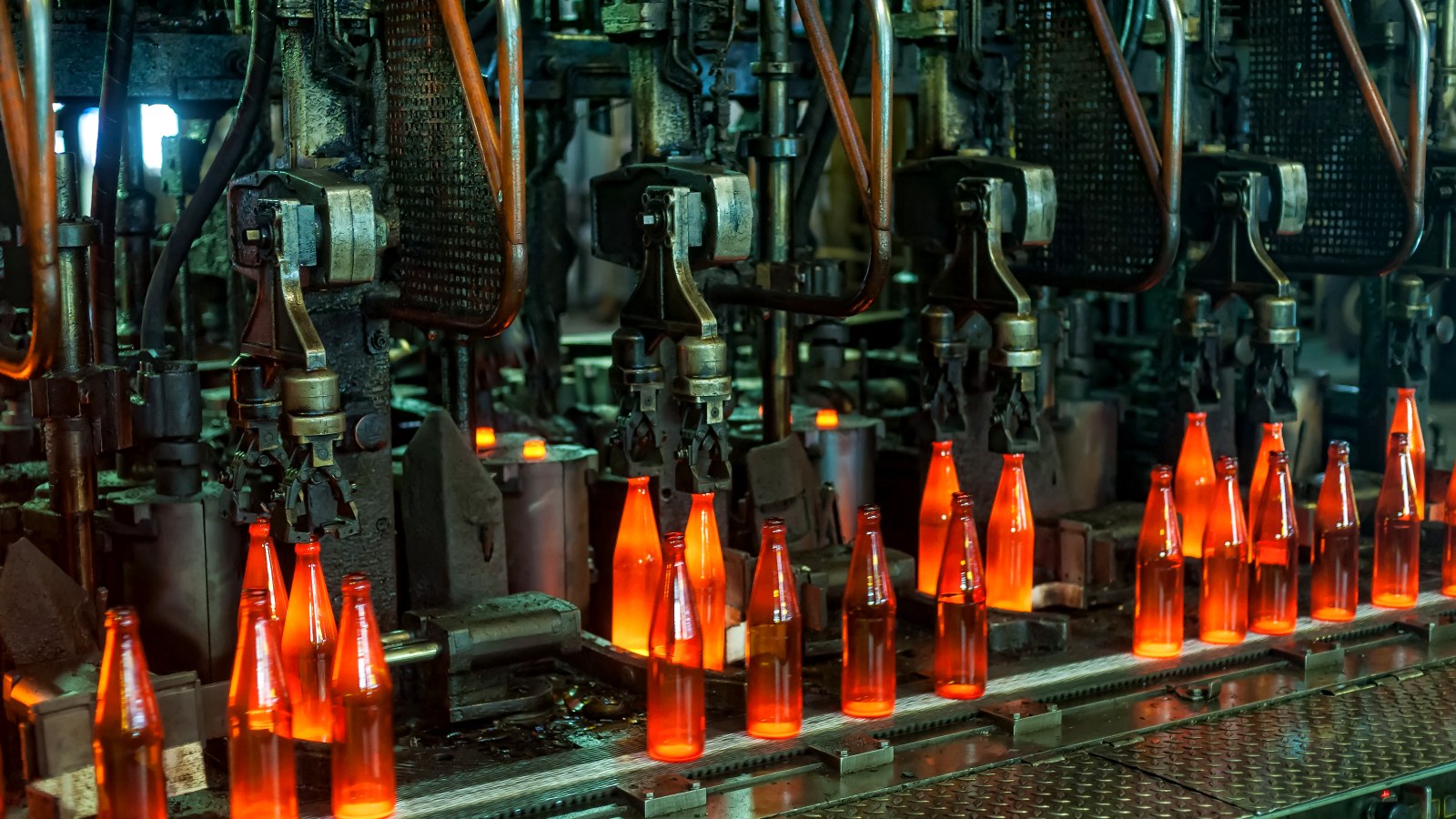
Glass bottles leaving the forming machine red-hot on the production line
Industries / Manufacturing & Process / Molds, Castings & Foundry
Industries · Manufacturing & Process

Ultrasonic Cleaning for Molds, Castings & Foundry

A mould is a precision tool that spends its life being coated in the thing it must not keep: release agents, outgassing residues, carbonised films. Every manual clean risks the cavity surface; every abrasive clean guarantees it wears.

Misonics systems clean dies, moulds and tooling without touching dimensions — and castings without embedding media — proven on your tooling before you commit.
The Contamination Problem

What we remove in molds, castings & foundry

Release agents & waxes

Layered onto cavity surfaces, progressively degrading finish quality.

Outgassing & resin residues

Bonded films from plastics and rubber processing, in vents and texture.

Carbonised films

Baked residues on hot-work tooling and die casting dies.

Casting sand & investment

Residues in cored passages after shakeout.

Oxides & scale

Al₂O₃ and heat scale on dies and castings.

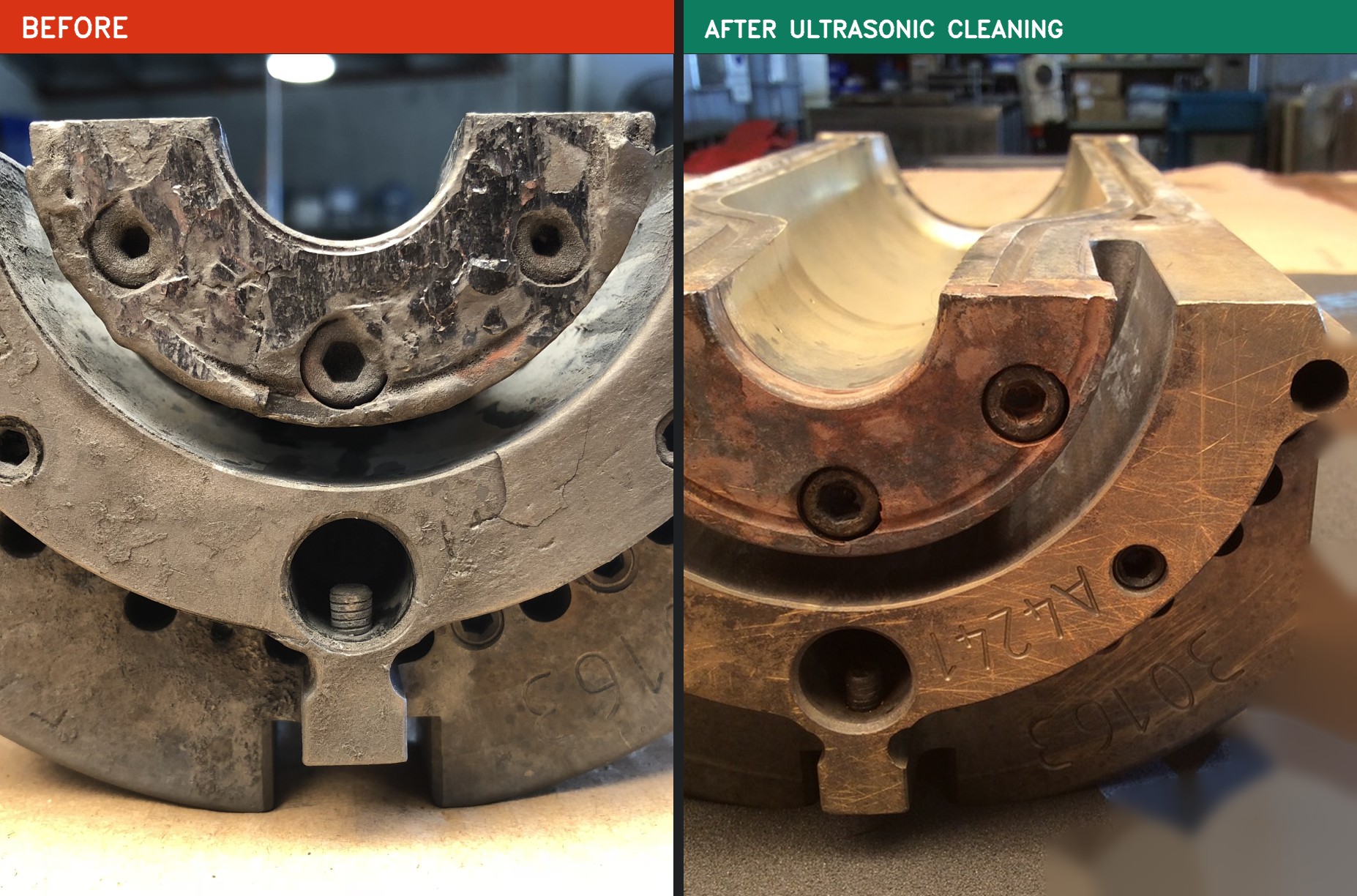
Neck-ring die segment before and after ultrasonic cleaning
The same die segment — serial 30163 stamped on both shots — as it arrived, and after ultrasonic cleaning. Carbon and baked residue gone from the clamp face and cavity, with no abrasion and no dimensional change. — click to enlarge
The endpoint is a defined, repeatable process condition — cycle time, chemistry, concentration, frequency and temperature are recorded parameters, not operator judgement.
Trial Evidence

Mould tooling, before and after

Blow-mould and injection tooling photographed as it arrived and after a documented cycle. Drag the handle across to compare.

Blow mould base cone. Release agent and polymer burn on the forming face. The vents and the machined finish are the asset — nothing here was polished out.

Bottle cavity. Stained cavity to a readable surface. A blasted mould is a shorter-lived mould; this is the alternative.

Ejector pins in the die plate. Carbonised pins standing in their bores. Pins clean in place, so the plate does not have to be stripped to get them back.

Components We Clean

Real parts, real materials

Injection & blow moulds

Cavity sets, cores, vents and inserts — residue out of texture and vent slots without polishing dimensions away.

CavitiesVentsInserts

Die casting & hot work

Dies and tooling — carbonised films off without weld-repair-inducing surface damage.

DiesCoresSprue bushes

Castings

Aluminium and iron castings — sand out of cored passages, oxide off surfaces, no embedded media.

Cored passagesHousingsManifolds
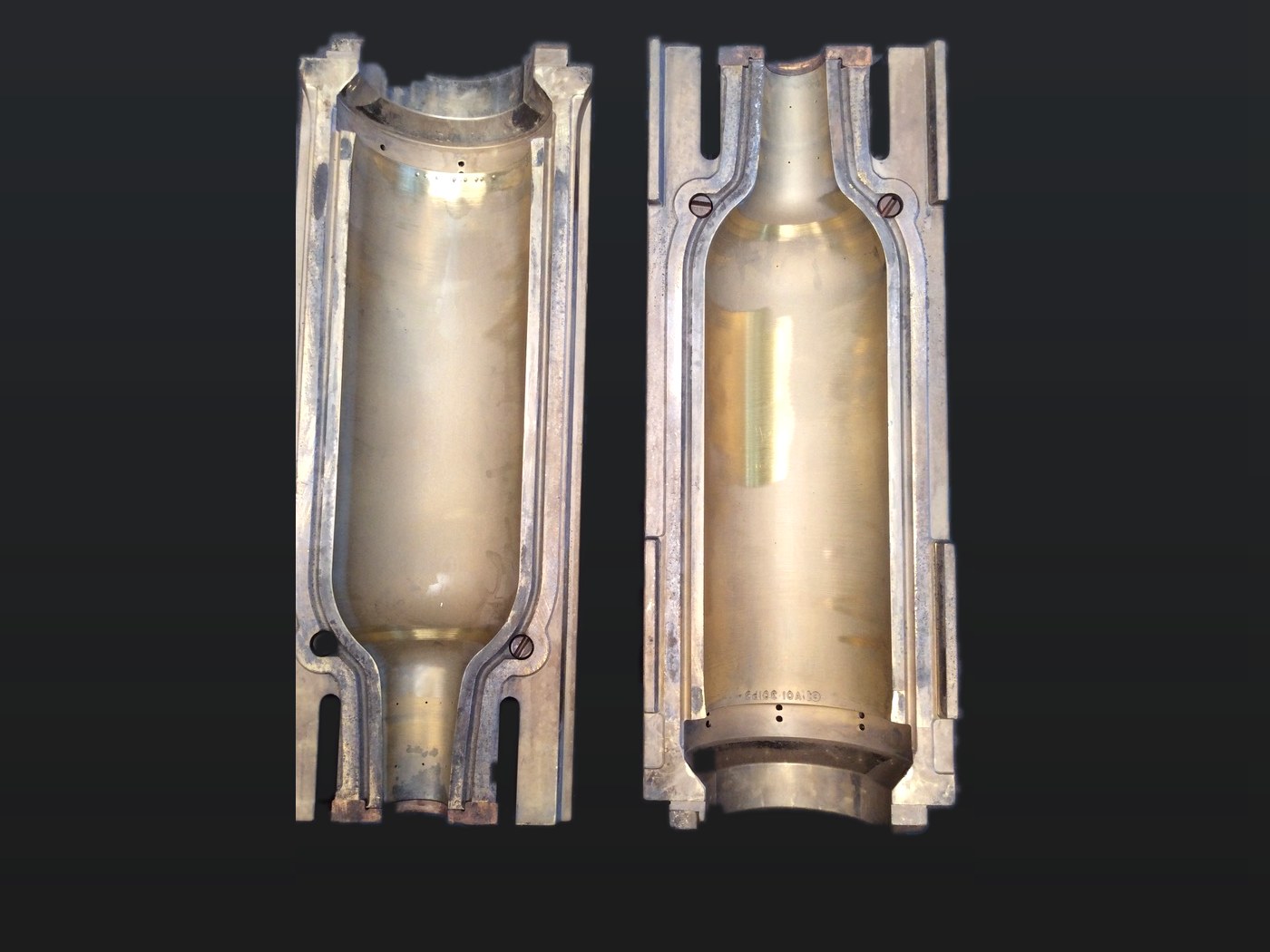
Glass bottle blow-mould halves, cleaned
A glassware blow-mould opened for service — polished cavity halves like these come through ultrasonic cleaning with carbon and release residue gone and not a mark on the mould face. — click to enlarge
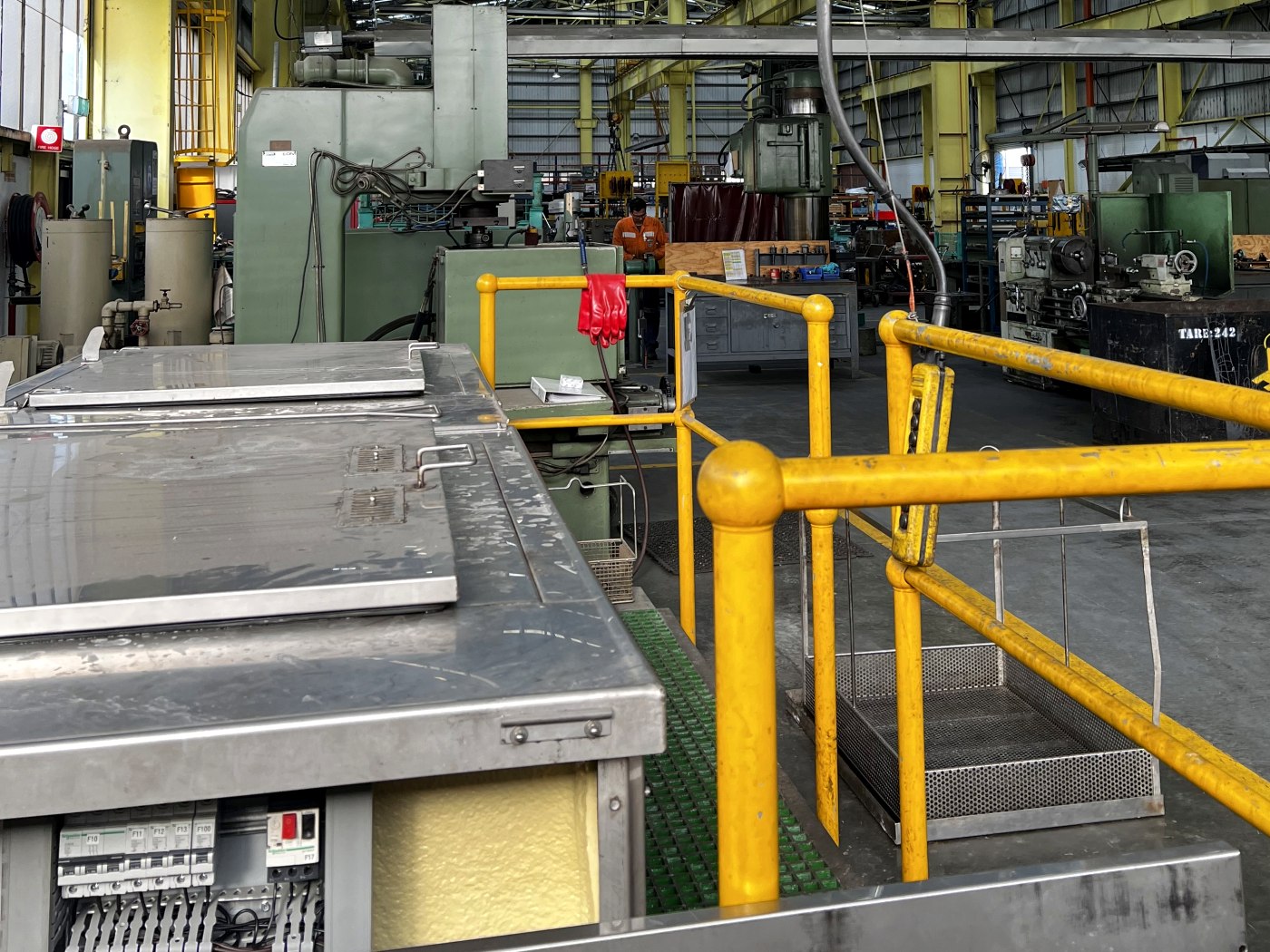
Twin-lid immersion cleaning tank installed in a heavy engineering workshop
Where the work happens — a twin-station immersion cleaning tank on the floor of a heavy engineering workshop, sized so mould and die sets go in whole. — click to enlarge
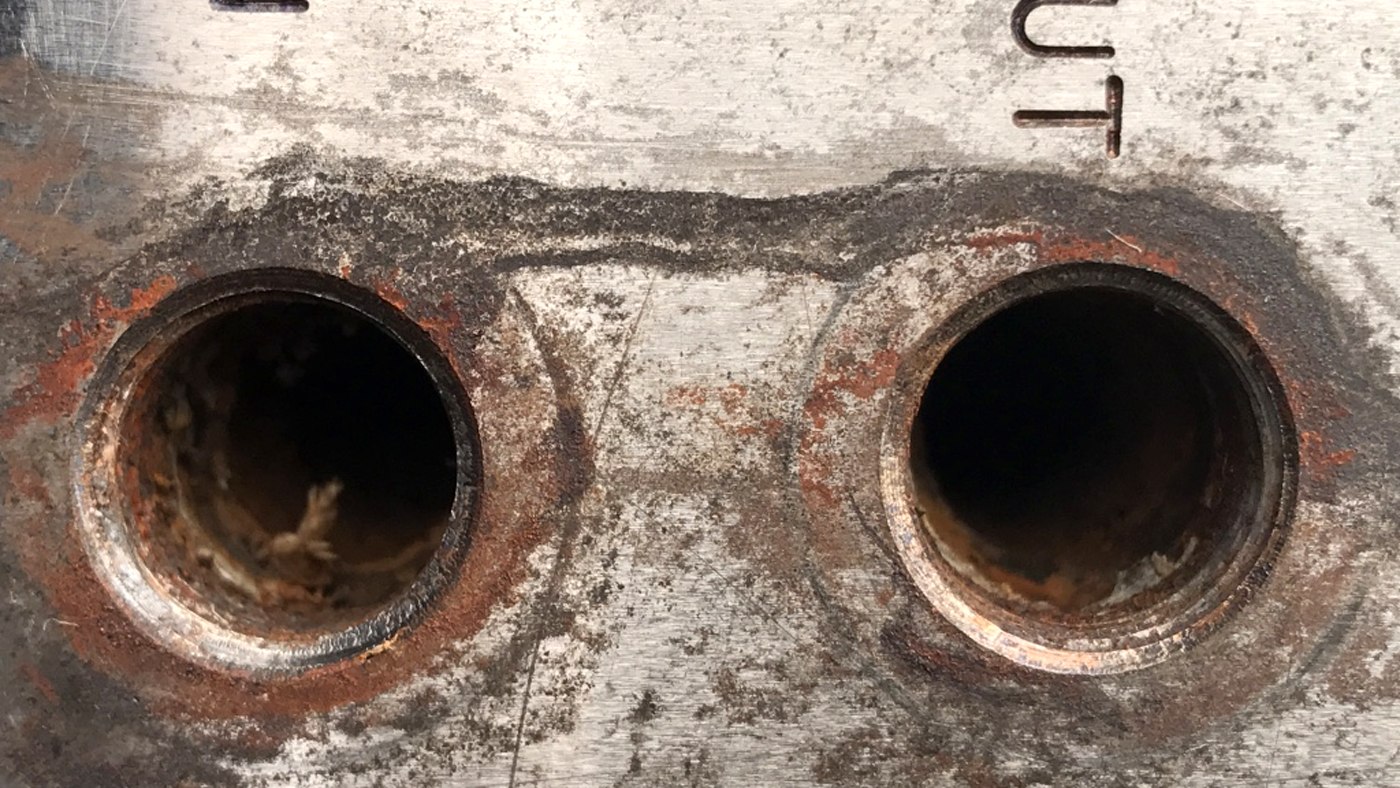
Corroded and scaled mould cooling ports before cleaning
Cooling ports, as they come off the press. Scale and corrosion in the water circuit is the failure no one sees until cycle times drift and the tool starts running hot — and it is not reachable with a brush. — click to enlarge
Why Ultrasonics — And Why These Machines

Cavitation cleans geometry it cannot see

Bubble collapse at the liquid–metal boundary lifts contamination from passages, galleries and cavities without anything touching the surface. Nothing abrades, nothing embeds, no metal is removed.

GeneratorResonance held all shift

The VarioSonic G5 tracks the transducer array as temperature and load shift — conversion efficiency up to 95%.

Sound fieldSweep modulation

Eliminates standing-wave hot and cold zones across a loaded basket.

Process controlLogged, recipe-driven cycles

Stored recipes and logged cycles — audit evidence produced as a by-product of running.

Bath conditionFiltration & oil separation

Multi-stage filtration and weir oil capture hold results steady as the bath loads.

SupportOver-the-air diagnostics

Most faults identified — many resolved — without a site visit.

ConstructionBuilt to work hard

Heavy 316 stainless tanks, tested before despatch, every wearing part replaceable.

Equipment Fit

The machine follows the process

From manually loaded single-tank units to automated lines — and engineered systems where the catalogue ends.

MSX

Toolroom platforms for mould maintenance.

Explore the range →

EvoSonic

Heavy platforms for large dies and castings.

Explore the range →
Chemistry

Matched to the soil and the substrate

Mould chemistry must strip resin and release films while protecting polished cavity steel and aluminium — inhibited, temperature-controlled, and proven on a sacrificial insert first.

Applications Matrix

Component coverage at a glance

Component categorySpecific parts / assembliesCompatible materials
Injection mouldsCavities, cores, slidesTool steels, polished finishes
Blow/thermoformBlank moulds, toolsAluminium, tool steel
Die castingDies, cores, shot hardwareH13, hot-work steels
Rubber toolingCompression and transfer mouldsTool steels, chrome plate
CastingsBlocks, housings, manifoldsAluminium, cast iron
Foundry hardwareCore boxes, patterns hardwareSteels, aluminium

Prove it on your parts

Where an application needs validation, we clean sample components in our laboratory, document the result, and specify the machine around the verified process. If ultrasonics is the wrong answer, the trial shows that too, and we will tell you.

Talk to an engineer
FAQ

What molds engineers ask us

Will it dull a polished cavity?
No — cavitation removes deposit, not steel. That is the argument against every abrasive alternative.
Can vents and texture be cleaned without opening them up?
Yes — cavitation works inside vent slots and texture where hand cleaning cannot go and peening should not.
How fast between production runs?
Mould-set cycles run inside a changeover window; the trial gives the real number.
Is chrome-plated tooling safe?
With correctly selected chemistry, yes — confirmed on your tooling first.
Related Industries · Manufacturing & Process

Also in this sector