Melt filter discs: from consumable to rotating stock
The in-house UltraWash recovery cell that restored blinded 70–150 µm filter discs to near-original flow — and the £75,328 annual arithmetic behind it.
6 min readBy Misonics application engineers
Polymer recycling and extrusion lines burn through melt filter discs — Erema, Ettlinger, MAS, Gneuß, Fimic — at thousands of dollars a disc, because the laser-drilled holes that filter at 70–150 µm cannot be cleaned by hand, solvent or burnout without damage. This study documents the in-house ultrasonic recovery cell that turned disc replacement into disc rotation — with independently calculated annual savings of £75,328 for a mid-size line.
Industry
Polymer recycling · extrusion
Components
Laser and sintered melt filter discs, 70–150 µm
Contamination
Degraded polymer · carbonised melt · pigment
Machine
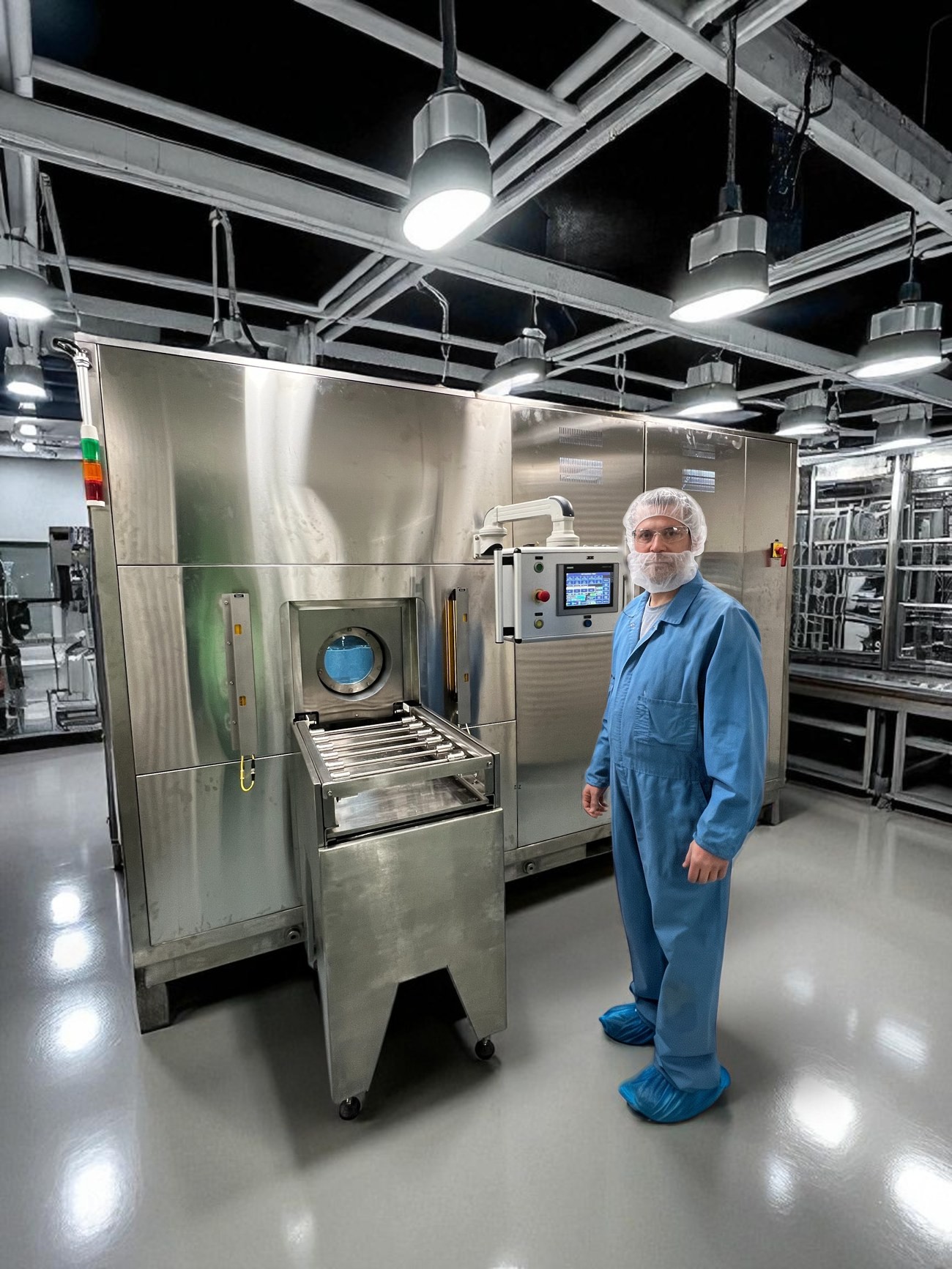
Misonics UltraWash multi-stage
Chemistry
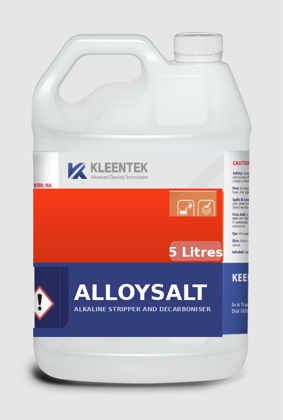
High-alkaline saponifying strip
Outcome
Discs recovered to near-original flow
The contamination
Blocked filtration holes
Polymer forced into thousands of 70–150 µm laser drillings under melt pressure — the fouling that raises pressure drop and ends the disc’s service interval.
Carbonised melt
Polymer run hot and long degrades to carbon inside the pores. Burnout ovens attack it by damaging the disc metallurgy; solvents leave residue in the hole walls.
Pigment and additive packing
Masterbatch pigments and fillers pack the pore throats — a soil no brush reaches, in a geometry only cavitation enters at working strength.
The process
Process diagram
Parameter
Value
Machine
Misonics UltraWash multi-stage, sized to disc stack
Chemistry
High-alkaline saponifying strip at elevated temperature
Cycle
Established per application
Verification
Bubble-point (pore integrity) + flow-rate vs new-disc baseline, logged per disc serial
Recovery rate
Typical 70–85% of new-disc flow
The savings
£75,328 annual saving calculated for a mid-size recycling line. The workbook compares outright replacement and external cleaning services against the in-house cell — media, freight, downtime and labour included.
Discs last 2–4× longer. Recovered on rotation before terminal fouling, discs stop being consumables and become rotating stock with a known recovery rate.
Pressure drop returns to baseline. Restored flow means the extruder runs at design throughput instead of fighting a blinding filter.
Independence from external services. No freight, no queue, no supplier schedule — the recovery cell runs when the line needs it.
BEFORE — disc face blinded with degraded polymer (photo from customer trial to be added)
AFTER — same disc post-recovery: drillings open, flow restored
Hardware and chemistry
Misonics UltraWash
Heated soak, ultrasonic extraction, rinse and dry in one enclosed sequence — the complete recovery cell in one machine footprint.
The verification is the product. Bubble-point plus flow-test per disc serial is what lets purchasing treat recovered media as stock — the numbers end the argument about whether recovered discs are trustworthy.
Cost the recovery cell against your media spend
Send us six months of disc invoices and a fouled disc — the arithmetic and the trial do the rest.