The most expensive mistake in ultrasonic cleaning is treating the tank as a magic box that forgives everything thrown into it. Cleaning is a process — and the tank is one stage of it.
Walk into a workshop with an underperforming ultrasonic tank and you can usually diagnose it from the doorway: parts going in wearing a centimetre of grease, a bath the colour of espresso, and an operator wondering why the "expensive machine" stopped working. Nothing is wrong with the machine. Something is wrong with the process — specifically, there isn't one.
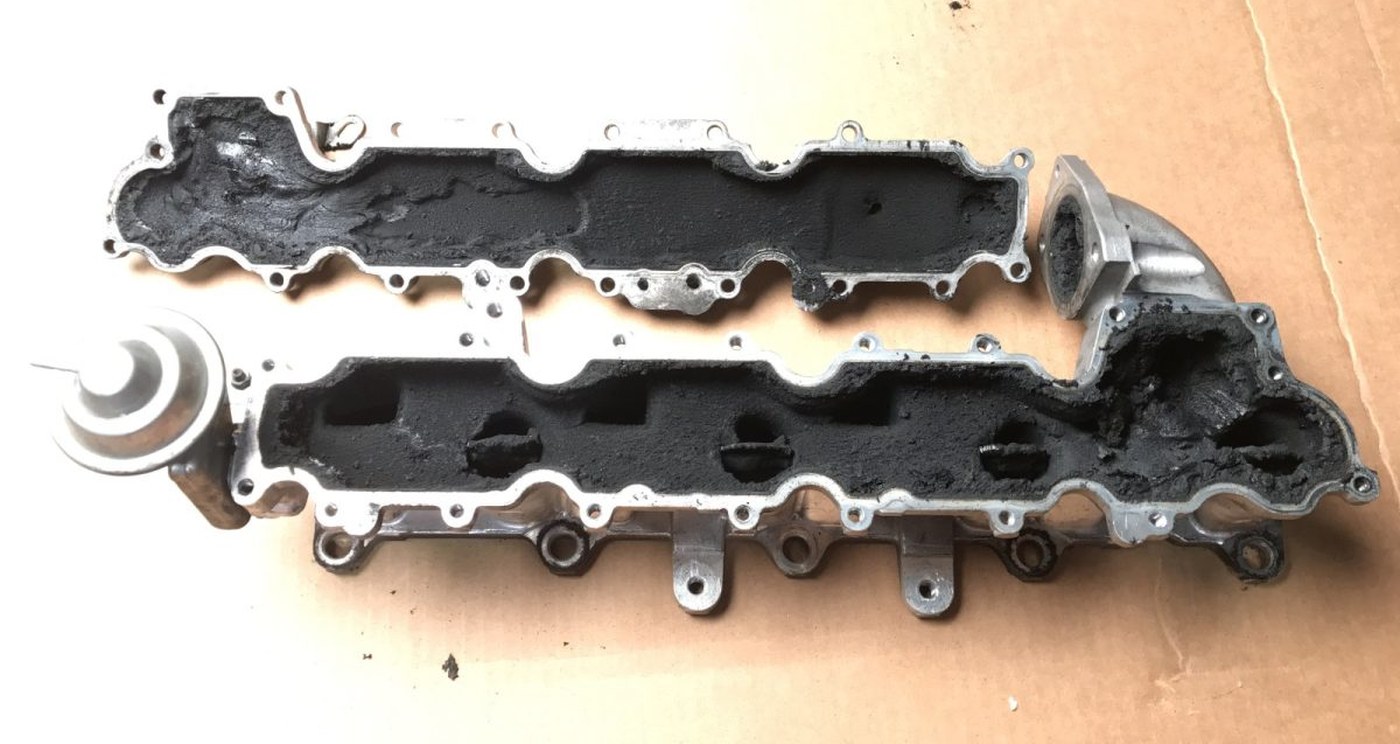
Here is the uncomfortable truth about heavy grease: your ultrasonic bath will remove it — and charge you dearly for the privilege. A fist-sized lump of grease dissolved into the bath consumes chemistry, loads the filtration, blankets the weir and coats the next ten baskets in a film of what came off the last one. The tank did its job; the process failed it.
Anything you can remove in thirty seconds with a rag, scraper or pre-wash does not belong in the ultrasonic tank. The tank is the precision stage — spend its energy on the contamination only cavitation can reach, not on bulk soil a wipe would have taken.
For genuinely filthy work — engine sumps, gearbox internals, decades of cosmoline — a dedicated pre-wash bath is the professional answer: a cheap, sacrificial first tank that takes the abuse, protects the main bath, and gets drained without a second thought. Two-bath shops clean more and spend less, every time.
With gross soil gone, the ultrasonic stage does what nothing else can: cavitation at temperature, driving matched chemistry into ring grooves, galleries and blind features. Everything in the first article happens here — and because the bath is not fighting a kilo of grease, it happens at full strength, cycle after cycle.
Parts leave the cleaning bath wearing a film of working solution — alkaline, loaded with dissolved soil, and never something to dry onto a finished surface. The rinse removes it. Tap water does the bulk of the job; DI water finishes it where spotting or downstream coating matters, because tap water's dissolved minerals stay behind when the water leaves. On ferrous work the rinse is also where flash-rust protection can be dosed — protection applied and dried in one pass.
A freshly cleaned ferrous part is chemically naked — its protective films are exactly what you removed — and it will begin flash rusting within the hour. Inhibitor in the final rinse or as a dip, then hot-air drying with the protection already on the surface, closes the process the way it deserves. Parts arrive at assembly the way they left the tank.
Skipping Stage 0 costs you: chemistry (consumed on grease a rag would have taken), bath life (changeouts weekly instead of monthly), cycle time (the tank fights bulk soil before it touches the fine work), quality (an oil-loaded bath re-coats every basket), and filtration (blinded bags, choked weir). The thirty-second wipe is the best-paid work in the building.
Process discipline sounds like housekeeping until you cost it. A pre-wipe plus staged pre-wash typically multiplies main-bath life three to five times; inhibitor in the rinse eliminates the flash-rust rework loop entirely; and a lidded, titrated bath turns chemistry from a weekly purchase into a monthly one. None of this needs capital — it needs the five stages taken seriously for one week, after which the numbers argue for themselves.
Typical main-bath life extension when gross soil is staged out through pre-wipe and pre-wash instead of dumped into the precision tank.Misonics application experience across rebuild and processing accounts.
Process discipline reads as preaching until you cost it. A rebuild shop feeding unwiped sump components into a single tank typically changes its bath weekly and fights film re-deposit daily; the same shop running a thirty-second wipe plus a sacrificial pre-wash stage stretches its precision bath past a month, cuts chemistry spend by half or better, and stops apologising for its finish. The stages are not bureaucracy — they are where the money is.
Before/after bath-life and chemistry-spend figures from a Desludge + precision-bath conversion.
To be created — add to case-study production listCM-800 installation — staged cleaning in food-plant duty.
Read the study: staged cleaning at plant scale →This is why our engagements start with your parts and your soil rather than a catalogue page — the number of stages, the chemistry per stage, and the machine that carries them are outputs of the process, not starting points. Sometimes that means one tank and a rag; sometimes a pre-wash, a precision bath, twin rinses and a dryer in a line. The cleaning trial documents the whole sequence before you commit to any of it.
The trial maps your full sequence — pre-clean to protected part — and prices the honest version, not the fantasy.