Every cleaning operation sits somewhere on a line that runs from an operator with a basket to a lights-out production cell. Moving along that line is not about prestige — it is about throughput, repeatability and what an auditor will accept. Here is the whole spectrum, honestly costed, with the signals that say it is time to move.
Operator loads, sets, unloads. Perfect for varied low-volume work — flexible, cheap, nothing to program. Its ceiling is consistency and labour: results vary with attention, and a paid person stands beside a machine that works unattended. When the same parts recur daily, you have outgrown it.
SonoLift-class platforms add powered vertical agitation and programmed immersion — floods blind geometry (№11), evens results, removes the heaviest lifting, keeps the operator for loading judgment. The best value-per-dollar step on the whole line: most manual shops belong here and don't know it.
Wash, rinse and dry stations side by side with guided transfer — UltraKleen-class in-line configurations. The process (№3) becomes physical stations instead of operator memory; cycle logging begins; throughput doubles without a robot in sight.
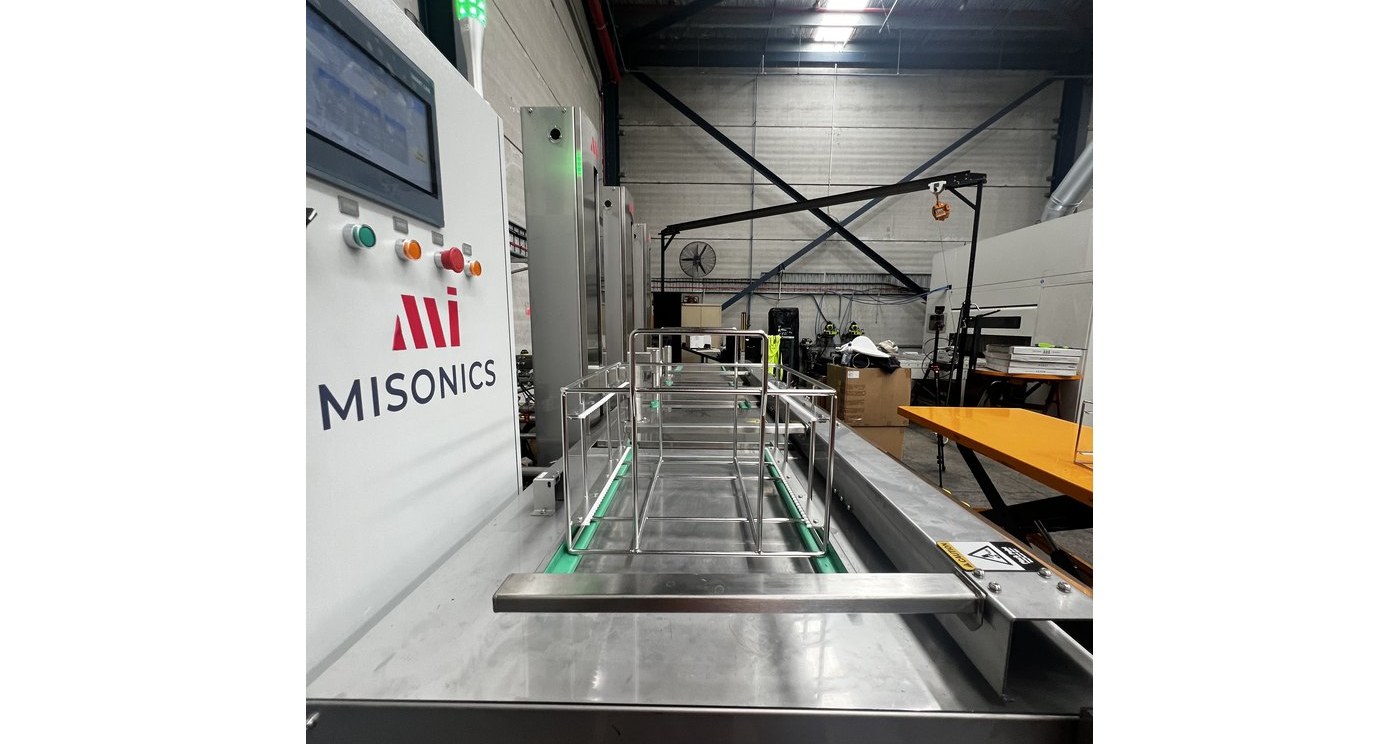
Programmed basket transfer through stages on an automated carriage: load at one end, collect finished at the other. Every basket gets the identical process — identical immersion, identical timing, logged — at production rhythm, unattended between ends. This is where "our cleaning is operator-dependent" stops being true, and where lines feeding coating, assembly or inspection find their takt.
The full sequence — spray, immersion ultrasonics, rinse, hot-air dry — inside one enclosed machine with a single load door. Solvent-tight process control, minimal floor footprint, one-button operation, full cycle records. The specification answer for aerospace, defence and anywhere the process itself is audited.
1) The same part family recurs weekly. 2) Results vary by operator or shift. 3) Someone downstream — customer, auditor, coating line — asks how you prove the clean. Any two of the three, and the next stop pays for itself.
The quieter number is variance: scrap and rework track operator dependence almost linearly, and the stops from SonoLine rightward take variance to near zero because the machine cannot have a bad afternoon. Cost automation against rejects and audit exposure, not wages alone, and stop 4 pays for itself in more shops than admit it.
The MRC line — throughput, consistency and the before/after that sells stop 4.
On file — to be written up: Case Studies/Cummins Master Rebuild Centre (MRC)BECampbell CM-800 installation — industrial-scale staged automation in food duty.
Read the study: CM-800 in a meat plant →Automation buys three things: labour released to skilled work, variance removed from results, and documentation generated as a by-product. It does not buy better cleaning than a perfect operator on a good day — it buys that operator's best day, every cycle, forever. Cost it against your reject rate and your audit exposure, not just the wage line, and the spectrum usually recommends itself.
Throughput sells automation; variance justifies it. Manual cleaning results spread with attention, fatigue and shift — and every downstream process inherits the spread. Programmed handling collapses it: identical immersion, identical timing, identical results, logged. For coating lines, assembly and audited work, that collapse is worth more than the labour saved — rejects and rework are where the spread was hiding its cost.
A SonoLine carriage runs the same programmed immersion, transfer and timing for every basket — variance leaves the process, and the log proves it.SonoLine automated transfer platforms; cycle records per basket.
Numbers make the spectrum concrete. A transmission rebuild shop runs 30 baskets a day through a manual tank: attended at roughly 20 minutes a basket, that is ten operator-hours daily — effectively one full wage doing nothing but standing at a tank, before counting the variance costs of rushed Friday cycles and skipped rinses. A SonoLine-class transfer system takes the attended time to load-and-unload only — call it three minutes a basket, an hour and a half a day — and returns eight-plus hours of skilled labour to actual rebuilding. Against a wage line alone the payback lands within a couple of years; add the quieter lines — rework from inconsistent manual cycles, the audit trail generated free by logged automatic cycles, the recruiting reality that nobody skilled wants the tank job — and it shortens fast. That is also the honest test in reverse: the same arithmetic at six baskets a day says stay at stop 1 or 2 and spend the difference on a better tank, better chemistry and a weir.
The transition costs that surprise are process, not machinery: automation freezes your process, so the cycle that gets programmed must be the verified trial cycle, not the folklore cycle the day shift argues about. Shops that automate a bad process get bad parts faster. The trial-first sequence — verify, document, then automate the documented thing — is the difference between buying consistency and buying a very expensive way to be consistently wrong.
The throughput study models your parts and volumes across the spectrum — and names the stop where the arithmetic turns.