Retire the solvent bucket
Every workshop has the bucket, the brush and the hour of knuckle work per carby. The bench ultrasonic replaces all three: parts in, chemistry on, ten minutes later the passages are clean — including the ones you cannot see.
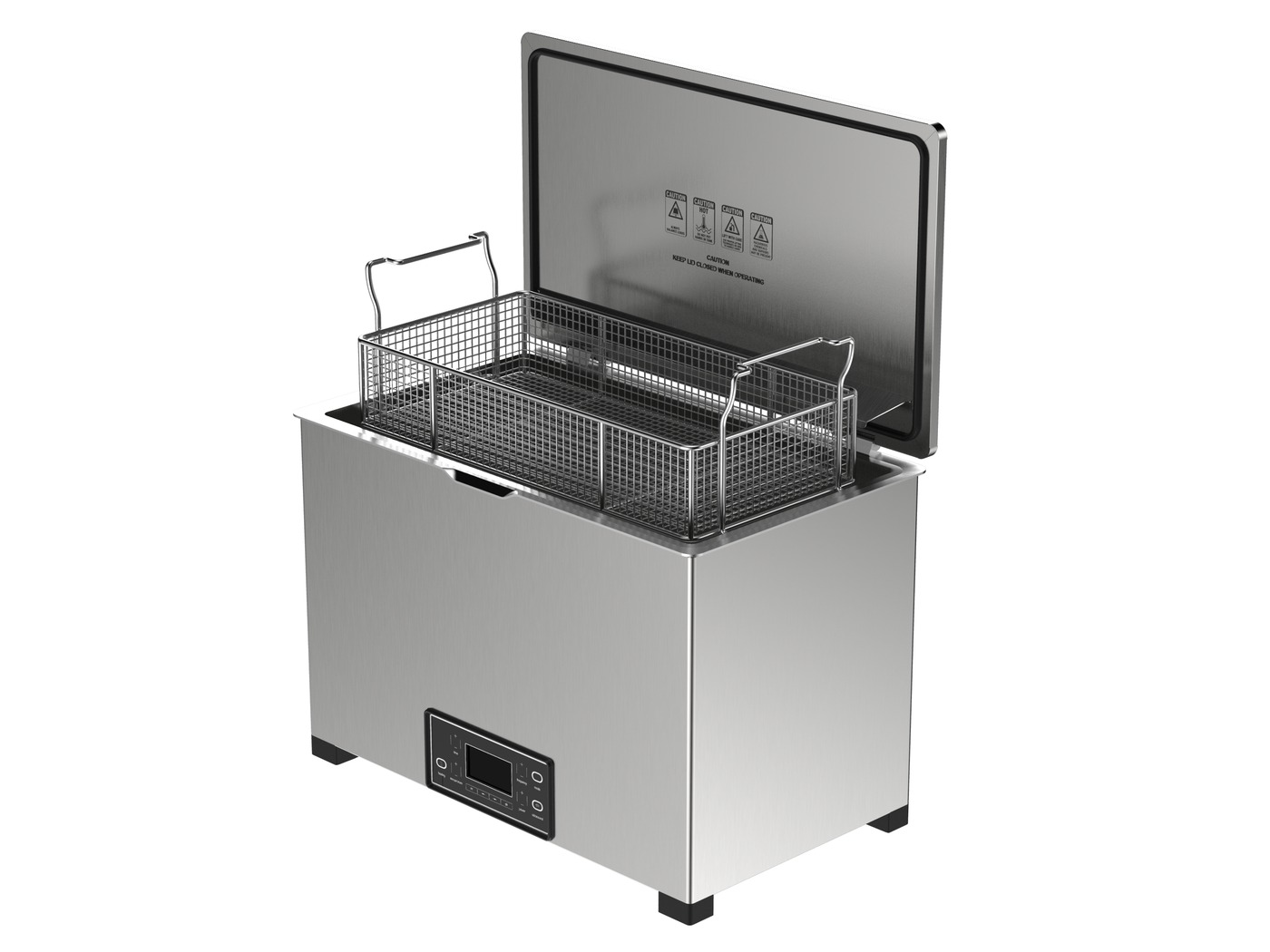
The workshop cycle
Knock heavy sludge off first — the tank is a precision cleaner, not a dumping ground (our process blog explains why this one habit doubles bath life).
Hot degreasing chemistry, Med–High power, 10–15 minutes: carbs, injectors, small engine parts — jets, galleries and emulsion tubes cleared from the inside.
Rinse, then inhibitor on ferrous parts — bare cleaned steel flash rusts the same afternoon in workshop humidity.
Blow dry, rebuild with clean hands on clean parts — the rebuild that actually holds tune.
What goes in the basket
Why workshops convert
The passages, not just the faces
A carby that looks clean and still idles rough has dirty drillings. Cavitation cleans the jets and galleries from inside — the difference between cleaned and rebuilt-right.
An hour becomes ten minutes
Unattended machine minutes versus billable knuckle time — the machine pays for itself in the first month of carby season.
Off the solvent
Aqueous chemistry in a lidded tank instead of an open solvent bucket: better air, better skin, better WHS conversation.
The machines workshops buy
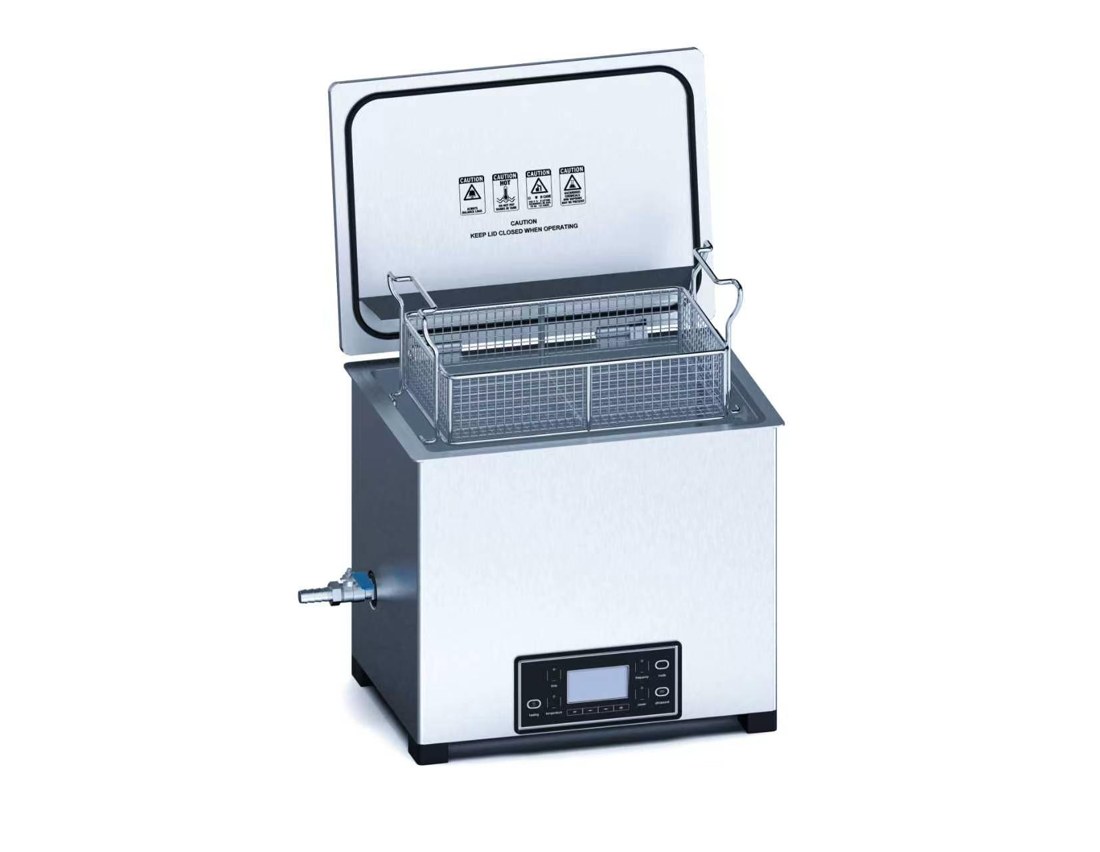
MSX 15
Injectors, single carbs and daily trays — SS316 tank, recipes, 8 kg basket.
View or buy →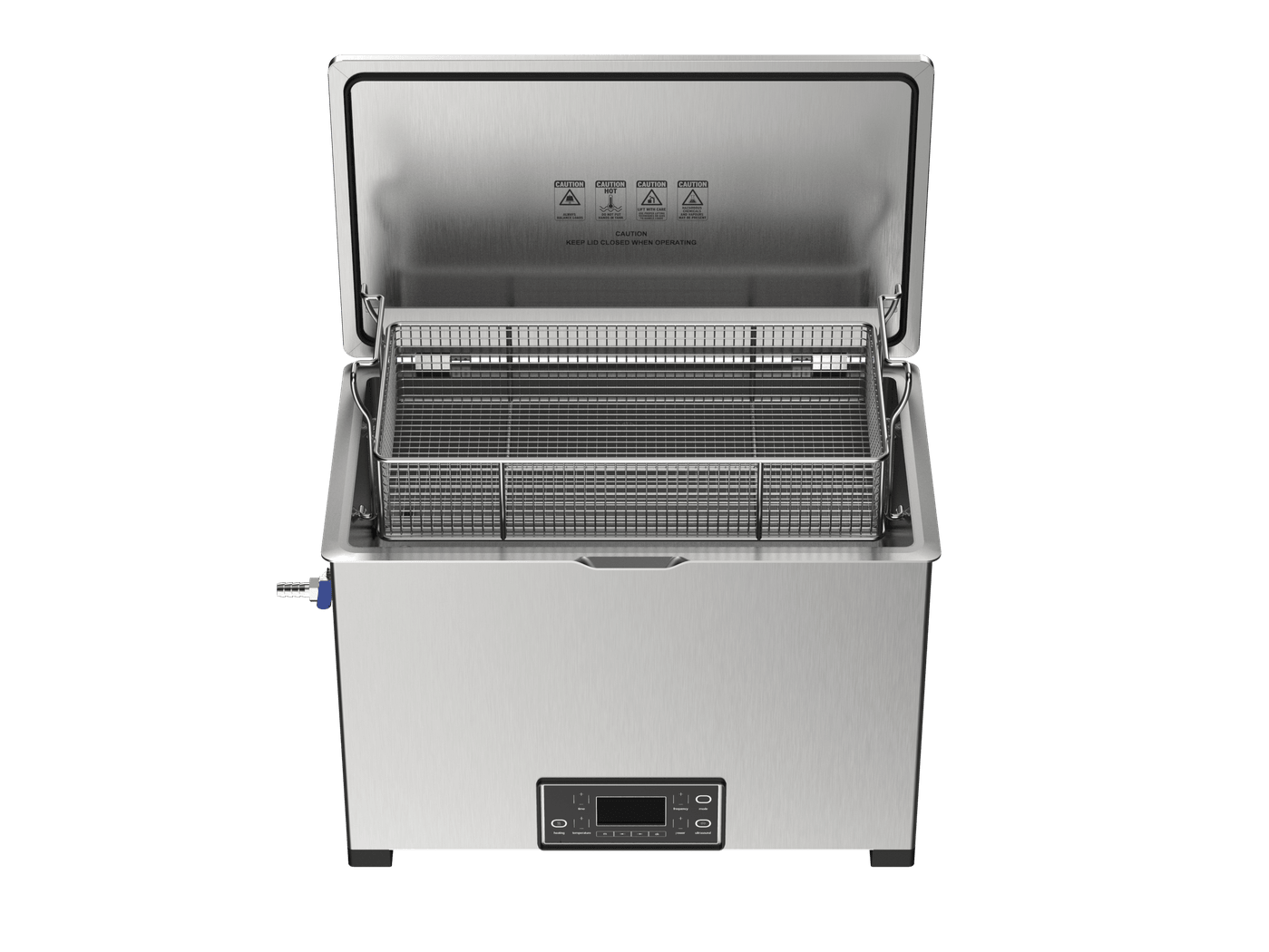
MSX 30
Dual 25/45 kHz: demolition and finishing in one programmed cycle — 490 mm basket, 12 kg.
View or buy →Comparing machines first? See the ultrasonic parts cleaner guide, the parts washers comparison and the ultrasonic carburettor cleaner for carburettor cleaning page. Outgrowing the bench entirely? The MSX floor-standing range carries the same platform to 240 litres, with factory oil management on the big tanks.
Typical starting cycle — refined in your first week
| Carburettors, aluminium | AquaVantage 1696 GD at 5% · 55 °C · 5 minutes, then check |
| Steel and iron parts | FX Degreaser at 10% · 45–65 °C · 10–15 minutes |
| Power | Medium–High |
| Then | Rinse · anti-rust on ferrous · dry |
Starting points only — part condition, chemistry and load set the final card. We help you dial it in.
Asked every week
Will it clean a gummed-up carburettor?
Aluminium safe?
Can I just use water and dish soap?
Why do parts rust straight after cleaning?
What size do I buy?
Cleaning car parts? See the ultrasonic cleaner for car parts page for machine sizes and chemistry.
Best ultrasonic cleaner for a trade workshop: the shortlist
Three picks for carburettors, injectors and the daily tray, by the biggest part you clean each week.
Dual 25/45 kHz in one programmed cycle, 490 mm basket, 12 kg load, runs from a 10 A socket. Carburettor banks and throttle bodies whole.
Injectors, single carburettors and the daily tray. SS316 tank, stored recipes, 8 kg basket.
1696 GD at 5% and 55 °C for five minutes, then check. FX at 45–65 °C for oil and grime on ferrous parts, with an Anti-Rust dip after.
Outgrowing the bench? The MSX floor range carries the same platform to 240 L. Read how to choose the best industrial ultrasonic cleaner and the best ultrasonic cleaning solution for each job.
What are you cleaning?
Tell us what the part is, what comes off it, and what it has to pass. Technical sales will tell you whether ultrasonics is the right answer for that part and what it takes to run it on your own floor.