Prove it in your workshop. Pay by the week.
A rented machine answers the question a brochure never can: does it clean your parts, at your throughput? Rent from $63 a week on a twelve-month term, and if it earns its place — keep it, upgrade it, or buy it.
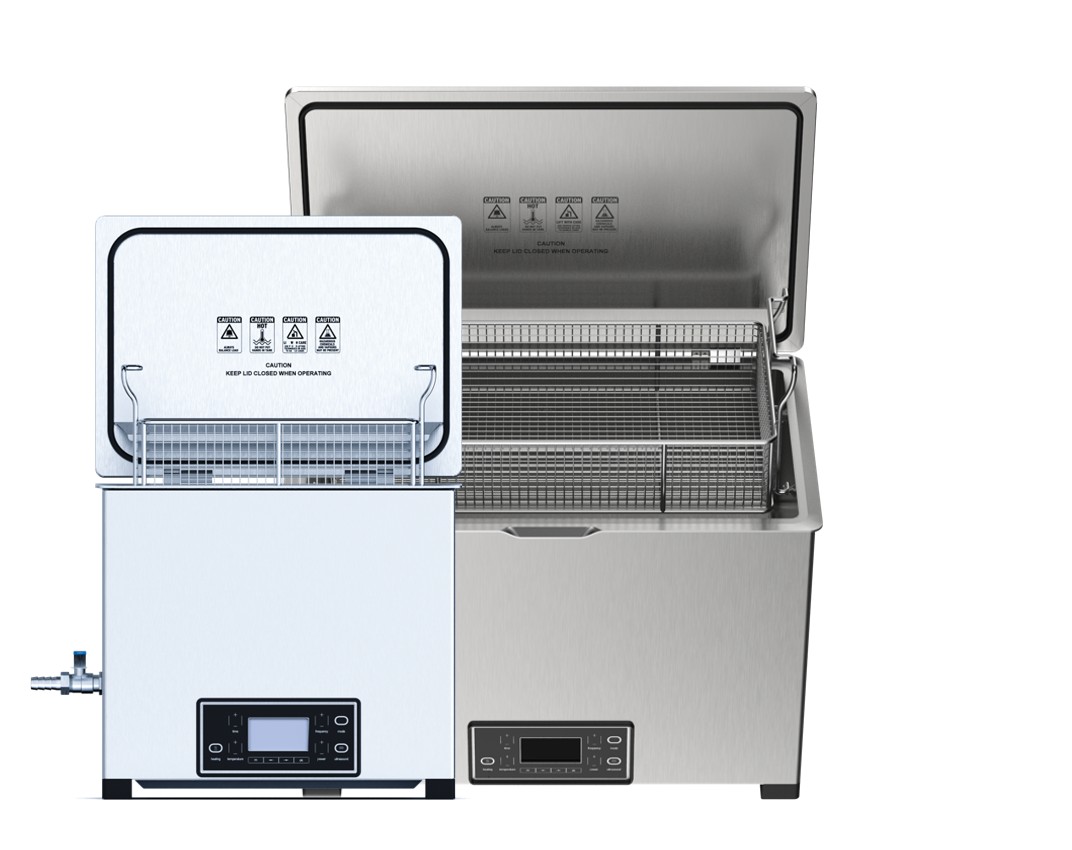
The machine proves itself before it costs capital
Our cleaning trial shows the process works in our laboratory. A rental shows it works in your production — same operators, same parts flow, same Mondays. Between them, the purchase decision stops being a leap and becomes a formality: by the time you buy, the machine has already been earning its keep for months.
Cash flow stays in the business
Weekly payments instead of a capital approval — the machine starts paying for itself before a purchase order would have cleared.
Zero maintenance anxiety
Normal-wear failures are covered, parts held in stock, replacement machines available. A rented machine cannot become a repair bill.
The upgrade path is open
Upgrade it when throughput grows, or buy it at a determined residual at any point in the term.
Deductible operating expense
Rental payments are an operating cost rather than a depreciating asset on the books. Ask your accountant how that lands for your structure.
Certified machines, every time
Every rental unit ships tested and tagged by a licensed electrician — and is serviced between customers.
Chemistry and process included in the thinking
Rentals are specified like sales: contamination first, chemistry matched, process documented. You rent a working process, not a box.
Rates — the MSX range
Rentals run on a twelve-month minimum term, and the rates shown are those rates. After the minimum term the agreement continues at the same rate until you end it on one month's written notice. Deposits are refundable on clean, undamaged return. All amounts in AUD ex GST.
| Model | Class | Per week | Per month | Security deposit | Cleaning deposit |
|---|---|---|---|---|---|
| MSX 30 | MSX industrial bench | $63 | $272 | $817 | $655 |
| MSX 50 | MSX industrial bench | $140 | $607 | $1,820 | $1,460 |
| MSX 70 | MSX industrial bench | $175 | $759 | $2,277 | $1,825 |
| MSX 140 | MSX industrial | $266 | $1,154 | $3,463 | $2,770 |
| MSX 150 | MSX industrial | $197 | $852 | $2,555 | $2,045 |
| MSX 240 | MSX industrial | $337 | $1,458 | $4,375 | $3,500 |
The cleaning deposit is 20% of the annual lease, shown above and refundable on clean return. Billing in advance, weekly or monthly; rent commences from the day the machine ships. Freight to site quoted at booking; return freight is the renter’s.
EvoSonic Heavy tanks, UltraMax systems and engineered lines — rented on application
Project rentals at production scale are priced per project, including installation and commissioning, on the same twelve-month minimum term.
Three steps to a machine on your bench
Tell us what you clean
Parts, contamination, throughput. We match the machine and chemistry — and if the fit is uncertain, a laboratory trial on your parts settles it first.
Sign, pay deposits, receive
Agreement signed, security and cleaning deposits paid, machine ships — tested and certified — with chemistry and process guidance.
Run it on your own work
The machine goes onto your parts, in your workshop, with the chemistry matched to the soil. If the process is right you already know it; if it is not, we change the chemistry or the machine.
From there the choice stays yours: continue, upgrade to a bigger machine as the backlog clears, or ask us for a residual value and buy it. Most renters who reach month six already know which one they are.
The three side by side
Each route suits a different balance sheet and a different level of certainty about the process. The general differences below are exactly that — general; speak to your accountant or adviser about your own circumstances.
Buying
Makes sense when the process is proven and the machine has a permanent place in production. The equipment sits on the balance sheet as an asset, with depreciation deductions over its life; finance is widely available against it.
Lowest lifetime costAsset on the booksCapital committed up frontLeasing
Preserves cash flow — little or nothing up front with the cost financed across the term, which can suit matching a machine to a specific contract or project. End-of-term ownership depends on the lease structure.
Cash flow preservedMatches cost to projectCommitted for the termRenting
Obsolescence and maintenance risk carried by us, on a twelve-month minimum term. Week-for-week it costs more than owning; that premium buys the cover, the flexibility to upgrade and the proof. Our answer to the trade-off: rent to prove, then buy — and the rental has already de-risked the purchase.
Buy-out at any pointMaintenance coveredHigher weekly cost than owningWhat you need to rent — and the form to start
What you need
Have these ready and approval is same-day in most cases.
The questions everyone asks
Do I have to pay a security deposit?
What if I want to return the machine before the term is up?
What if I want to keep the machine longer?
Can I buy the machine I'm renting?
What happens if the machine breaks down?
Who supplies the chemistry?
Who is responsible for disposing of used cleaning solution?
How does billing work?
Who pays return freight?
Are there charges when I return the machine?
Do you rent the larger industrial machines?
Full terms are set out in the Misonics Rental Agreement, provided before signing. Nothing here excludes rights under the Australian Consumer Law.
What to rent alongside the machine
Ready to put one on the bench?
Tell us the parts and the contamination — we will confirm the model, the chemistry and the rate the same day.