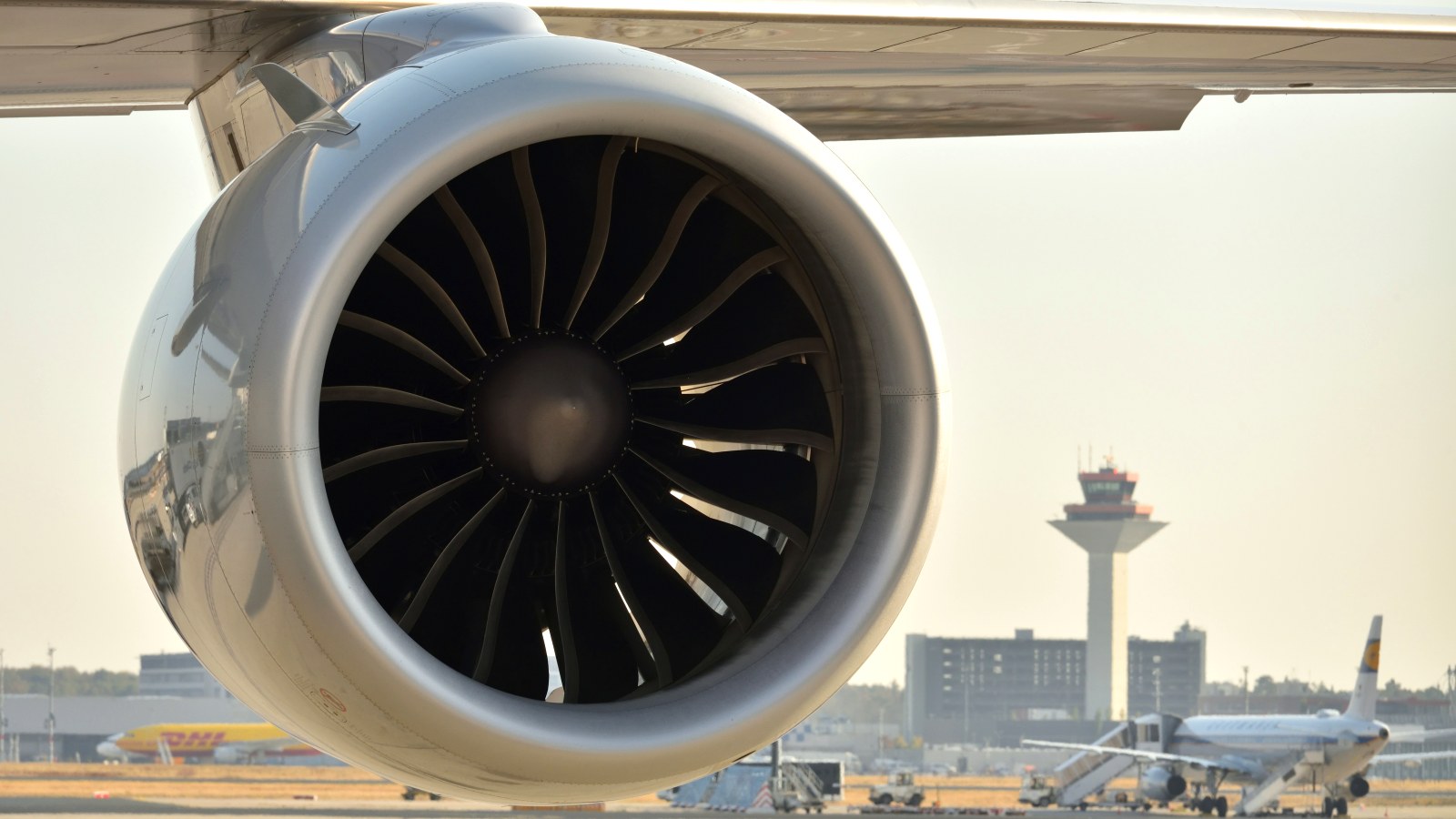
Aerospace cleaning is governed by the tightest cleanliness requirements in industry, applied to components that cannot tolerate the processes most workshops use to meet them. Fatigue-critical surfaces cannot be blasted. Cooling passages cannot be reached by hand. Every cycle must withstand audit.
Misonics supplies and supports systems for commercial aviation MRO, defence aviation sustainment, aerospace OEM manufacture and space propulsion — with a trial laboratory, Brulin chemistry carrying the approvals your quality system will ask about, and over-the-air support.
Coked onto injectors, combustion liners and turbine hardware — insoluble once polymerised.
Lacquered onto valve spools and actuator internals where tolerances are microns.
On hot-section alloys where removal must not touch parent metal.
Trapped in threads, galleries and blind features ahead of NDT or coating.
Accumulated in service on airframe and landing-gear assemblies.
Unfused powder in lattice structures and internal channels — unreachable by contact methods.
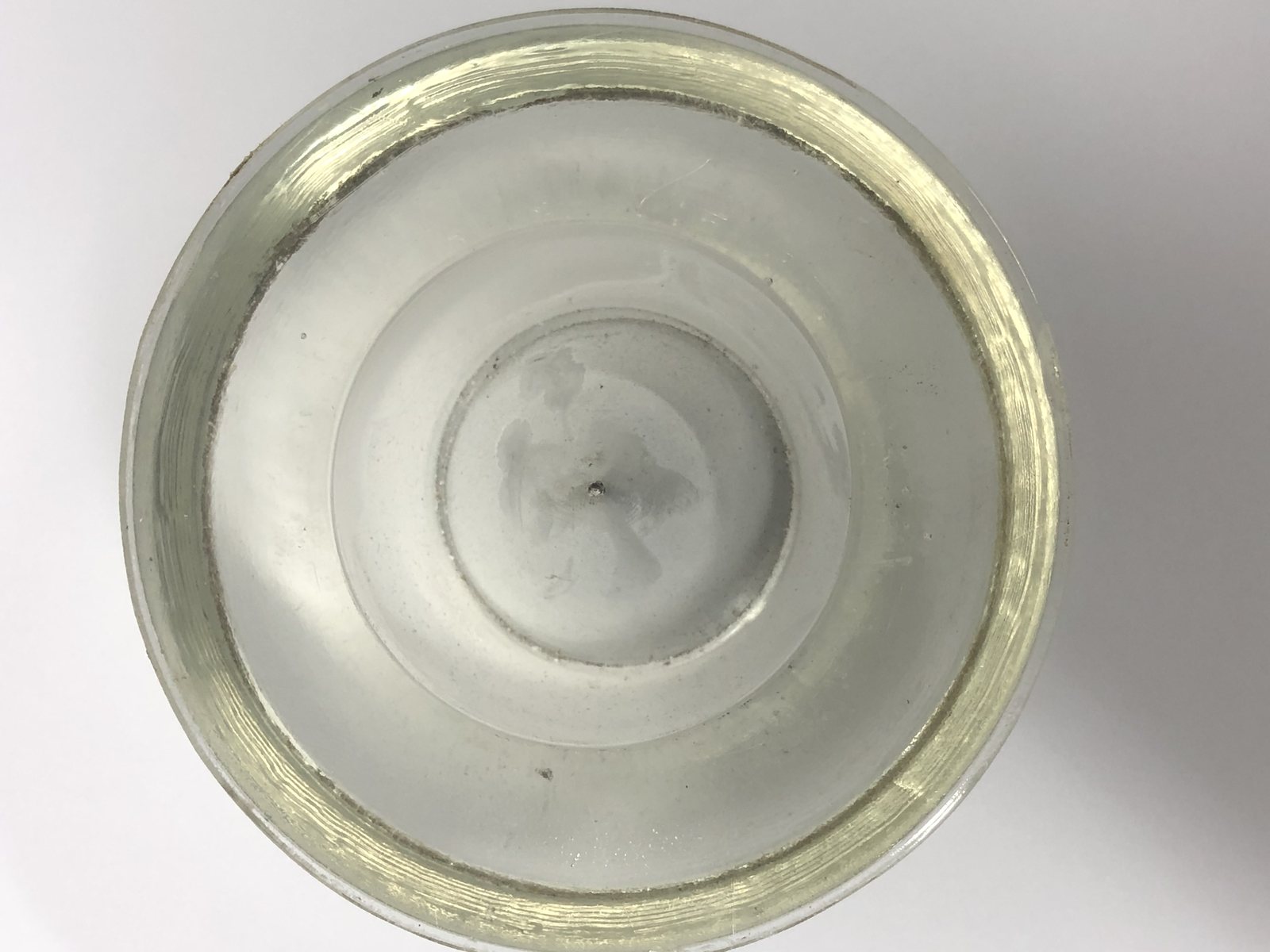
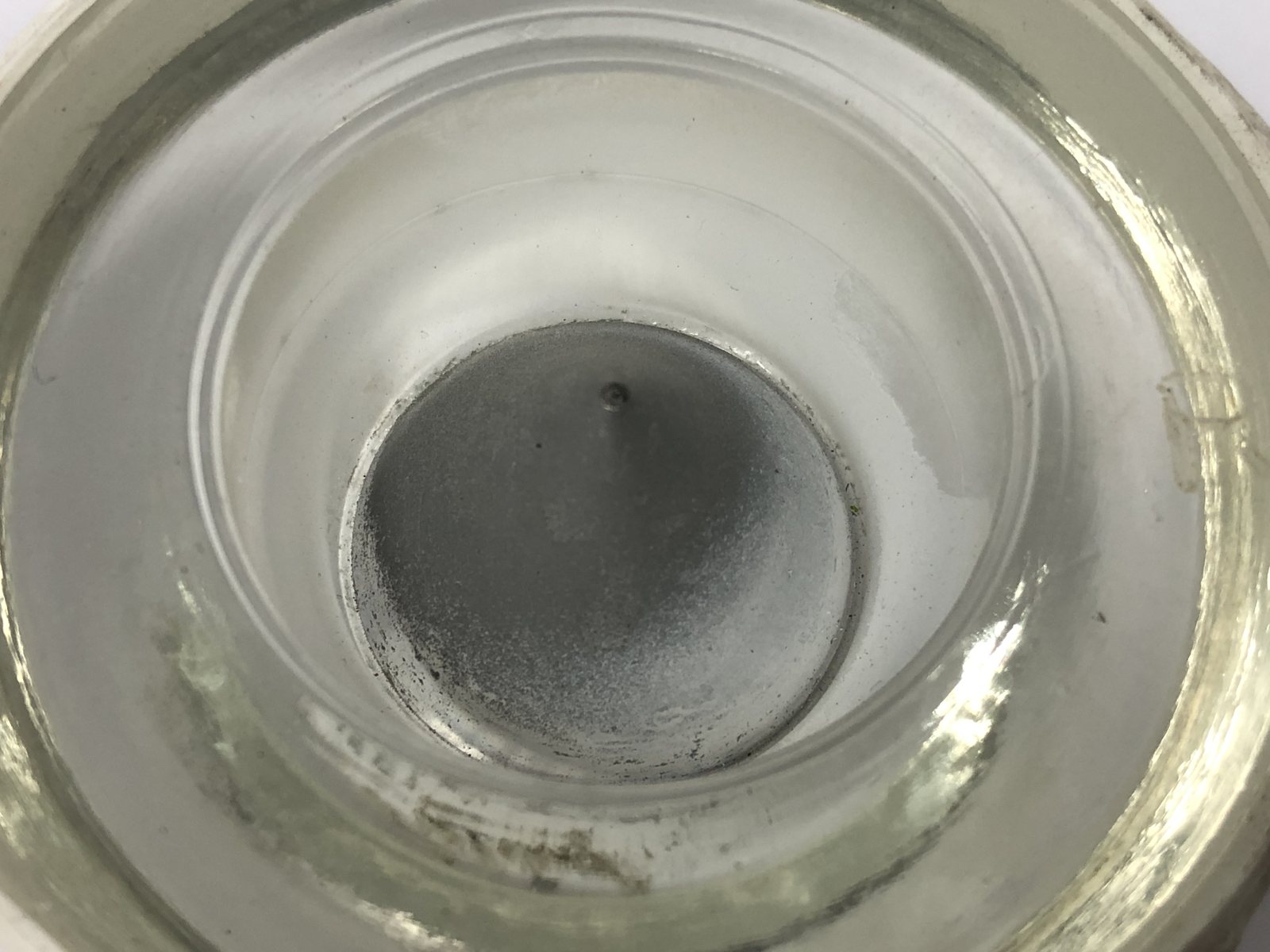
Airfield ground lighting optics off a major Australian aerodrome, photographed as they arrived and again after a documented twenty minute cycle.


Inset fixture lens, centre optic. Cooked tyre rubber, fuel residue and runway dust bonded over the only part of the lens doing optical work. Electro at 20% and 50 °C, twenty minutes, nothing touching the glass. See the full case study →
Turbine blades and vanes, combustion liners, fuel nozzles, bearing housings — internal cooling passages clean without dimensional loss.
Servo valves, actuators, pumps, landing-gear assemblies — varnish out without touching sealing surfaces.
Heat exchangers, oxygen components, fasteners and corrosion-prone assemblies — coating preservation as important as cleanliness.
Machined and AM components ahead of inspection, coating or assembly — including powder removal from lattices.
Bubble collapse at the liquid–metal boundary lifts contamination from passages, galleries and cavities without anything touching the surface. Nothing abrades, nothing embeds, no metal is removed.
The VarioSonic G5 tracks the transducer array as temperature and load shift — conversion efficiency up to 95%.
Eliminates standing-wave hot and cold zones across a loaded basket.
Stored recipes and logged cycles — audit evidence produced as a by-product of running.
Multi-stage filtration and weir oil capture hold results steady as the bath loads.
Most faults identified — many resolved — without a site visit.
Heavy 316 stainless tanks, tested before despatch, every wearing part replaceable.
From manually loaded single-tank units to automated lines — and engineered systems where the catalogue ends.
The Brulin range carries approvals from Boeing, Airbus, Rolls-Royce, Pratt & Whitney, GE Aviation, Lockheed Martin and NASA — BAC 5749, BAC 5753, PS 12024, with passivation to AMS 2700, ASTM A380/A967. You are specifying a chemistry that is already approved, not qualifying a new one.
| Component category | Specific parts / assemblies | Compatible materials |
|---|---|---|
| Turbine hot section | Blades, vanes, liners, nozzles | Ni superalloys, cobalt alloys |
| Fuel systems | Injectors, manifolds, pumps | Stainless, titanium, aluminium |
| Hydraulics | Servo valves, actuators, struts | 300M/4340, 15-5PH, Ti-6Al-4V |
| Heat transfer | Exchangers, oil coolers | Aluminium, stainless, CuNi |
| Oxygen systems | Regulators, valves, fittings | Brass, stainless, polymers |
| Additive manufacture | Lattices, cooled components | Ti-6Al-4V, AlSi10Mg, Inconel AM |
Where an application needs validation, we clean sample components in our laboratory, document the result, and specify the machine around the verified process. If ultrasonics is the wrong answer, the trial shows that too, and we will tell you.