Qualification is the product
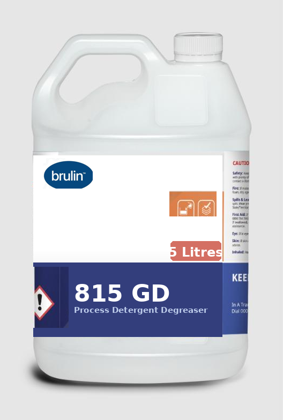
Any chemistry can claim to clean. What 815 GD carries is different: four decades of aerospace OEMs writing it into their process specifications — Boeing alkaline cleaning, Airbus approved-cleaner listings, Rolls-Royce and Pratt & Whitney overhaul manuals, Lockheed, Sikorsky, SNECMA. When your customer audits your process, the chemistry line is already answered.
The chemistry earns the paperwork. Mildly alkaline (pH 12 concentrate, inhibited), it cavitates superbly and separates oil instead of emulsifying it — released oils rise to the weir, the bath stays clean, and bath life extends accordingly.
Free-rinsing means what it says. Some cleaning chemistries leave a sticky residue film that clings to the part after rinsing — hard to remove, and a real problem when the next step is coating, bonding or inspection. 815 GD rinses away completely: no film, no coating, a genuinely water-break-free surface that the next process meets clean.
And it protects what it cleans. A built-in corrosion inhibitor provides in-process flash-rust protection — parts hold between cleaning, rinse and the next stage without blooming. For longer holds or storage, step up to a dedicated protective; for the normal flow of a production line, the inhibitor carries it.
Compatibility is its quiet superpower: carbon steel to titanium, aluminium to magnesium — the metal most cleaners ban — plus cadmium, chrome and nickel plating, acrylics, painted surfaces and common polymers. One bath serves mixed-material assemblies that would otherwise need three. The single caution: copper alloys may show minor discolouration.
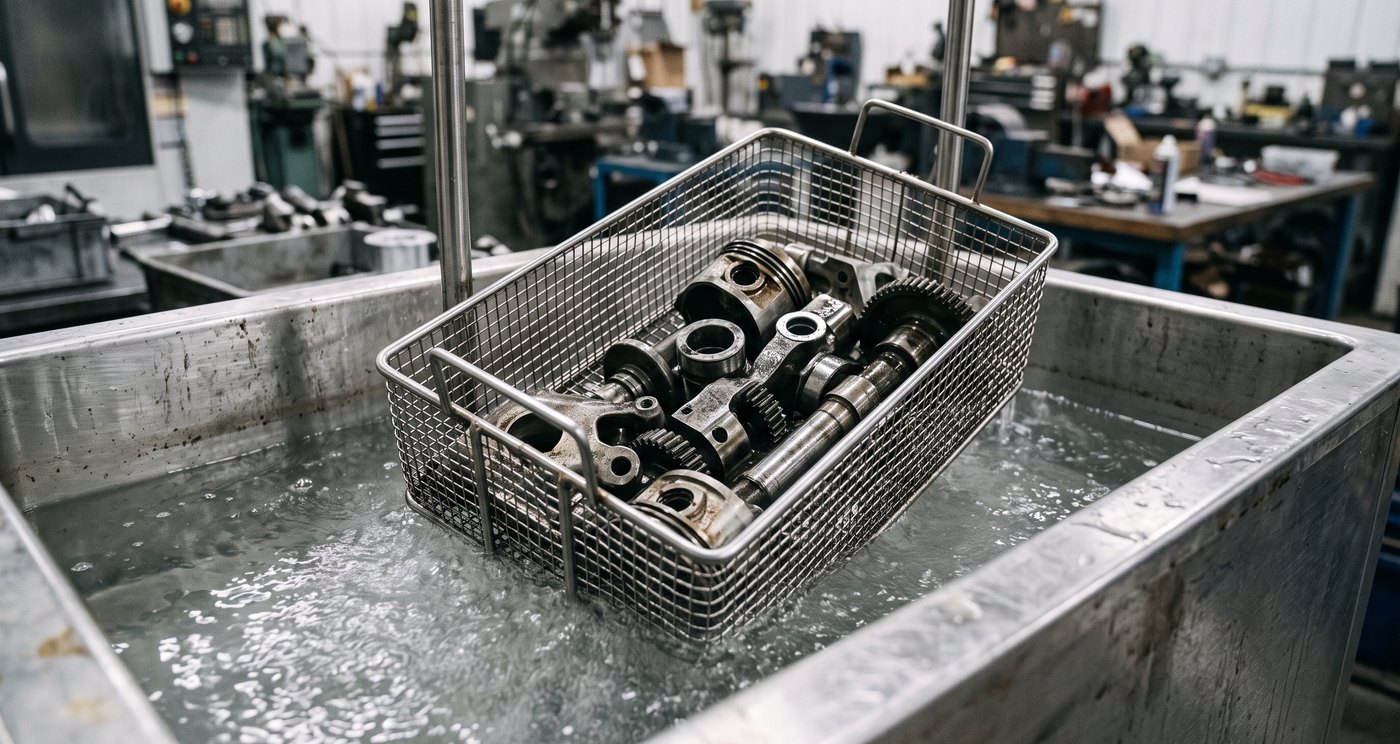
Its home ground is newly manufactured parts: cutting oils and coolants, drawing and lapping pastes, buffing compounds, fluxes and handling soils — the contamination manufacturing puts on, removed before inspection, coating or assembly. Duration typically 3–10 minutes at 60–66 °C.
Doing MRO and rebuild work — service carbon, baked greases, the soils an operating life bakes on? That is heavier duty than GD is built for: its sibling 815 QR-NF carries the same substrate safety with heavy-duty strength, and it is the better pick. Right tool, same family, same paperwork culture.
Foaming tendency is moderate-to-high: run inside the window, degas after make-up, and keep recirculation returns below the surface.
One drum, four working strengths
| General precision cleaning | 7–30%, typically 10% |
| LOX / breathable oxygen service | 7–12% — per NASA oxygen-service cleaning procedures |
| Metal finishing | 7–25% ahead of plate, anodise and bond |
| Repair & overhaul | 7–30% — the MRO workhorse setting |
Rinse to duty as well: <50 µS ultra-clean · <500 µS precision · heated rinse where the OEM spec requires. Keep parts wet between stages to avoid spotting.
Two siblings, one decision
AquaVantage 815 GD
Cutting oils & coolants · drawing and lapping pastes · buffing compounds · fluxes · general contamination. Precision cleaning of parts as manufacturing made them.
AquaVantage 815 QR-NF
Service carbon · baked greases · tenacious operating soils. Heavy-duty strength, same substrate safety — proven in our 70 °C piston ring-groove work.
View 815 QR-NF →Qualified for oxygen service
Cleaning for LOX and breathable-oxygen systems is the least forgiving specification in industry — hydrocarbon residue in an oxygen circuit is an ignition source. 815 GD is used under NASA procedures for cleaning of systems and equipment for oxygen service, at the dedicated 7–12% dilution, with verification to your specified test method. If you maintain breathing-air, diving, medical-gas or aerospace oxygen hardware, this is the bath.
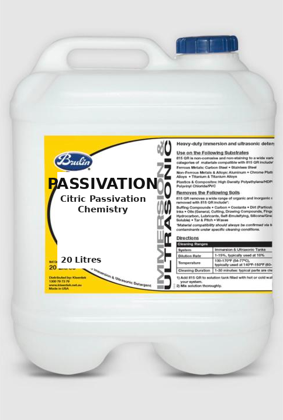 AquaVantage PassivationRestore stainless corrosion resistance after cleaning — AMS 2700 / ASTM A967View & buy →
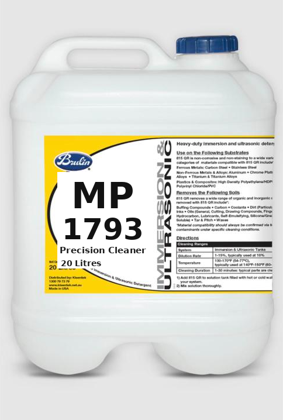 Brulin MP 1793Qualified manual wipe steps — bulk & pre-saturated wipesView & buy →
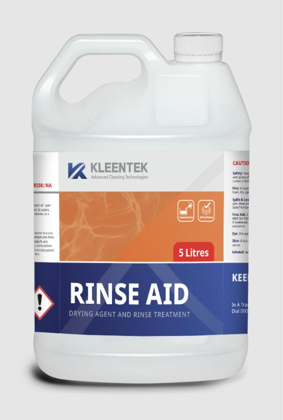 Rinse AidSpot-free final rinse — protects the water-break-free finishView & buy →
| Steels & stainless | Safe |
| Aluminium · titanium | Safe |
| Magnesium & alloys | Safe — rare in this class |
| Cd · Cr · Ni plating | Safe |
| Acrylics · HDPE · PP · PVC · NBR | Safe |
| Glass · painted surfaces | Safe |
| Copper & alloys | Minor discolouration possible |