Flux residue is not a cosmetic issue: ionic residues absorb moisture, grow dendrites and short circuits weeks after the board shipped. This application study documents the ultrasonic PCB cleaning process — parameters, chemistry and the IPC cleanliness verification that makes it a production standard.
The contamination
Ionic flux residues
The critical one: hygroscopic activator residues create electrolytic paths between conductors — electrochemical migration, dendrite growth, field failure. Removal is a reliability requirement.
Rosin and no-clean residues
Sticky films that trap dust, interfere with conformal coating adhesion and obscure inspection under dense components where nothing sprays clean.
Solder balls and particulate
Loose conductive debris under BGAs and connectors — dislodged and flushed by cavitation, unreachable by any line-of-sight wash.
The process
| Parameter | Value |
|---|---|
| Frequency | 40 kHz with sweep — the electronics standard |
| Temperature | 40–55 °C |
| Chemistry | Electro electronics-safe aqueous detergent |
| Cycle | 5–20 minutes depending on flux type and density |
| Verification | Ionic cleanliness to IPC limit < 6 µg/in² NaCl-equivalent; visual to IPC-A-610 |
| Exclusions | Unsealed relays, some MEMS and open transducers — screened per BOM before cycle |
Before and after
The results
Hardware and chemistry
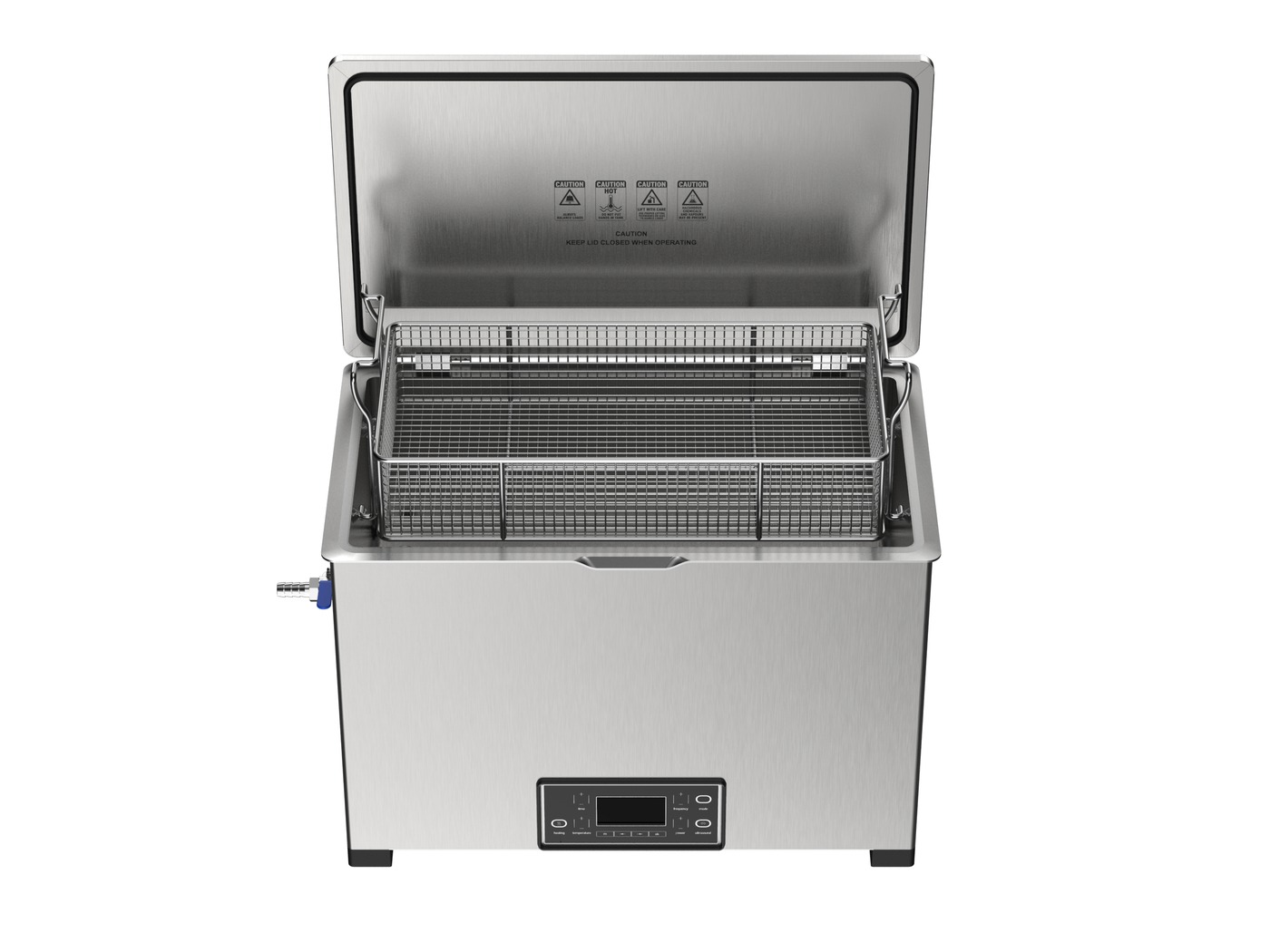
Misonics MSX range
Bench ultrasonics with the power control and sweep electronics-grade work demands — from repair bench to production cell.
Ask about electronics configurations →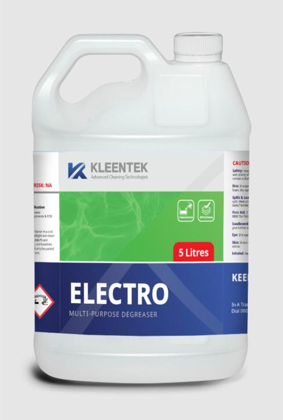
Electro
The electronics-safe aqueous detergent in the Misonics range — flux removal without attacking markings, metallisation or components.
View the product, SDS and TDS →