BLT transducers — single frequency
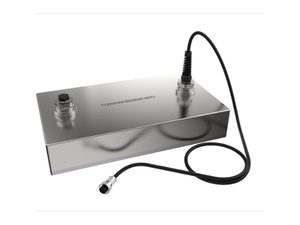
A bolt-clamped Langevin transducer is the piece that actually makes the sound: a piezo stack clamped between a metal front mass and back mass, tuned to one frequency. It is what sits inside an immersible box or bonds to a transducer plate.
Each element is tuned to one note. An element that has to run a coarse pass and a fine pass is a dual-frequency element.
We sell them as elements — for building plates, for OEM machines, and for repairing a tank whose bonded array has gone deaf rather than scrapping the vessel.
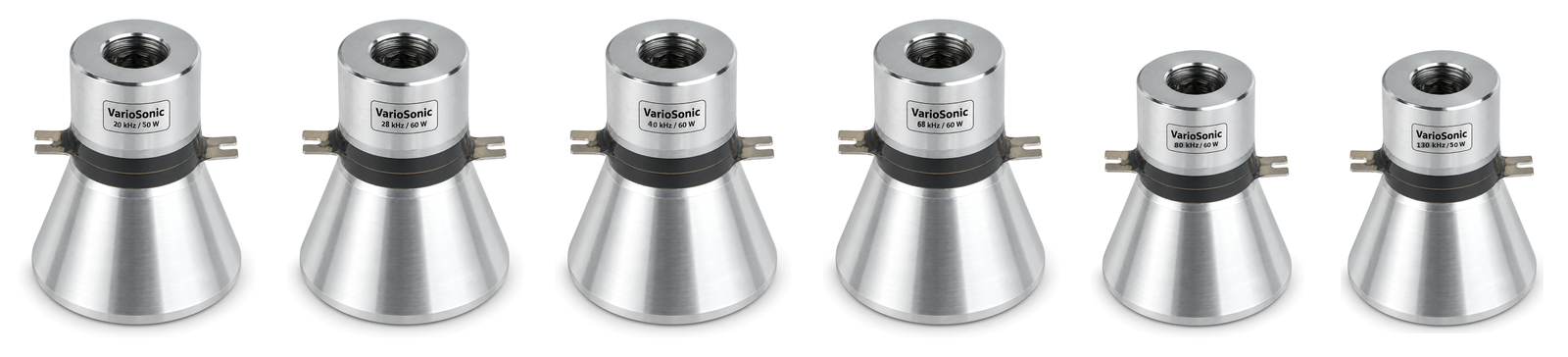
Frequency by frequency
Frequency is chosen by the deposit and by what the substrate will take — 20 kHz for the heaviest work on robust steel, 28 kHz for scale and hard carbon, 40 kHz for general engineering, 68 kHz where the finish matters, 80 and 130 kHz where it barely matters at all. Power is the rating of one element; a plate or box carries several. Elements are not held in stock — they are supplied against a firm order, with the lead time advised at quotation.
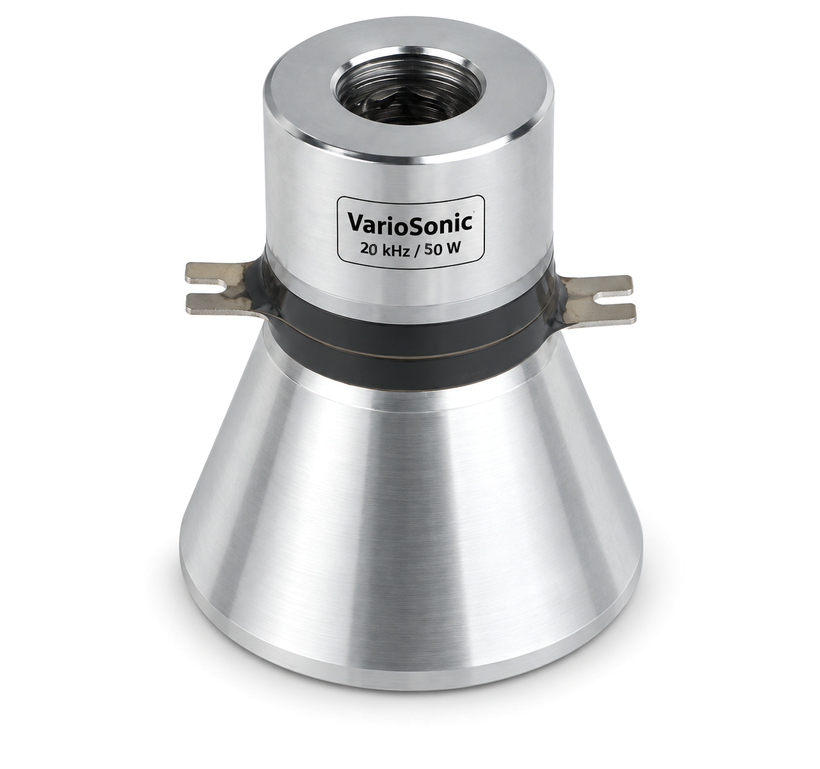 50 W · 20 kHzThe heaviest work — thick scale and heavy carbon on robust steel. Also made at 100 W.Enquire →
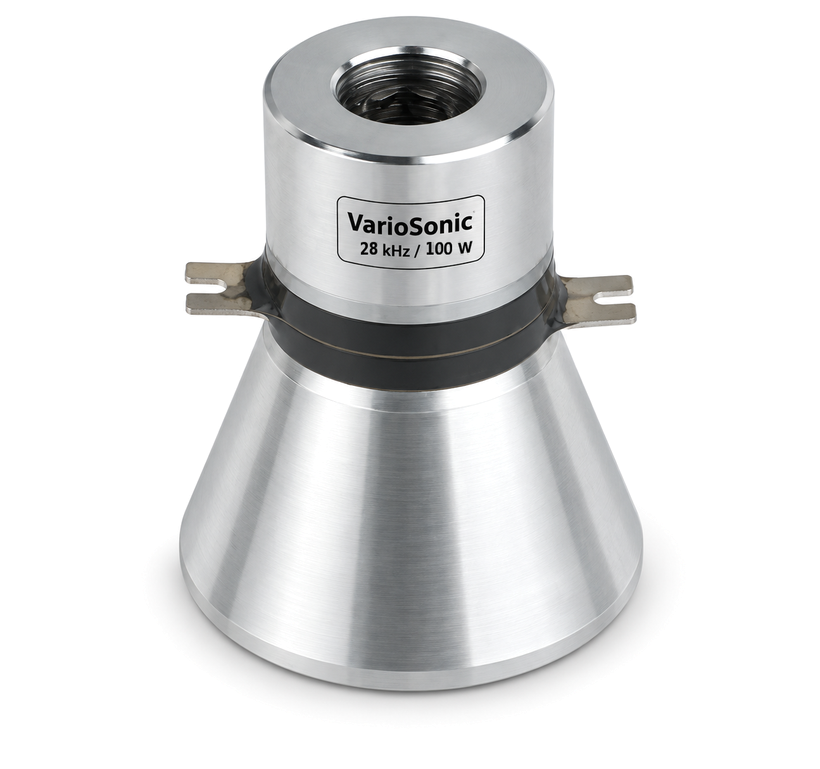 100 W · 28 kHzThe heavy element — scale, hard carbon and weld deposit.Enquire →
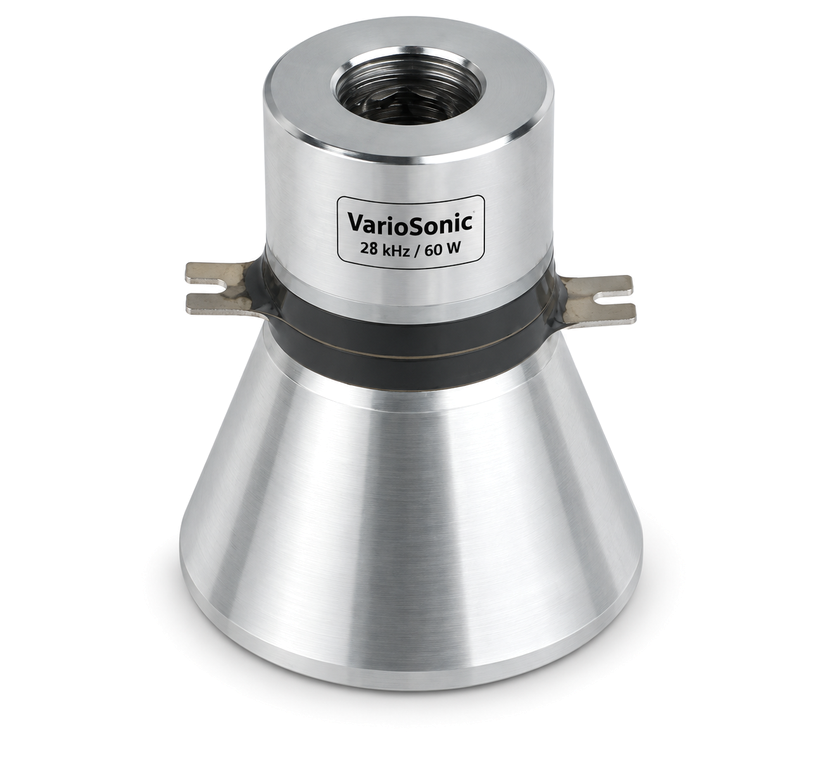 60 W · 28 kHz28 kHz at lower power, for smaller plates and tighter packing.Enquire →
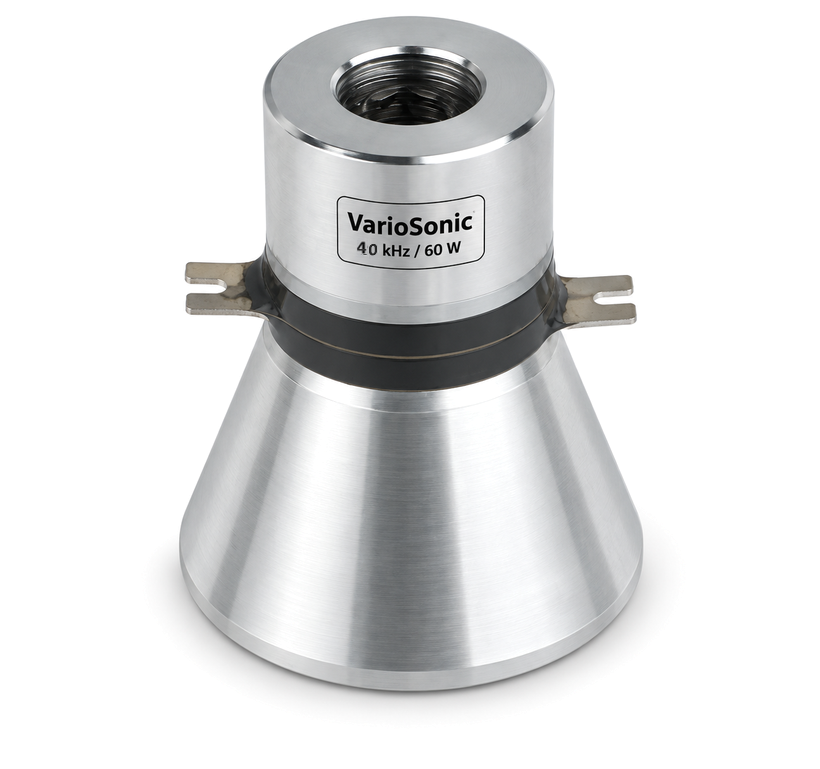 60 W · 40 kHzGeneral engineering work and a better surface finish.Enquire →
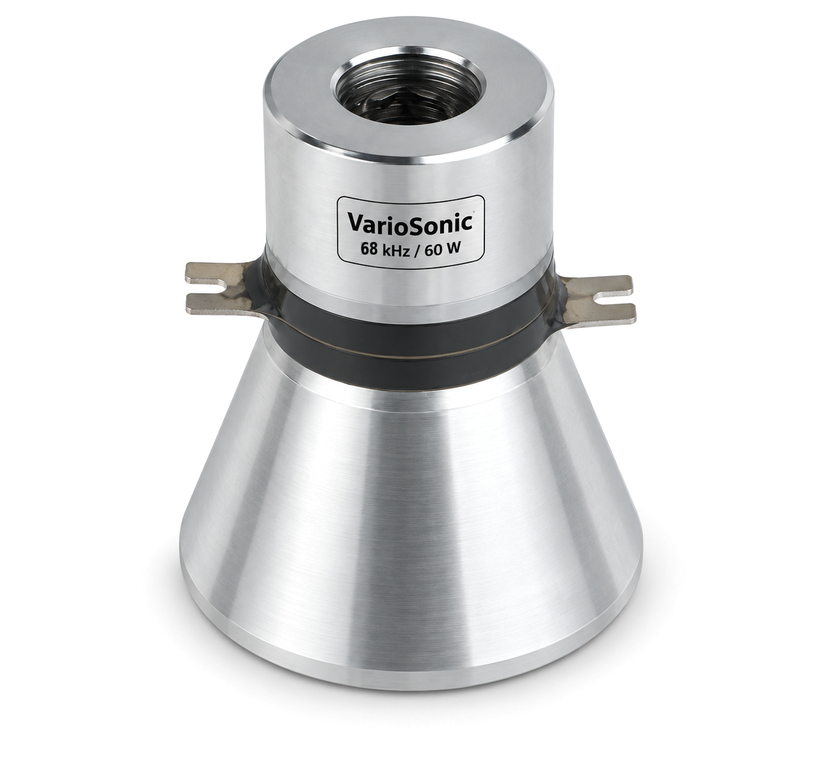 60 W · 68 kHzFine and precision work where the substrate will not take a heavy band.Enquire →
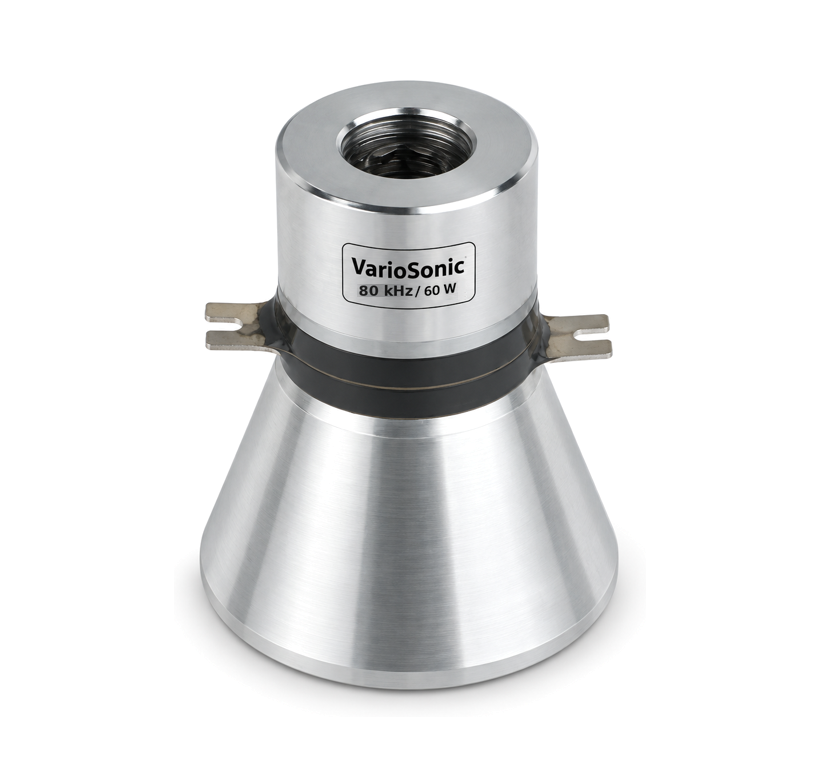 60 W · 80 kHzFine particulate off plated, polished and delicate surfaces. 60 W per element; dimensions confirmed at quotation.Enquire →
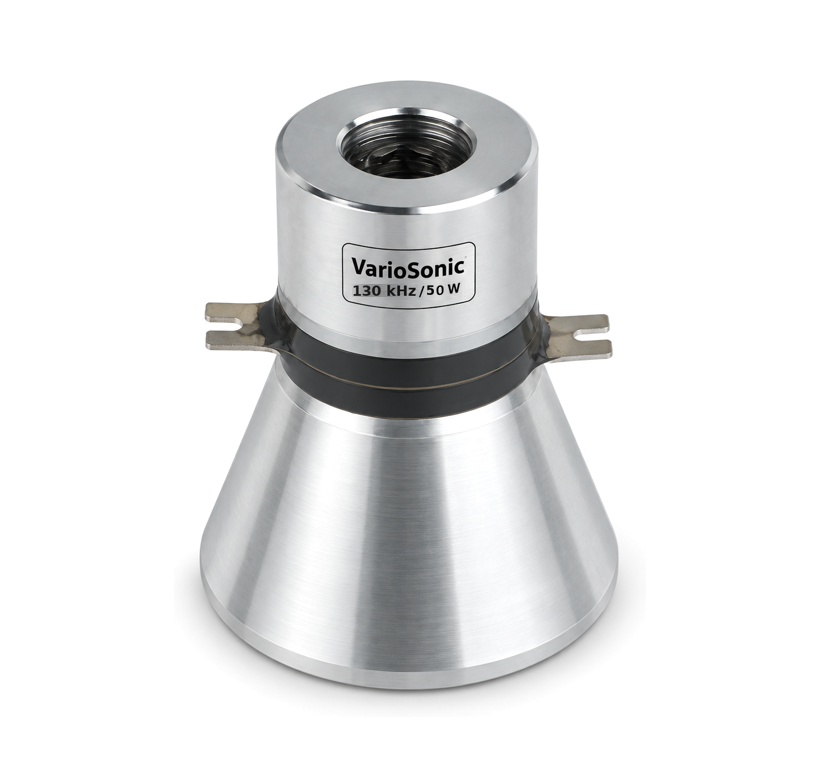 50 W · 130 kHzThe gentlest band we supply — sub-micron particulate, optics and coated surfaces. 60 W per element; dimensions confirmed at quotation.Enquire →
Element count, spacing and bonding are specified against the plate or the vessel. Dimensions and mounting detail are confirmed at quotation.
By part number
| Part number | Frequency | Power | What it is for |
|---|---|---|---|
| MS300-20kHz-50W | 20 kHz | 50 W | The heaviest work — thick scale and heavy carbon on robust steel |
| MS300-20kHz-100W | 20 kHz | 100 W | 20 kHz at full power, for the largest plates |
| MS300-28kHz-100W | 28 kHz | 100 W | The heavy element — scale, hard carbon and weld deposit |
| MS300-28kHz-60W | 28 kHz | 60 W | 28 kHz at lower power, for smaller plates and tighter packing |
| MS300-40kHz-60W | 40 kHz | 60 W | General engineering work and a better surface finish |
| MS300-68kHz-60W | 68 kHz | 60 W | Fine and precision work, where the substrate will not take a heavy band |
| MS300-80kHz-60W | 80 kHz | 60 W | Fine particulate off plated, polished and delicate surfaces |
| MS300-130kHz-50W | 130 kHz | 50 W | Sub-micron particulate, optics and coated surfaces |
All of these are bolt-clamped Langevin elements: a piezo stack clamped between a front and back mass, tuned to one frequency. Power is the rating of a single element — a plate or an immersible box carries several, and the total is set by the tank. Dimensions, stud thread and cable length are confirmed at quotation against the plate or vessel they are going into.
None of these is held in stock. Every element is supplied against a firm order, with the lead time advised at quotation. Dimensions, stud thread and cable length are set when the element is specified against the plate or vessel it is going into. Other frequencies and powers exist in each band and can be sourced the same way.
Need one element to run a coarse pass and a fine pass in the same tank? That is a dual-frequency element — 25/45, 28/68, 40/80, 40/130 and 80/130 kHz.
Replacing transducers in a tank you already own? Read this firstOpen
Elements are sold on their own. Building a plate, specifying an OEM machine, or wanting elements and nothing else is a normal order, and there is no requirement to buy a generator with them.
Re-elementing an array you already own is the case that needs care. When an immersible box or a bonded array has gone deaf, replace the whole block rather than the one element that failed. Transducers age together — output falls away, the resonant point drifts and the impedance climbs. Put one new element into an aged set and the drive cannot tune to both: it hunts, the new element takes more than its share of the power, and it fails early. Where the generator is the same age as the block it was tuned for, budget for both. Tell us what is in the tank now and roughly when it went in, and we will tell you which half actually needs replacing before you spend anything.
What drives them
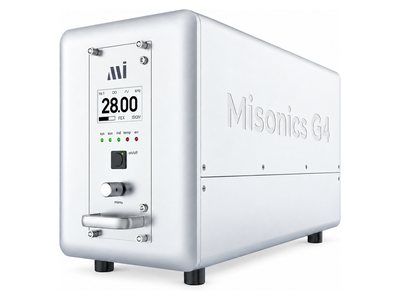
BLT elements run on the multi-frequency VarioSonic G4 — the same generator that drives our immersible boxes. They do not run on the rod-resonator SonoDrive G5, and a rod does not run on a G4.
Matching the drive to the array
A generator is tuned to the array it drives, not to a frequency on a label. What has to line up: the frequency the generator tracks, the total capacitance of the array wired to it, the impedance and phase that array presents once it is in the liquid, and the voltage across the group under load. Where we supply a complete system we specify those against each other and commission the two as one. Elements bought on their own are a different thing and a normal order — the matching is then yours or your builder’s to get right, and we will tell you what the elements need.
What goes wrong when they are not matched
A new generator will not rescue an old set. Transducers age — output falls away, the resonant point drifts and the impedance climbs — so an older array is no longer the load a new drive was tuned for. A set of mixed ages is worse again: the weakest element pulls the rest off tune and the drive spends its power hunting for a resonance that has moved. What you get is a generator running hot or dropping out, a bath cleaning unevenly, and transducers failing earlier than they should — and from the outside there is no way to tell which end is at fault, so you end up replacing both anyway.
What we can and cannot stand behind. Where we supply the generator and the transducers together, they are matched and commissioned as a system and warranted as one. Elements supplied on their own go onto a drive we have not characterised, so we cannot warrant what the tank will do with them. That is the limit of what we can know, not a refusal to sell. Tell us what the drive is and roughly when it went in, and we will say where you stand before you spend anything.
Enquire about BLT elements
Tell us the frequency and power you need, how many elements, and what they are going into — a plate you are building, an OEM machine, or a repair. If it is a repair, say what the tank is and how it failed.