CNC machining centre cutting metal, chips on the bed
Industries / Manufacturing & Process / Manufacturing
Industries · Manufacturing & Process

Ultrasonic Cleaning for Manufacturing

In-process cleanliness decides the quality of the next operation: coating adhesion, weld integrity, assembly fits and inspection results all inherit whatever the cleaning step left behind.

Misonics systems slot into production — manual cells to automated lines — delivering repeatable cleanliness at takt, with chemistry matched to your soils and substrates.
The Contamination Problem

What we remove in manufacturing

Machining oils & coolants

Films and emulsions on every machined surface, concentrated in blind features.

Swarf & fines

Chips and abrasive particles lodged in threads, drillings and pockets.

Lapping & polishing compounds

Embedded pastes ahead of plating or coating.

Drawing & forming lubricants

On pressed and formed components before finishing.

Handling soils

Fingerprints and shop dust ahead of clean assembly.

The endpoint is a defined, repeatable process condition — cycle time, chemistry, concentration, frequency and temperature are recorded parameters, not operator judgement.
Trial Evidence

Production tooling, before and after

Machine modules and tooling from working plant, photographed as received and after a documented cycle. Drag the handle across to compare.

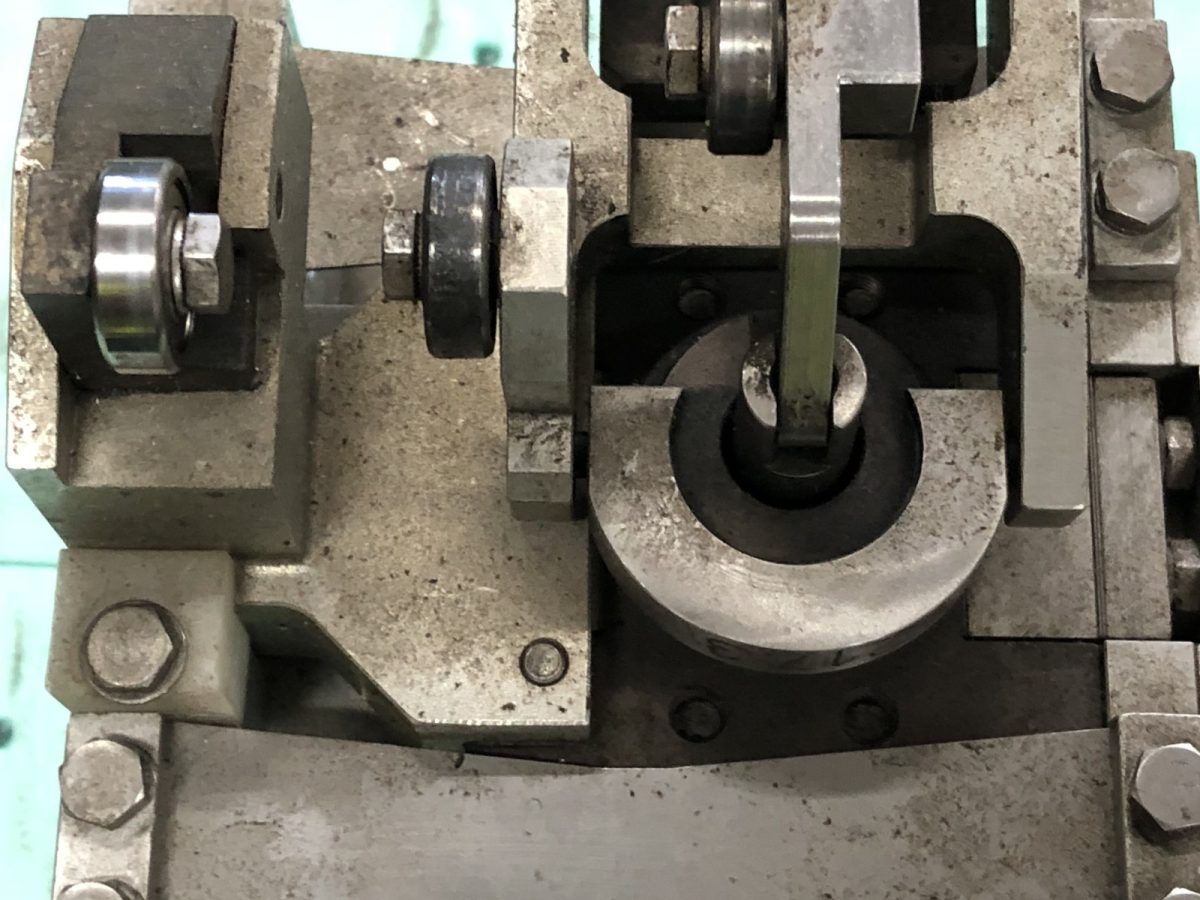
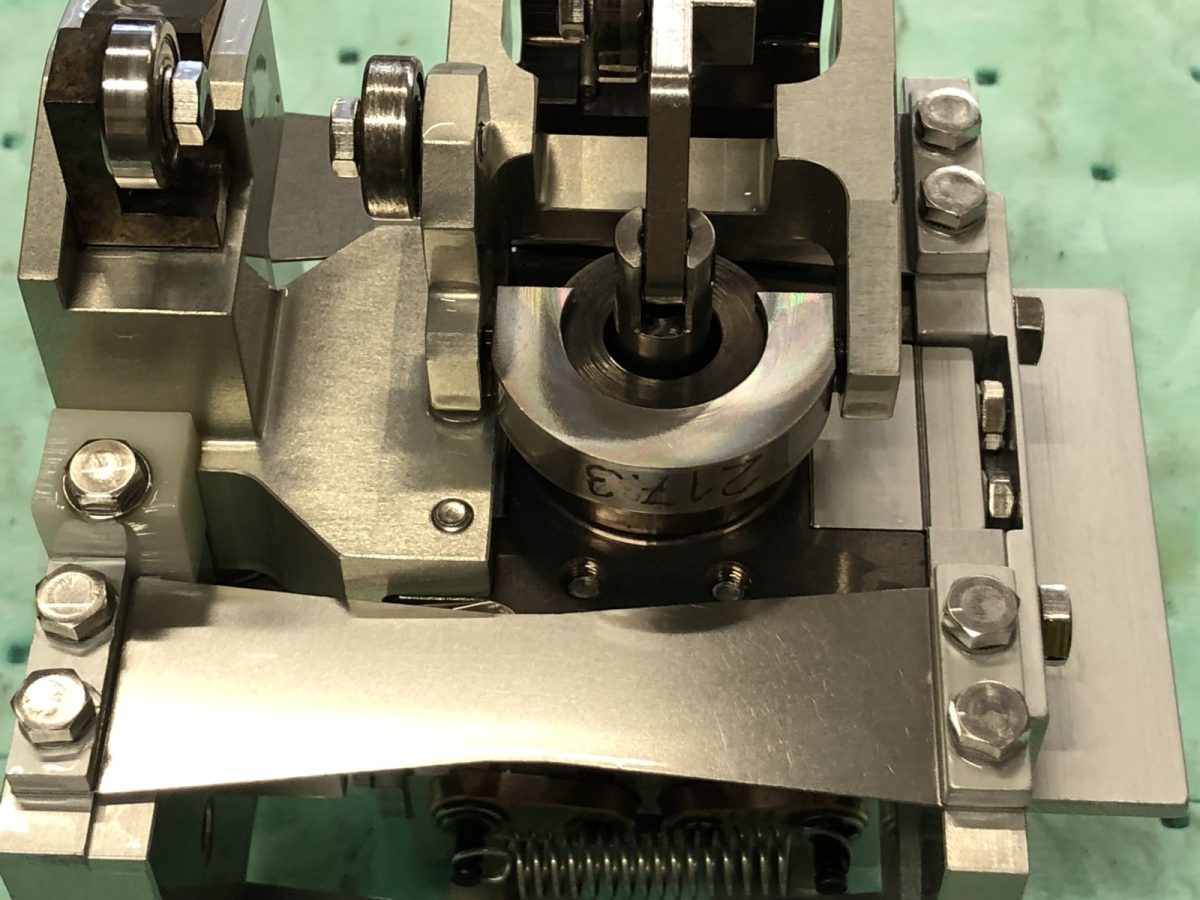
Knitting machine cam module. Lint, wax and oil packed into a module full of springs, cams and fasteners — the geometry that makes hand cleaning hopeless is exactly what cavitation is for.

Same trials, photographed separately

Cam and plate detail — before and after ultrasonic cleaning — as received
As received
Cam and plate detail — before and after ultrasonic cleaning — after the cycle
After cycle

Cam and plate detail. The working faces that set stitch quality, clean without dismantling the module.

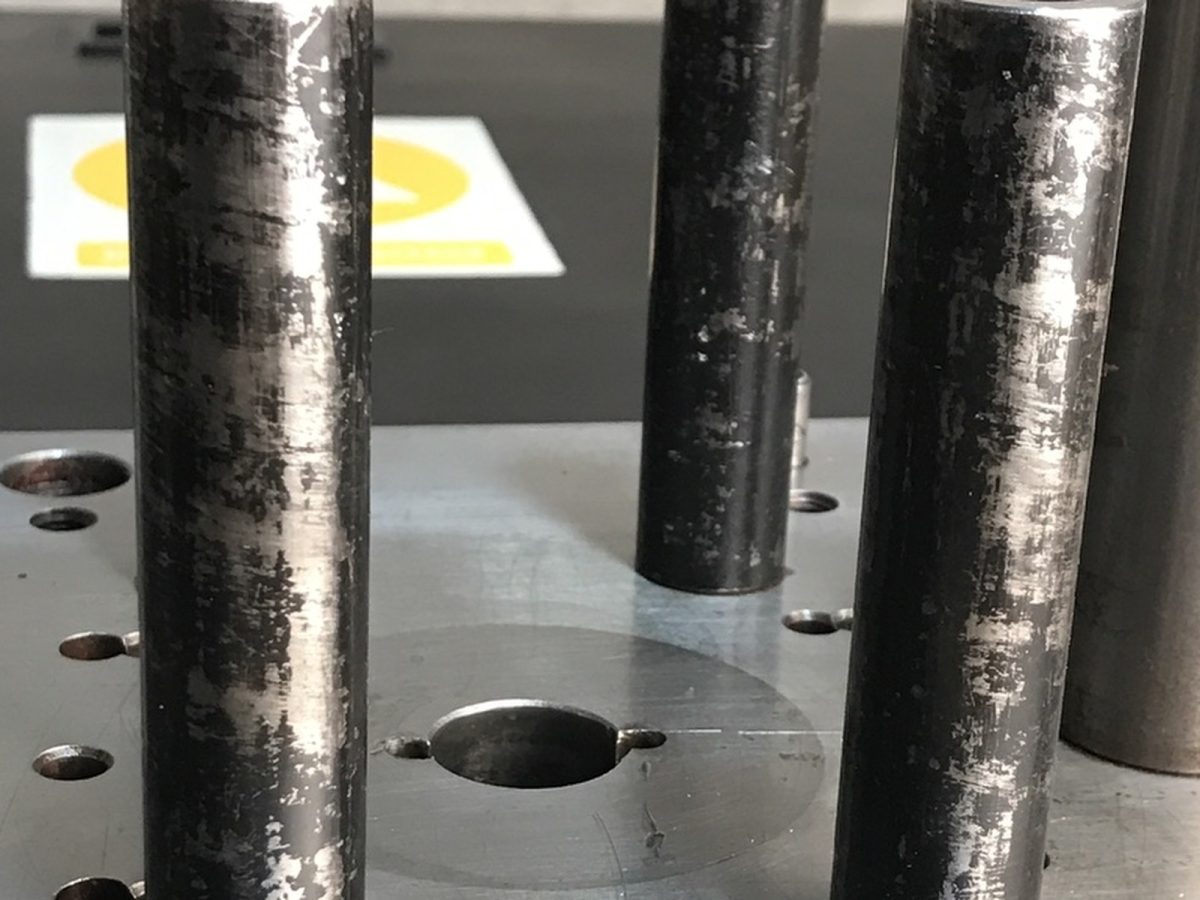
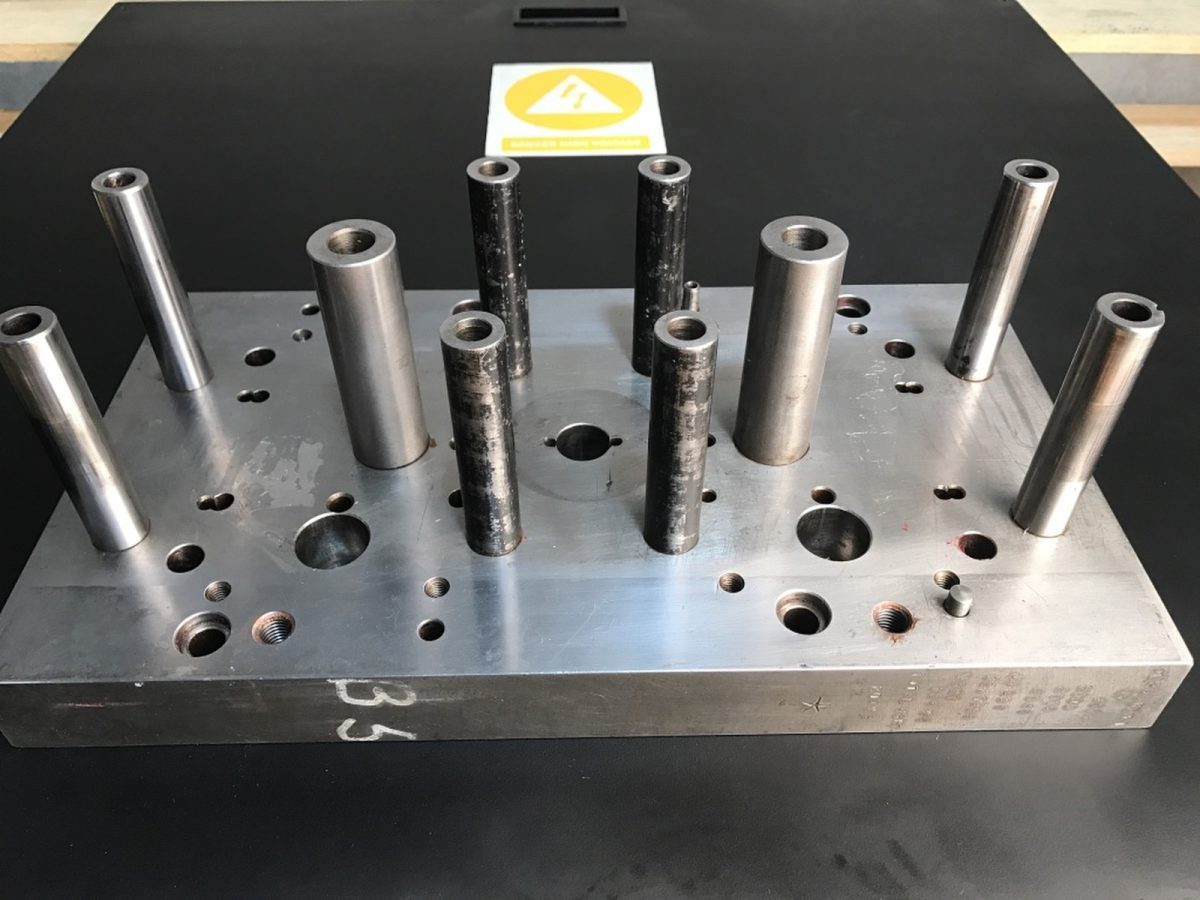
Ejector pins in a die plate — before and after ultrasonic cleaning — as received
As received
Ejector pins in a die plate — before and after ultrasonic cleaning — after the cycle
After cycle

Ejector pins in a die plate. Pins and plate cleaned together, in place.

Components We Clean

Real parts, real materials

Machined components

Turned, milled and drilled parts — oils and swarf out of features ahead of the next operation.

ThreadsDrillingsPockets

Pressed & formed

Stampings and formed parts — drawing lubricants off before welding or coating.

StampingsBracketsHousings

Pre-finishing

Components ahead of plating, painting, anodising or bonding — where cleanliness is adhesion.

Pre-platePre-paintPre-bond
Why Ultrasonics — And Why These Machines

Cavitation cleans geometry it cannot see

Bubble collapse at the liquid–metal boundary lifts contamination from passages, galleries and cavities without anything touching the surface. Nothing abrades, nothing embeds, no metal is removed.

GeneratorResonance held all shift

The VarioSonic G5 tracks the transducer array as temperature and load shift — conversion efficiency up to 95%.

Sound fieldSweep modulation

Eliminates standing-wave hot and cold zones across a loaded basket.

Process controlLogged, recipe-driven cycles

Stored recipes and logged cycles — audit evidence produced as a by-product of running.

Bath conditionFiltration & oil separation

Multi-stage filtration and weir oil capture hold results steady as the bath loads.

SupportOver-the-air diagnostics

Most faults identified — many resolved — without a site visit.

ConstructionBuilt to work hard

Heavy 316 stainless tanks, tested before despatch, every wearing part replaceable.

Equipment Fit

The machine follows the process

From manually loaded single-tank units to automated lines — and engineered systems where the catalogue ends.

MSX

Cell-level cleaning beside the machines.

Explore the range →

SonoLine

Automated multi-tank lines at production rhythm.

Explore the range →

UltraWash

Sealed multi-stage where drying and spot-free matter.

Explore the range →
Chemistry

Matched to the soil and the substrate

General manufacturing runs on toll-manufactured alkaline formulations matched to oil and alloy — low-foam for ultrasonic use, with filtration holding bath life through production volume.

Applications Matrix

Component coverage at a glance

Component categorySpecific parts / assembliesCompatible materials
MachinedShafts, housings, fittingsSteels, aluminium, brass
FormedStampings, pressingsSteels, coated sheet
FastenersBolts, inserts, turned partsSteels, stainless
CastingsDie and sand castingsAluminium, zinc, iron
Pre-finishComponents ahead of coatingAll common alloys
AssemblySub-assemblies, hardwareMixed materials

Prove it on your parts

Where an application needs validation, we clean sample components in our laboratory, document the result, and specify the machine around the verified process. If ultrasonics is the wrong answer, the trial shows that too, and we will tell you.

Talk to an engineer
FAQ

What manufacturing engineers ask us

Can cleaning keep up with production?
Lines are sized to takt — basket cycles in minutes, automated transfer, and the trial establishes real numbers.
Does it replace vapour degreasing?
For most soils yes — aqueous ultrasonic cleaning with correct chemistry matches solvent results without the exposure and compliance burden.
How do we know parts are clean enough to coat?
Define the endpoint — water-break, contact angle or your coater's spec — and the trial proves it.
What about rust between cleaning and coating?
Inhibited final stages provide short-term protection; longer holds take a dedicated corrosion-protection stage.
Related Industries · Manufacturing & Process

Also in this sector