Home / MSX Benchtop / Applications
Application · mechanical workshops · mowers & outdoor power · tool rooms

Retire the solvent bucket

Every workshop has the bucket, the brush and the hour of knuckle work per carby. The bench ultrasonic replaces all three: parts in, chemistry on, ten minutes later the passages are clean — including the ones you cannot see.

See the machinesRent the MSX 30 — $63/week
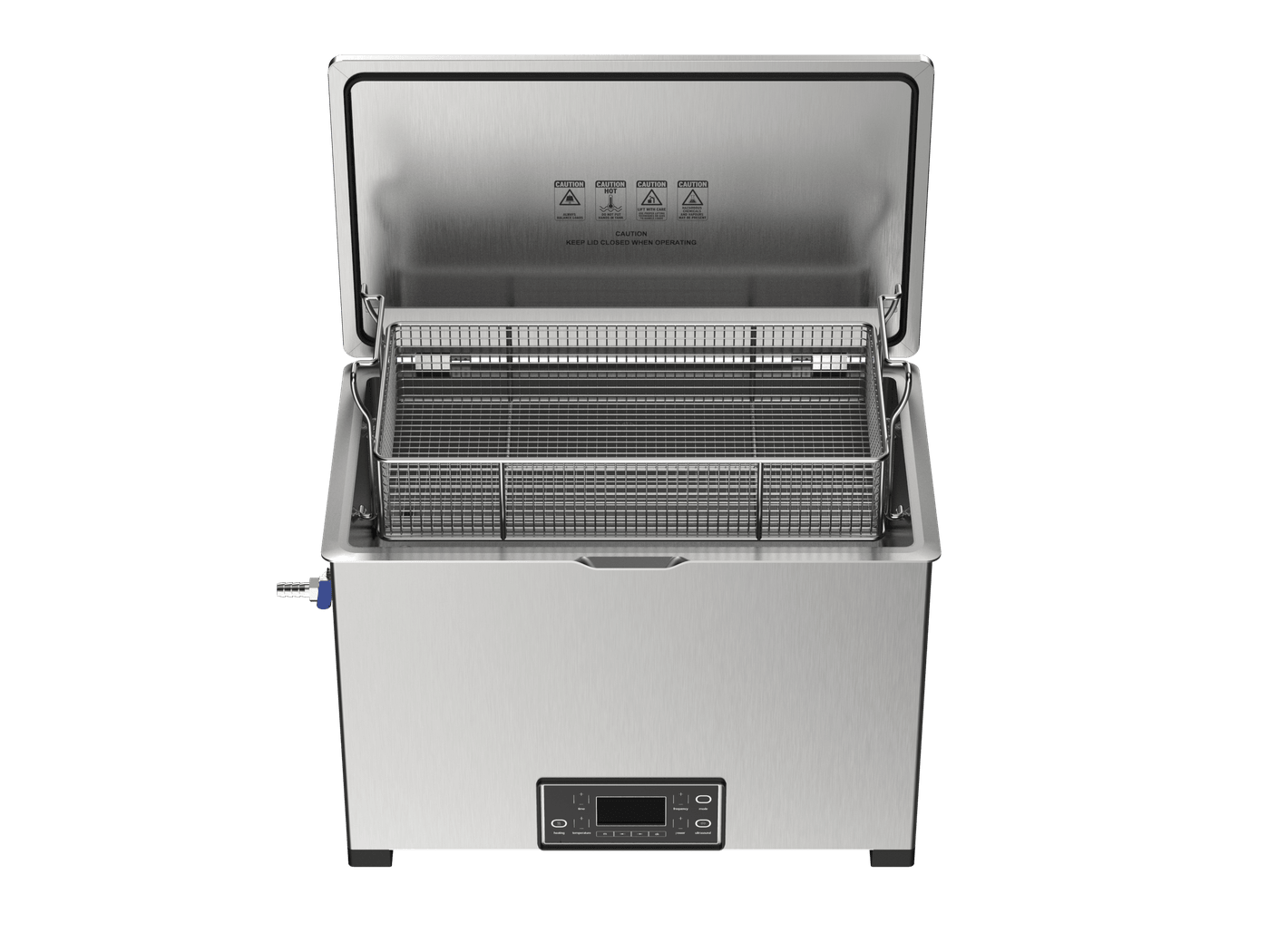
Misonics MSX 30 benchtop ultrasonic cleaner in a workshop

The workshop cycle

Scrape the worst, basket the rest

Knock heavy sludge off first — the tank is a precision cleaner, not a dumping ground (our process blog explains why this one habit doubles bath life).

Ultrasonic clean

Hot degreasing chemistry, Med–High power, 10–15 minutes: carbs, injectors, small engine parts — jets, galleries and emulsion tubes cleared from the inside.

Rinse & protect

Rinse, then inhibitor on ferrous parts — bare cleaned steel flash rusts the same afternoon in workshop humidity.

Dry & rebuild

Blow dry, rebuild with clean hands on clean parts — the rebuild that actually holds tune.

What goes in the basket

Carburettors (stripped)Injectors & throttle bodiesSmall engine partsChain & sprocketsTooling & colletsFasteners in batchesBrake hardwareBearings (housings)

Why workshops convert

The passages, not just the faces

A carby that looks clean and still idles rough has dirty drillings. Cavitation cleans the jets and galleries from inside — the difference between cleaned and rebuilt-right.

An hour becomes ten minutes

Unattended machine minutes versus billable knuckle time — the machine pays for itself in the first month of carby season.

Off the solvent

Aqueous chemistry in a lidded tank instead of an open solvent bucket: better air, better skin, better WHS conversation.

The machines workshops buy

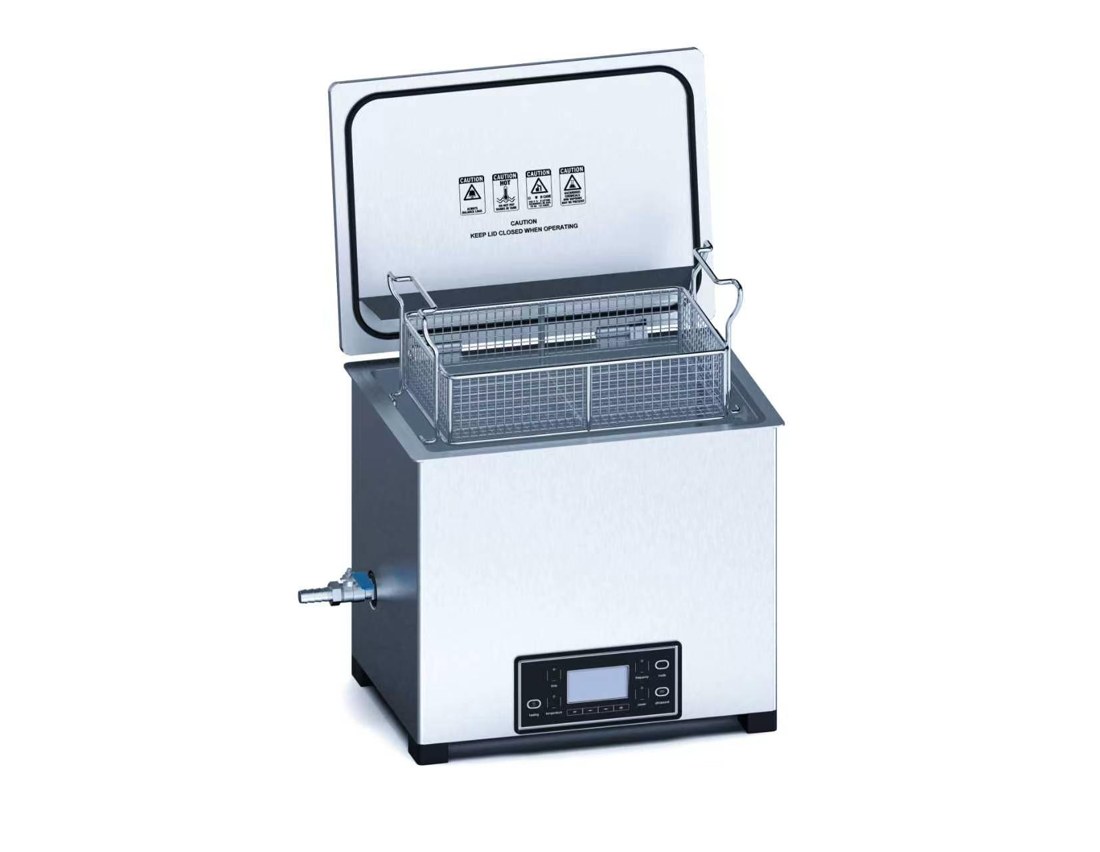
Misonics MSX 15

MSX 15

Price on enquiry

Injectors, single carbs and daily trays — SS316 tank, recipes, 8 kg basket.

View, buy or rent →
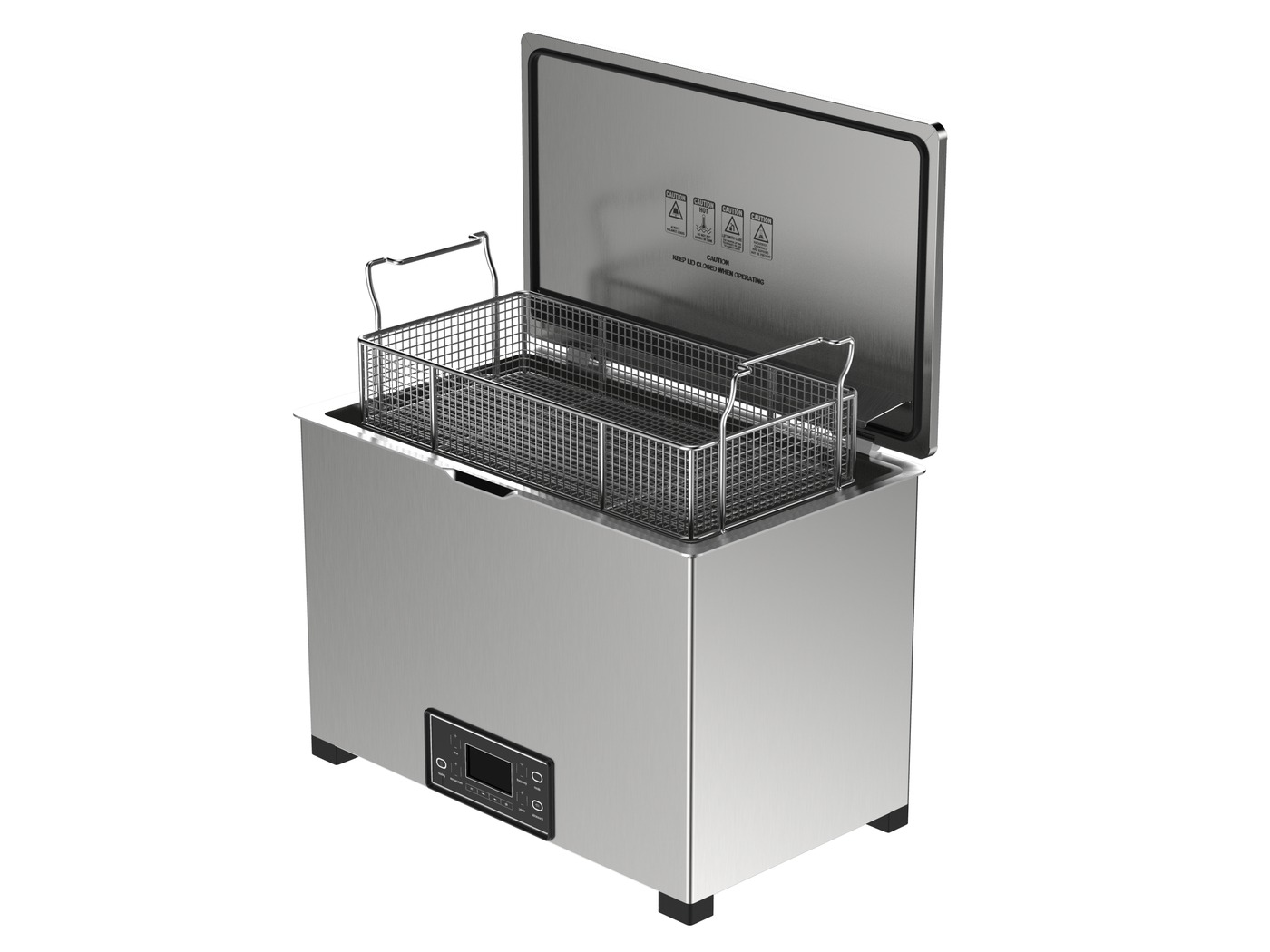
Misonics MSX 30

Outgrowing the bench entirely? The MSX floor-standing range carries the same platform to 240 litres, with factory oil management on the big tanks.

Typical starting cycle — refined in your first week

ChemistryFX Degreaser at 5% · carbon jobs step up the range
Temperature60–70 °C
PowerMedium–High
Time10–15 minutes
ThenRinse · anti-rust on ferrous · dry

Starting points only — part condition, chemistry and load set the final card. We help you dial it in.

Questions from this trade

Asked every week

Will it clean a gummed-up carburettor?
That is the signature job: varnish and gum out of jets, emulsion tubes and galleries in one hot cycle. Strip it first — cavitation cleans what solution touches, so open the passages to the bath.
Aluminium safe?
Yes with the right chemistry — use the aluminium-safe degreaser settings we pair with the machine, not caustic soda folklore. Bright, not etched.
Can I just use water and dish soap?
You can, and you will conclude ultrasonics is overrated. Proper degreasing chemistry at temperature is half the result — it costs cents per litre diluted.
Why do parts rust straight after cleaning?
Because they are genuinely clean — bare steel with no oil film flash rusts in hours. Rinse then inhibitor dip; the process blog covers it, the anti-rust bottle solves it.
What size do I buy?
Measure your biggest regular part against the basket sizes — a stripped twin-carb bank needs the 620's 440 mm; most single carbs and injector sets live happily in the 610.
Prove it on your own kit

Send us a tray of your worst — we clean it, photograph it and send back the result with the machine and cycle that did it.

See the MSX benchtop rangeRent the MSX 30 — $63/week