
Power Plant Component Cleaning, Ultrasonic
Generation and water infrastructure lives or dies on heat transfer and flow. Scale, fly ash, biofilm and fouling steal efficiency percentage by percentage — and the components that matter are exactly the ones that cannot be abrasively cleaned.
Misonics systems restore exchanger, turbine and treatment-plant components to specification with documented cycles, in tanks sized from workshop hardware to full bundles.
What we remove in energy & power generation
Mineral scale
Calcium and magnesium hardness scale on boiler tubes, exchangers and water-side hardware.
Carbon & fly ash
Combustion residues on turbine and boiler components.
Biofilm & biofouling
Organic films on water-treatment and cooling-circuit components.
Oil & varnish
Lubricant films and varnish through bearing and governor hardware.
Corrosion products
On critical components ahead of NDT and overhaul inspection.
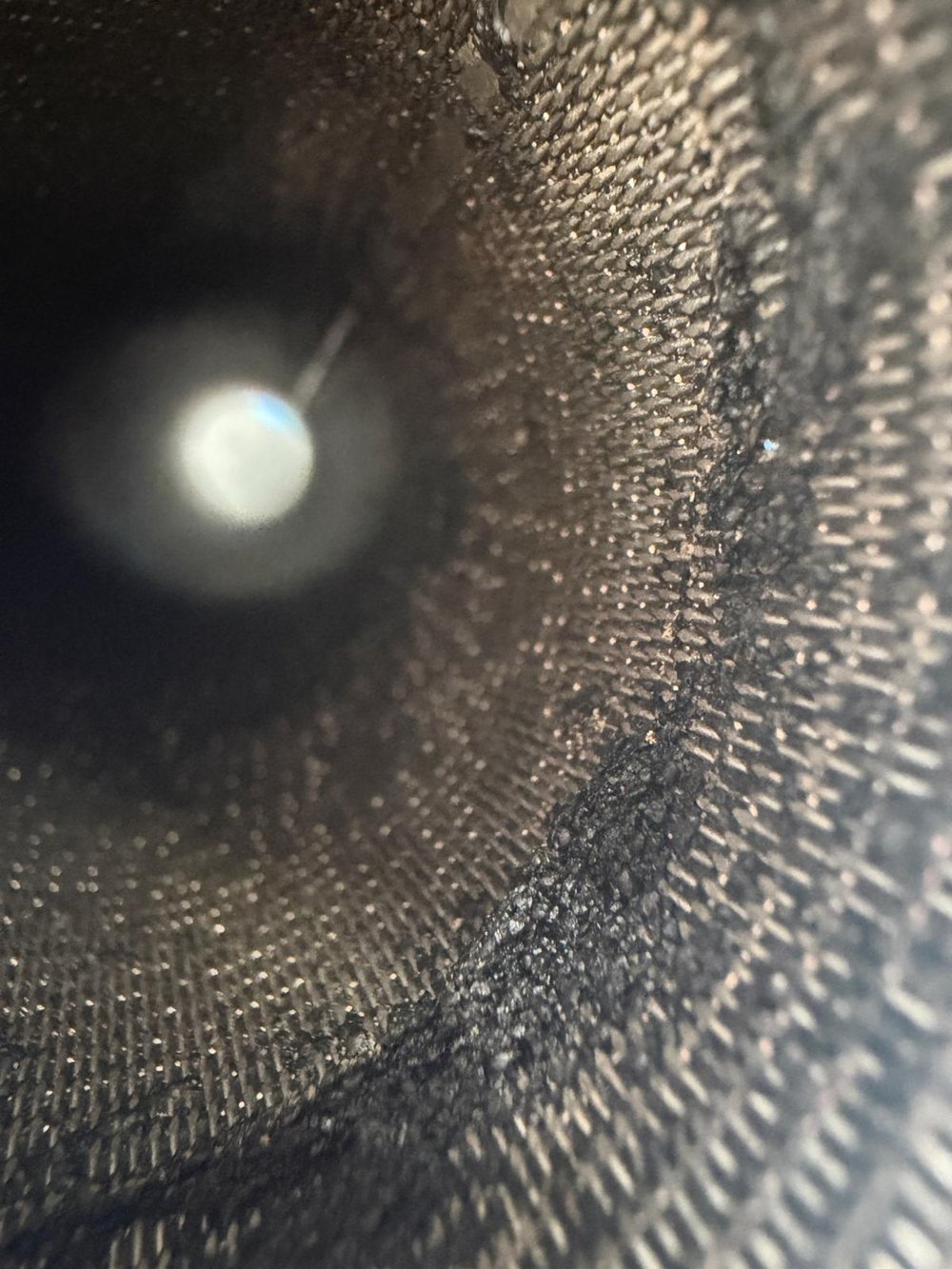
Real parts, real materials
Thermal generation
Boiler hardware, burner components, feedwater and exchanger assemblies on outage schedules.
Rotating plant
Turbine components, pump internals, bearing housings and governor hardware.
Water treatment
Membrane housings, filter hardware, valves and dosing equipment — biofilm off without damage.
Cavitation cleans geometry it cannot see
Bubble collapse at the liquid–metal boundary lifts contamination from passages, galleries and cavities without anything touching the surface. Nothing abrades, nothing embeds, no metal is removed.
The VarioSonic G4 tracks the transducer array as temperature and load shift — conversion efficiency up to 95%.
Eliminates standing-wave hot and cold zones across a loaded basket.
Stored recipes and logged cycles — audit evidence produced as a by-product of running.
Multi-stage filtration and weir oil capture hold results steady as the bath loads.
Most faults identified — many resolved — without a site visit.
Heavy 316 stainless tanks, tested before despatch, every wearing part replaceable.
The machine follows the process
From manually loaded single-tank units to automated lines — and engineered systems where the catalogue ends.
Matched to the soil and the substrate
Scale chemistry differs from hydrocarbon chemistry — inhibited descaling formulations protect the parent metal while the deposit dissolves, and the trial proves the pairing before an outage depends on it.
Component coverage at a glance
| Component category | Specific parts / assemblies | Compatible materials |
|---|---|---|
| Heat transfer | Exchanger bundles, oil coolers, condenser parts | Carbon steel, stainless, titanium, CuNi |
| Boiler | Tubes, burner tips, feedwater hardware | Carbon and alloy steels |
| Turbine | Blades, diaphragms, governor parts | Alloy steels, stainless |
| Water treatment | Membrane and filter housings, valves | Stainless, polymers |
| Electrical | Cabinet hardware, bus components | Copper, plated finishes |
| Pumps | Impellers, casings, seals hardware | Cast iron, bronze, stainless |
What are you cleaning?
Tell us what the part is, what comes off it, and what it has to pass. Technical sales will tell you whether ultrasonics is the right answer for that part and what it takes to run it on your own floor.
What energy engineers ask us
Can cleaning be scheduled inside an outage window?
Does descaling attack the metal?
Can you handle condenser and exchanger bundles?
Is the result documented?
Also in this sector
Mining
Drill heads, hydraulic assemblies, GET and plant components — carbon, grease and mud off heavy metal.
Oil & Gas
Valves, exchanger bundles and downhole tooling — hydrocarbon residues to inspection-ready.
Construction
Plant, hydraulics and formwork hardware — site contamination off structural metal.